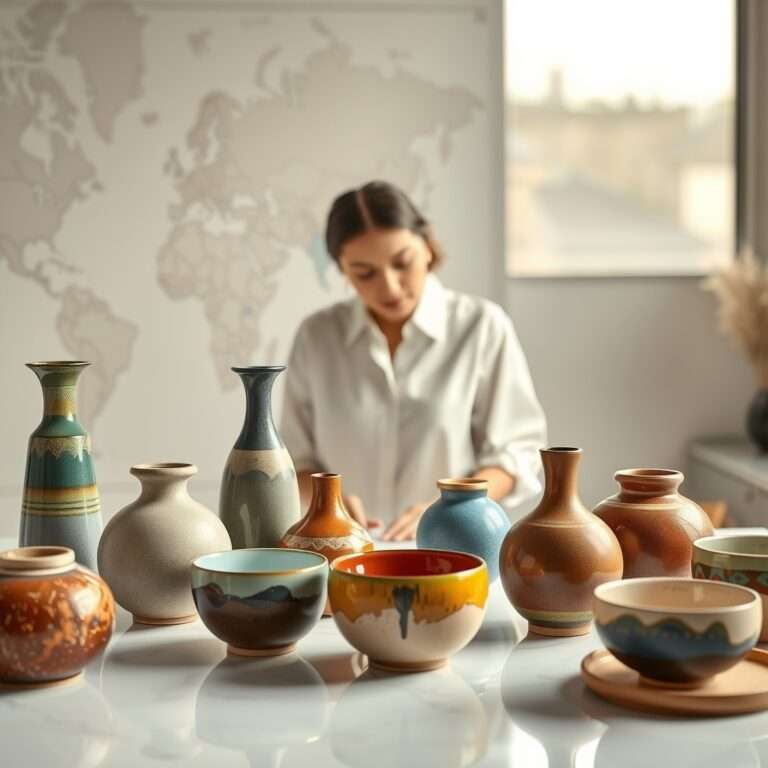
In today’s global marketplace, the allure of handmade ceramics overseas is undeniable. Boutique retailers, interior designers, and e‑commerce brands are all chasing the unique textures, cultural stories, and price advantages that foreign artisans can provide. Yet, the excitement can quickly turn into frustration if you overlook the hidden complexities of cross‑border sourcing. This guide uncovers the five hard‑earned truths that every buyer must understand before committing to an overseas ceramic partnership.
Truth #1: Quality Is Not Guaranteed – You Must Vet Every Artisan
Unlike mass‑produced stoneware, handmade ceramics rely on the skill, experience, and tools of individual potters. When you source handmade ceramics overseas, the variability in kiln temperature control, raw material purity, and finishing techniques can be substantial. A single batch may range from flawless glaze to uneven cracks, and the difference often hinges on the potter’s training and the workshop’s quality control processes.
To protect your brand, develop a rigorous vetting system that includes:
- Reviewing the artisan’s portfolio and past client references.
- Requesting sample pieces that represent the full range of finishes you plan to sell.
- Conducting on‑site inspections or hiring a third‑party audit firm.
- Verifying that the workshop follows industry standards for safety and environmental compliance.
These steps help you transform the unknown into a measurable risk, ensuring that the final product aligns with your brand promise.
Assessing Craftsmanship
When evaluating craftsmanship, focus on three key indicators: consistency of form, glaze adhesion, and structural integrity. Consistency of form shows whether the potter can reproduce shapes at scale—a crucial factor for larger orders. Glaze adhesion reveals the kiln’s temperature accuracy, while structural integrity ensures the piece can survive shipping without cracking.
Testing Materials
Ask for documentation on raw material sources. High‑quality clay bodies and mineral pigments are often region‑specific. For example, Portuguese terracotta offers a distinct earthy tone that cannot be replicated with imported clays. Knowing the origin of materials helps you predict color stability and durability over time.
Truth #2: Communication Barriers Can Distort Your Design Vision
Even when you speak the same language, cultural nuances and technical terminology can cause misinterpretations. A designer in the United States might describe a “matte finish” while a potter in Mexico interprets it as “soft‑gloss.” Such gaps can lead to costly re‑work or delayed shipments.
Effective communication strategies include:
- Providing detailed, visual design briefs with high‑resolution images and CAD files.
- Establishing a single point of contact who understands both design language and ceramic processes.
- Using video calls for real‑time feedback on prototypes.
- Creating a shared glossary of terms to align expectations.
Investing time in clear, documented communication reduces the risk of design drift and builds trust with overseas partners.
Bridging Cultural Gaps
Understanding the cultural context of the artisan’s work can also inspire product innovation. Many pottery traditions incorporate symbolic motifs that resonate with local markets. By respecting these elements, you can co‑create collections that feel authentic while still meeting global consumer tastes.
Truth #3: Cost Savings Are Real, But Hidden Expenses Can Erode Margins
One of the primary reasons businesses look to source handmade ceramics overseas is the lower labor cost compared to domestic production. However, the headline price rarely reflects the total landed cost. Shipping fees, customs duties, insurance, and quality‑control inspections add layers of expense that can quickly diminish your profit margin.
Consider the following hidden costs:
- Freight charges—especially for fragile, weighty ceramics that require special handling.
- Customs duties and import taxes that vary by country of origin.
- Packaging upgrades to protect delicate items during long‑haul transport.
- Third‑party quality inspections before loading.
- Currency fluctuations that affect final invoice amounts.
Creating a comprehensive cost model that captures these variables will give you a realistic picture of the true cost per unit.
Calculating Landed Cost
Use the formula: Landed Cost = Production Cost + Freight + Insurance + Duties + Inspection + Packaging. Plugging real numbers into this equation for each supplier allows you to compare offers on an apples‑to‑apples basis.
Truth #4: Lead Times and Supply‑Chain Reliability Vary Widely by Region
When you order handmade ceramics overseas, you are not just buying a product; you are buying a timeline. Different regions have distinct production cycles, holiday calendars, and logistical bottlenecks. For instance, Chinese factories may pause for the Lunar New Year, while Portuguese workshops might close during the summer “siesta” months.
Key factors influencing lead time include:
- Seasonal demand spikes—especially around major holidays.
- Availability of skilled artisans during peak tourist seasons.
- Port congestion and customs clearance speed.
- Reliability of local freight carriers.
Mapping out a realistic production schedule helps you avoid stock‑outs and keeps your e‑commerce platform fully stocked.
Regional Lead‑Time Comparison
| Region | Typical Production Lead Time | Common Holiday Shutdowns | Shipping Duration (to US) |
|---|---|---|---|
| China | 4–6 weeks | Late Jan – Mid Feb (Lunar New Year) | 2–4 weeks (sea freight) |
| Portugal | 3–5 weeks | July – August (Summer break) | 1–2 weeks (air freight) |
| Mexico | 2–4 weeks | Late Dec – Early Jan (Christmas) | 1 week (ground/air) |
| Vietnam | 5–7 weeks | Late Jan – Early Feb (Tet) | 2–3 weeks (sea freight) |
Use this table as a starting point, but always verify each supplier’s specific schedule before signing contracts.
Truth #5: Ethical and Sustainability Standards Are No Longer Optional
Consumers today demand transparency. When you source handmade ceramics overseas, you must ensure that the artisans work in safe conditions, receive fair wages, and use environmentally responsible practices. Failure to meet these expectations can damage brand reputation and even trigger legal scrutiny in some markets.
Implementing ethical sourcing involves:
- Requesting proof of fair‑trade certification or similar standards.
- Auditing the workshop for health and safety compliance.
- Verifying that raw materials are sourced sustainably (e.g., reclaimed clay, low‑impact glazes).
- Documenting the supply chain for full traceability.
- Communicating these efforts clearly in product descriptions and marketing materials.
Brands that champion ethical craftsmanship often enjoy higher price premiums and stronger customer loyalty.
Building a Sustainable Narrative
Highlight the story of the artisan, the region’s heritage, and the eco‑friendly steps taken during production. This narrative not only differentiates your product but also aligns with the values of conscious shoppers who are willing to pay more for responsibly made ceramics.
Practical Checklist for Sourcing Handmade Ceramics Overseas
Before you place your first order, run through this comprehensive checklist to ensure you’ve covered every critical aspect.
- Define your product specifications: size, shape, glaze, and finish.
- Identify potential regions: compare cultural styles, cost structures, and logistics.
- Shortlist suppliers: review portfolios, request samples, and verify certifications.
- Conduct on‑site or virtual audits: assess workshop conditions and production capabilities.
- Negotiate terms: price, payment schedule, lead time, and quality‑control clauses.
- Calculate total landed cost: include freight, duties, insurance, and inspection fees.
- Set up a communication protocol: shared platforms, regular video calls, and a glossary of terms.
- Plan for contingencies: alternate suppliers, buffer stock, and insurance coverage.
- Document ethical commitments: fair‑trade proof, sustainability reports, and traceability logs.
- Launch a pilot order: evaluate quality, timing, and customer response before scaling.
Conclusion: Turn Knowledge Into Competitive Advantage
Understanding the five truths about sourcing handmade ceramics overseas equips you to make smarter, more profitable decisions. From rigorous quality vetting to transparent ethical practices, each step safeguards your brand’s reputation while unlocking the creative richness of global artisans. By integrating thorough cost analysis, realistic lead‑time planning, and crystal‑clear communication, you transform potential pitfalls into strategic advantages.
Ready to elevate your product line with authentic, high‑quality ceramics? Start by applying the checklist above, reach out to vetted artisans, and watch your brand story unfold across continents.
Take the next step today: Contact our sourcing experts for a free consultation, or sign up for our newsletter to receive insider tips on ethical overseas sourcing.