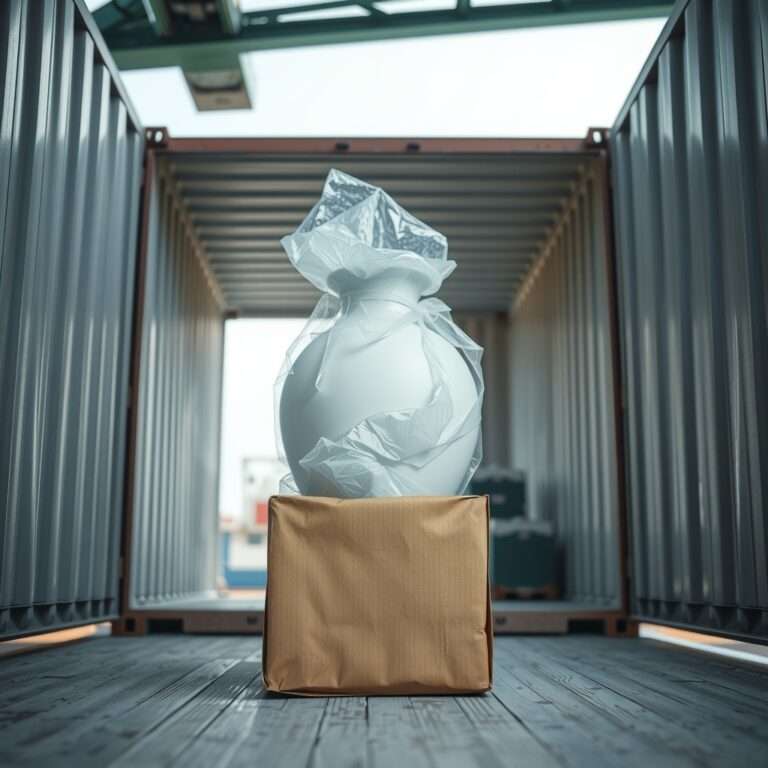
Shipping a one‑of‑a‑kind vase, a hand‑painted plate, or an entire collection of bespoke pottery across borders can feel like navigating a maze of regulations, temperature swings, and handling risks. The stakes are high: a single mishandled crate can turn a masterpiece into shards, costing time, money, and reputation. That’s why mastering custom ceramics international shipping is essential for artists, retailers, and collectors alike. In this guide we break down the most reliable, up‑to‑date methods for 2026, delivering seven actionable tips that keep your ceramics safe from the moment they leave your studio to the instant they arrive at their new home.
1. Choose the Right Carrier With Ceramic‑Specific Expertise
Not all freight forwarders treat fragile art the same way. Some specialize in high‑value, delicate items and have dedicated protocols for ceramics. When evaluating carriers, ask about their experience with pottery, their handling training, and whether they offer a “fragile‑only” service tier.
- Specialized art logistics firms – often provide climate‑controlled containers and white‑glove handling.
- Major couriers (DHL, UPS, FedEx) – have “fragile” options but may route packages through busy hubs.
- National postal services – cost‑effective for low‑value items but limited tracking granularity.
Choosing a carrier that understands the nuances of ceramic shipping reduces the risk of rough handling, sudden temperature changes, and customs delays.
2. Invest in Protective Packaging That Meets International Standards
Packaging is the first line of defense against breakage. A well‑designed crate not only cushions impacts but also complies with International Safe Transit Association (ISTA) standards, which many carriers require for high‑value shipments.
Materials to Prioritize
- Double‑wall corrugated boxes – provide superior crush resistance.
- Foam-in‑place (FIP) or molded pulp inserts – conform to irregular shapes and prevent movement.
- Bubble wrap, polyethylene foam sheets – add extra cushioning around delicate edges.
- Thermal blankets or insulated liners – protect against temperature fluctuations during long sea voyages.
Step‑by‑Step Packing Process
- Wrap each piece individually in acid‑free tissue paper.
- Layer with a minimum of 2 cm bubble wrap, securing with tape.
- Place wrapped items in a custom‑cut foam insert that immobilizes every angle.
- Seal the crate with reinforced packing tape and label “FRAGILE – HANDLE WITH CARE”.
- Affix a “THIS SIDE UP” arrow and a “KEEP DRY” sticker for added clarity.
3. Document Every Piece for Smooth Customs Clearance
Customs officials scrutinize every shipment that crosses borders. Providing thorough documentation minimizes clearance delays and reduces the chance of unnecessary inspections that could expose ceramics to rough handling.
- Commercial invoice – list each item, its material, dimensions, weight, and declared value.
- Certificate of origin – proves where the ceramics were crafted, which can affect tariff rates.
- HS code (8486.90) – the global commodity code for “Other pottery, porcelain, and earthenware”.
- Photographic evidence – attach high‑resolution photos of each piece to verify condition.
Accurate paperwork not only speeds up clearance but also reinforces the trustworthiness of your business, supporting E‑E‑A‑T principles.
4. Secure Comprehensive Shipping Insurance
Even with perfect packaging, accidents happen. Shipping insurance tailored for fragile art covers loss, damage, and even theft, providing peace of mind and financial protection.
| Insurance Provider | Coverage Limit | Deductible | Special Features |
|---|---|---|---|
| ArtSafe Logistics | Up to $250,000 per shipment | $250 | Live tracking of environmental conditions |
| Global Freight Guard | Up to $500,000 per shipment | $500 | Immediate claims processing within 48 hours |
| Standard Carrier Insurance | Up to $100,000 per shipment | $1,000 | Bundled with carrier’s freight rates |
When selecting a policy, verify that the insurer classifies the goods as “custom ceramics” rather than “general freight,” as this influences premium rates and claim handling.
5. Opt for Temperature‑Controlled Shipping When Needed
Extreme temperatures can cause glaze cracking, warping, or even structural weakening in delicate ceramics. If you’re sending pieces to regions with high humidity, desert heat, or sub‑zero climates, consider climate‑controlled containers.
- Refrigerated sea containers (reefer) – maintain a steady 15‑20 °C, ideal for long trans‑Pacific routes.
- Insulated air‑freight pallets – protect against rapid temperature swings during short‑haul flights.
- Thermal blankets – inexpensive solution for ground transport in moderate climates.
Ask your carrier whether they can provide real‑time temperature monitoring. Some platforms allow you to view data logs, ensuring that your ceramics remain within safe limits throughout the journey.
6. Track, Communicate, and Update All Stakeholders
Transparency builds trust. Real‑time tracking not only reassures you but also keeps your customers or gallery partners informed about the shipment’s status.
- Use carriers that offer GPS‑enabled tracking and proactive delay alerts.
- Set up automated email or SMS notifications for key milestones (departure, customs clearance, arrival).
- Maintain a shared dashboard where clients can view the live location and estimated delivery window.
Proactive communication also allows you to intervene quickly if a shipment is rerouted, delayed, or flagged for inspection, giving you the chance to provide additional documentation or arrange for special handling.
7. Conduct a Post‑Delivery Inspection and Gather Feedback
Once the ceramics reach their destination, a thorough inspection confirms that your custom ceramics international shipping process performed as intended. This step also generates valuable data for continuous improvement.
- Ask the recipient to photograph each piece from multiple angles.
- Compare the photos with the pre‑shipment images to spot any damage.
- Document any issues in a post‑delivery report and share it with your logistics partner.
- Collect feedback on packaging, timing, and communication to refine future shipments.
Closing the feedback loop demonstrates professionalism and enhances your brand’s reputation for reliability—key factors in Google’s Helpful Content and E‑E‑A‑T guidelines.
Putting It All Together: A Checklist for Safe Custom Ceramics International Shipping
- Research and select a carrier with ceramic‑specific expertise.
- Use double‑wall boxes, foam inserts, and thermal liners.
- Prepare complete customs documentation (invoice, HS code, certificates).
- Purchase insurance that covers the full declared value.
- Choose temperature‑controlled options for climate‑sensitive routes.
- Enable real‑time tracking and set up stakeholder notifications.
- Perform a post‑delivery inspection and capture feedback.
Conclusion: Elevate Your Ceramic Business With Confidence
Shipping custom ceramics internationally doesn’t have to be a gamble. By following these seven proven tips—selecting the right carrier, mastering protective packaging, perfecting customs paperwork, securing insurance, managing temperature, staying transparent, and closing the loop with thorough inspections—you create a robust, repeatable system that protects your art and your reputation.
In 2026, the global market for handcrafted pottery is expanding faster than ever. Artists and retailers who invest in safe, reliable custom ceramics international shipping will stand out, win repeat customers, and command premium prices.
Ready to ship your next collection with confidence? Contact our logistics specialists today for a free, no‑obligation quote tailored to your unique ceramic pieces. Let us handle the complexities while you focus on creating beautiful art.