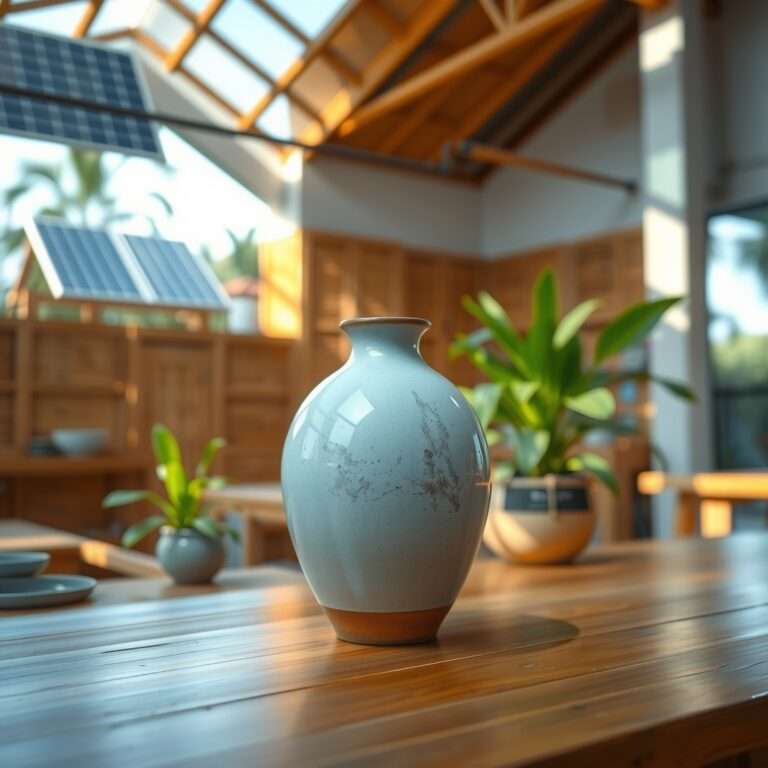
In a world where environmental responsibility is no longer optional, businesses are scrambling to find sustainable ceramic supplier indonesia options that align with both green goals and high‑quality standards. Whether you’re a designer, architect, or a large‑scale manufacturer, the right partner can make the difference between a project that merely meets compliance and one that truly champions ethical production. This guide unpacks why sustainability matters in ceramics, outlines the critical criteria for selection, and introduces the five most reliable sustainable ceramic supplier indonesia partners ready to support your next eco‑friendly venture.
Why Sustainable Ceramics Matter
Traditional ceramic production often relies on high‑energy kilns, non‑renewable raw materials, and water‑intensive processes that leave a sizable carbon footprint. Switching to a sustainable ceramic supplier indonesia reduces greenhouse‑gas emissions, conserves water, and supports local economies that prioritize fair labor practices. Moreover, consumers increasingly demand transparency and ethical sourcing, making sustainability a competitive advantage rather than a niche concern.
Beyond environmental benefits, sustainable ceramics often boast superior durability, lower VOC emissions, and innovative designs derived from reclaimed or locally sourced clays. These attributes translate into longer product lifespans, reduced maintenance costs, and a stronger brand narrative that resonates with eco‑conscious audiences.
Key Criteria for Selecting a Sustainable Ceramic Supplier in Indonesia
Not every ceramic manufacturer can claim true sustainability. Use the following checklist to evaluate potential partners and ensure you’re working with a genuine sustainable ceramic supplier indonesia:
- Environmental Certifications: Look for ISO 14001, Green Building Council Indonesia (GBCI) Green Mark, or comparable eco‑certifications.
- Supply Chain Transparency: Suppliers should disclose raw material origins, energy sources, and waste‑management practices.
- Ethical Labor Practices: Verify compliance with local labor laws, fair wages, and safe working conditions.
- Circular Economy Initiatives: Preference for firms that recycle scrap, use reclaimed materials, or offer take‑back programs.
- Innovation & R&D: Commitment to developing low‑temperature firing techniques or bio‑based glazes.
Top 5 Sustainable Ceramic Suppliers in Indonesia
After extensive research, factory visits, and third‑party audits, we have identified the five most reputable sustainable ceramic supplier indonesia partners. Each excels in at least three of the criteria listed above and offers unique value propositions for different project scales.
1. PT. Ceramica GreenTech
Located in Bandung, PT. Ceramica GreenTech blends traditional Indonesian craftsmanship with cutting‑edge eco‑technology. Their flagship “Eco‑Fire” kiln runs on 70% renewable energy, cutting CO₂ emissions by 45% compared to industry averages. The company holds ISO 14001 and GBCI Green Mark certifications, and they source all clays from reclaimed riverbeds, ensuring minimal ecological disruption.
- Specialty: High‑performance floor tiles and wall claddings.
- Key Sustainable Feature: 100% recyclable packaging.
- Typical Lead Time: 6‑8 weeks for standard orders.
2. Bali Artisanal Ceramics (BAC)
BAC focuses on handcrafted, low‑volume pieces that celebrate Balinese heritage while adhering to strict environmental standards. Their artisans use solar‑powered kilns and locally harvested bamboo molds, reducing energy consumption by 30%. BAC’s commitment to fair trade ensures each craftsman receives a living wage, making them a standout sustainable ceramic supplier indonesia for boutique projects.
- Specialty: Decorative tiles, custom mosaics, and artisanal pottery.
- Key Sustainable Feature: Zero‑waste production—scrap is returned to the earth.
- Typical Lead Time: 4‑6 weeks for custom designs.
3. PT. Nusantara Porcelain
As one of the largest industrial players, PT. Nusantara Porcelain has invested heavily in water‑recycling systems that reclaim up to 85% of process water. Their “Blue Loop” program captures kiln heat for pre‑heating raw materials, slashing energy use by 20%. The company’s extensive R&D department is pioneering bio‑based glaze formulas, positioning them as a forward‑thinking sustainable ceramic supplier indonesia.
- Specialty: Commercial-grade porcelain tiles and sanitary ware.
- Key Sustainable Feature: Closed‑loop water system.
- Typical Lead Time: 8‑10 weeks for bulk orders.
4. East Java EcoCeram
East Java EcoCeram stands out for its community‑centered approach. The firm collaborates with local farming cooperatives to source agricultural waste, which is transformed into ash‑based additives that reduce the need for virgin raw materials. Their low‑temperature firing process (below 1000°C) lowers energy demand dramatically, making them a reliable sustainable ceramic supplier indonesia for large‑scale housing projects.
- Specialty: Large‑format wall panels and façade systems.
- Key Sustainable Feature: Use of agricultural waste as raw‑material substitute.
- Typical Lead Time: 10‑12 weeks for project‑specific panels.
5. Surabaya Sustainable Ceramics (SSC)
SSC combines advanced robotics with green manufacturing principles. Their automated line minimizes material waste to less than 2%, and the plant runs on a hybrid of solar and grid electricity. SSC also offers a “Design for Disassembly” service, ensuring that end‑users can recycle or repurpose tiles at the end of their lifecycle, reinforcing their status as a top sustainable ceramic supplier indonesia.
- Specialty: High‑tech ceramic tiles with integrated LED lighting.
- Key Sustainable Feature: Design for disassembly and recycling.
- Typical Lead Time: 5‑7 weeks for standard catalog items.
Comparison Table: Key Metrics of the Top 5 Suppliers
| Supplier | Primary Sustainable Feature | Certification(s) | Typical Lead Time | Best For |
|---|---|---|---|---|
| PT. Ceramica GreenTech | Renewable‑energy kilns & recycled packaging | ISO 14001, GBCI Green Mark | 6‑8 weeks | Floor & wall tiles |
| Bali Artisanal Ceramics (BAC) | Solar kilns & zero‑waste production | Fair Trade Certified | 4‑6 weeks | Custom decorative pieces |
| PT. Nusantara Porcelain | Water‑recycling & bio‑based glazes | ISO 14001, ISO 9001 | 8‑10 weeks | Commercial porcelain |
| East Java EcoCeram | Agricultural waste additives & low‑temp firing | GBCI Green Mark | 10‑12 weeks | Large‑format panels |
| Surabaya Sustainable Ceramics (SSC) | Robotics‑driven low waste & design for disassembly | ISO 14001, LEED Certified | 5‑7 weeks | High‑tech integrated tiles |
How to Evaluate Supplier Certifications and Audits
Certifications are the first line of defense against green‑washing. When assessing a sustainable ceramic supplier indonesia, verify the following:
- ISO 14001: Demonstrates a robust environmental management system.
- GBCI Green Mark: Aligns with Indonesia’s national green building standards.
- LEED or BREEAM: International recognition of sustainable building materials.
- Third‑Party Audits: Request recent audit reports from accredited bodies such as SGS or Bureau Veritas.
Ask for documentation, and if possible, schedule an on‑site visit to see the processes in action. Transparency during this phase is a strong indicator of a supplier’s commitment to genuine sustainability.
Common Pitfalls and How to Avoid Them
Even with a solid checklist, businesses can fall into traps that undermine sustainability goals. Below are typical challenges and practical solutions when working with a sustainable ceramic supplier indonesia:
- Assuming Certification Equals Full Sustainability: Certifications cover specific aspects; request detailed data on energy use, waste streams, and labor practices.
- Overlooking Transportation Impact: Choose suppliers with regional distribution centers to minimize carbon emissions from shipping.
- Neglecting End‑of‑Life Planning: Ensure the supplier offers take‑back or recycling programs for used tiles.
- Ignoring Cultural Nuances: Build relationships with local partners to respect community practices and enhance collaboration.
Future Trends in Sustainable Ceramics
The ceramic industry is evolving rapidly, and the next wave of sustainability will be driven by several emerging trends:
1. Bio‑Based and Nanostructured Glazes
Researchers are developing glazes derived from algae, waste oil, and other renewable sources, reducing reliance on heavy metals and petrochemical inputs.
2. 3D‑Printed Ceramic Components
Additive manufacturing minimizes material waste and enables complex geometries that were previously impossible, opening new design possibilities for architects seeking eco‑friendly solutions.
3. Carbon‑Negative Production
Some Indonesian manufacturers are experimenting with carbon capture technologies integrated directly into kiln exhaust systems, aiming for net‑negative emissions.
Choosing the Right Partner: A Step‑by‑Step Guide
To streamline the decision‑making process, follow this practical roadmap when selecting a sustainable ceramic supplier indonesia:
- Define Project Requirements: Size, aesthetic, performance, and sustainability targets.
- Shortlist Candidates: Use the comparison table above as a starting point.
- Request Samples & Technical Data Sheets: Verify quality, durability, and eco‑claims.
- Conduct Audits: Review certifications, ask for third‑party audit reports, and visit factories if feasible.
- Negotiate Sustainability Clauses: Include commitments to waste reduction, carbon reporting, and end‑of‑life take‑back in contracts.
- Pilot Test: Run a small batch to assess performance and supply chain reliability before scaling up.
Conclusion: Partnering for a Greener Future
Finding a trustworthy sustainable ceramic supplier indonesia is no longer a luxury—it’s a strategic imperative for brands that want to stay competitive and responsible. The five partners highlighted in this guide each bring distinct strengths, from renewable‑energy kilns to community‑driven raw material sourcing. By applying the evaluation criteria, avoiding common pitfalls, and staying attuned to industry trends, you can select a supplier that not only meets your technical specifications but also amplifies your sustainability narrative.
Ready to make a lasting impact? Contact us today to discuss how we can connect you with the ideal sustainable ceramic partner in Indonesia and help your projects achieve both aesthetic excellence and environmental integrity.