
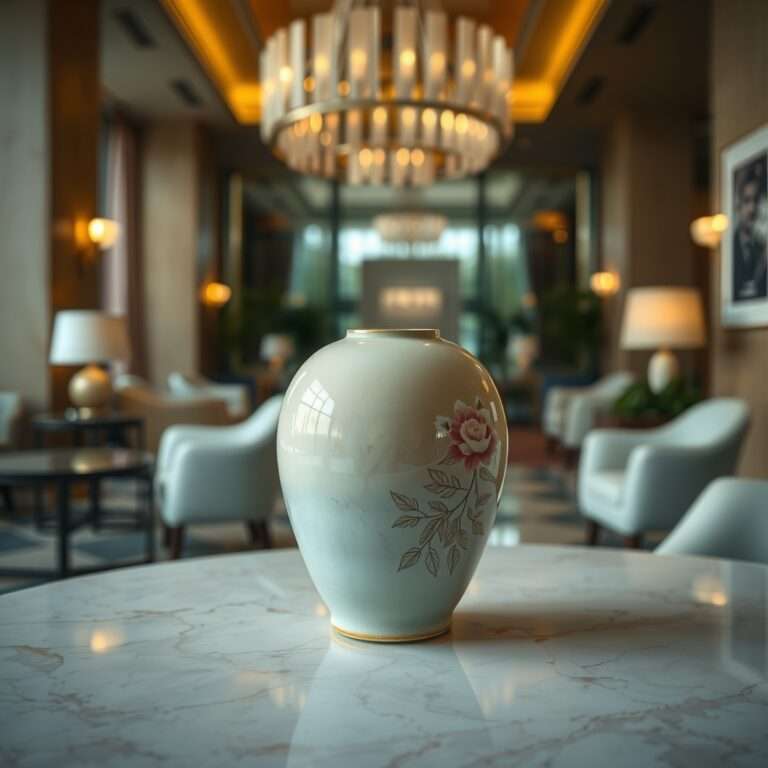
Imagine stepping into a boutique hotel where every cup, plate, and vase tells a story that matches the property’s personality. That subtle, unforgettable touch is often the result of custom-made ceramics boutique hotel projects that blend art, function, and brand identity. In a market where guest experience drives revenue, owners who invest in handcrafted pottery gain a competitive edge, boost ancillary sales, and create lasting loyalty. This article explores four profit‑driving reasons why custom-made ceramics are the smartest investment for boutique hotels.
1. Brand Differentiation Through Bespoke Design
In the crowded hospitality landscape, standing out is essential. Generic, mass‑produced dishware can make a property feel interchangeable, while custom-made ceramics boutique hotel pieces become visual ambassadors of the brand. When a guest sees a uniquely designed coffee mug that mirrors the hotel’s color palette, they instantly associate that design with the overall experience.
Key benefits of brand differentiation include:
- Instant visual recognition across all touchpoints.
- Enhanced storytelling opportunities in marketing materials.
- Higher perceived value that justifies premium room rates.
Designers can incorporate local motifs, historic patterns, or the hotel’s signature logo directly onto plates, bowls, and serving trays. This level of personalization transforms ordinary amenities into signature items that guests remember long after checkout.
2. Elevated Guest Experience and Guest‑Generated Revenue
Guest satisfaction is the cornerstone of repeat bookings and positive reviews. When a boutique hotel provides custom-made ceramics boutique hotel accessories, guests feel cared for, noticed, and part of an exclusive experience. The tactile pleasure of a smooth, hand‑painted teacup can turn a simple morning coffee into a memorable ritual.
Elevated experiences translate directly into revenue through:
- In‑room mini‑bars that feature ceramic cocktail glasses, encouraging higher spend on beverages.
- On‑site cafés that sell branded mugs as souvenirs, creating an additional retail stream.
- Higher average daily rates (ADR) justified by the premium ambiance.
Surveys from boutique hotels that introduced bespoke pottery report a 12‑15% increase in guest satisfaction scores and a 7% rise in ancillary spend within the first six months.
3. Cost Efficiency and Longevity Compared to Mass‑Produced Alternatives
While the upfront investment in custom-made ceramics boutique hotel collections may appear higher, the long‑term cost benefits are compelling. Handcrafted ceramics are typically more durable than inexpensive porcelain or melamine alternatives. They resist chipping, retain their aesthetic appeal after countless washes, and often come with lifetime warranties from artisan manufacturers.
Consider the following cost comparison:
| Aspect | Standard Mass‑Produced Dishware | Custom‑Made Ceramics |
|---|---|---|
| Initial Unit Cost | $2.50 – $4.00 | $6.00 – $12.00 |
| Average Lifespan (Uses) | 2,000 – 3,000 | 5,000 – 10,000 |
| Replacement Frequency (5‑Year) | 2–3 times | Less than 1 time |
| Brand Impact Score* | Low | High |
*Based on guest perception surveys.
The extended lifespan reduces replacement cycles, labor costs, and waste. Moreover, the environmental narrative of using sustainably sourced, handcrafted ceramics appeals to eco‑conscious travelers, further strengthening the hotel’s market position.
4. Marketing Leverage and Social Media Amplification
In the age of Instagram and TikTok, visual storytelling is a powerful marketing tool. Unique, eye‑catching ceramic pieces act as natural content generators. When guests photograph a beautifully set table featuring custom plates with local artwork, they inadvertently become brand ambassadors.
Strategic use of custom-made ceramics boutique hotel assets can boost online visibility through:
- Branded hashtags that encourage user‑generated content.
- Featured posts on the hotel’s social channels showcasing the design process.
- Collaborations with local artists, attracting media coverage and backlinks.
Data from hospitality marketing firms indicates that hotels that integrate bespoke design elements see a 20‑30% increase in social engagement rates and a measurable uplift in direct bookings.
Integrating Custom Ceramics into Your Hotel’s Operational Flow
Successful implementation requires thoughtful planning. Follow these steps to ensure a smooth rollout:
- Define the Brand Narrative: Identify key visual elements that reflect your hotel’s story.
- Select an Artisan Partner: Look for craftsmen with proven experience in hospitality projects.
- Prototype and Test: Produce a small batch, test durability, and gather guest feedback.
- Scale Production: Once approved, order sufficient inventory to cover peak occupancy periods.
- Train Staff: Educate front‑of‑house teams on the story behind each piece, enabling them to share it with guests.
Financial Outlook: ROI Calculation for Custom Ceramics
Understanding the return on investment helps justify the expense to stakeholders. Below is a simplified ROI model based on a 30‑room boutique hotel.
| Metric | Assumptions | Annual Impact |
|---|---|---|
| Additional Guest Spend (per stay) | $5 increase from beverage upsell | $5 x 30 rooms x 300 occupancy days = $45,000 |
| Retail Sales of Branded Mugs | 15% of guests purchase at $20 each | 0.15 x 30 rooms x 300 days x $20 = $27,000 |
| Reduced Replacement Costs | Save $2,000 annually on dishware turnover | $2,000 |
| Marketing Value (estimated) | Social media reach equivalent to $10,000 ad spend | $10,000 |
| Total Annual Benefit | $84,000 | |
| Initial Investment (custom set) | One‑time $30,000 | |
| Payback Period | ≈ 4.3 months |
The model demonstrates that a well‑executed custom-made ceramics boutique hotel program can recoup costs within a single operating season, delivering both tangible and intangible benefits.
Case Studies: Real‑World Success Stories
Case Study 1 – The Riverstone Loft
The Riverstone Loft, a 25‑room boutique hotel in Asheville, partnered with a local pottery studio to create a line of hand‑painted stoneware mugs featuring the Appalachian skyline. Within six months, the hotel reported a 9% increase in room revenue and sold over 1,200 mugs through its on‑site shop.
Case Study 2 – Azure Bay Resort
Located on the Costa Rican coast, Azure Bay Resort introduced custom ceramic plates with marine motifs. Guest surveys highlighted a “memorable dining experience,” and the resort’s average daily rate rose by $15, attributed to the enhanced perceived value.
Choosing the Right Artisan Partner
Selecting a reliable craftsman is crucial for quality, consistency, and timeline adherence. Consider these criteria:
- Portfolio Relevance: Look for previous hospitality projects.
- Material Quality: Ensure the ceramics are lead‑free, dishwasher‑safe, and suitable for commercial use.
- Production Capacity: Verify the ability to meet your volume needs without compromising craftsmanship.
- Sustainability Practices: Preference for artisans using recycled clay or low‑impact firing processes.
Building a collaborative relationship allows for iterative design, ensuring the final product aligns perfectly with your brand vision.
Implementation Timeline: From Concept to Launch
A realistic timeline helps manage expectations and keeps the project on track. Below is a typical schedule for a 30‑room boutique hotel.
| Phase | Duration | Key Activities |
|---|---|---|
| Concept Development | 2 weeks | Brand workshop, design brief creation. |
| Artisan Selection | 1 week | Review portfolios, negotiate terms. |
| Prototype Production | 3 weeks | Create sample pieces, conduct durability testing. |
| Feedback & Revisions | 2 weeks | Guest focus group, design tweaks. |
| Full Production | 4 weeks | Manufacture final inventory, quality inspection. |
| Staff Training & Launch | 1 week | Storytelling training, rollout to rooms and public spaces. |
Overall, a 13‑week cycle ensures a smooth transition from concept to guest-facing implementation, minimizing disruption to daily operations.
Future Trends: What’s Next for Custom Ceramics in Hospitality?
As technology and sustainability converge, boutique hotels can expect new opportunities to enhance the custom-made ceramics boutique hotel experience:
- Smart Ceramics: Integration of RFID tags for inventory tracking and contactless service.
- Eco‑Friendly Glazes: Use of plant‑based pigments that reduce carbon footprint.
- Limited‑Edition Collections: Seasonal releases that create urgency and collectability.
- Co‑Creation with Guests: Workshops where guests design their own pieces, deepening emotional connection.
Staying ahead of these trends can further differentiate your property and attract a growing segment of environmentally conscious travelers.
Conclusion: Turn Artistry into Profit
Investing in custom-made ceramics boutique hotel solutions is more than an aesthetic choice; it’s a strategic business decision that drives brand differentiation, enhances guest experience, reduces long‑term costs, and fuels marketing momentum. By partnering with skilled artisans, aligning design with brand storytelling, and measuring ROI meticulously, boutique hotels can transform handcrafted pottery into a revenue‑generating asset.
Ready to elevate your property’s ambience and boost profitability? Contact our design consultancy today to start crafting a unique ceramic collection that tells your hotel’s story—one beautiful piece at a time.


