
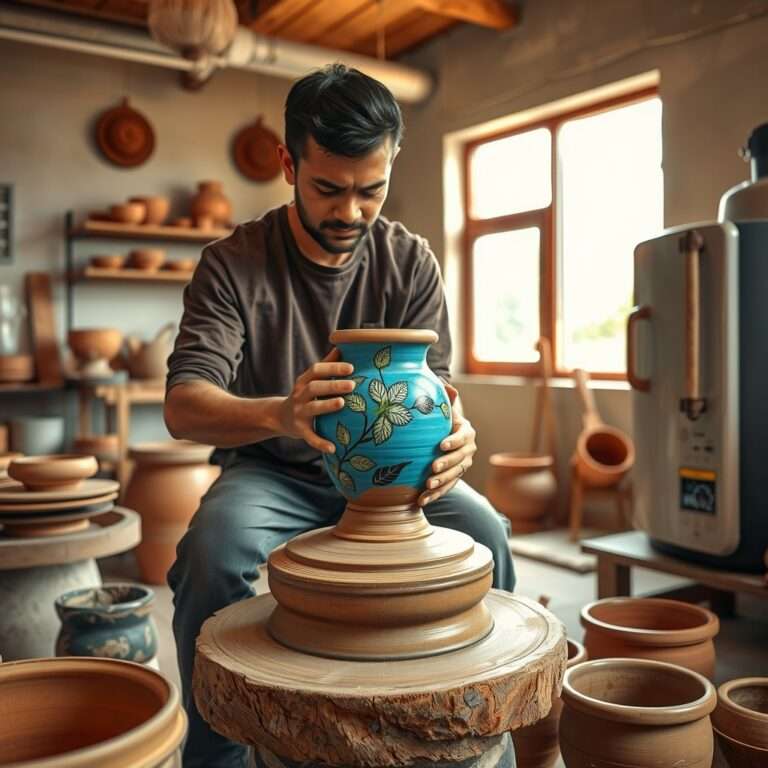
Finding a reliable custom ceramics supplier Java can feel like searching for a needle in a haystack—especially when you need bulk orders, tight deadlines, and flawless design replication. Whether you’re a boutique home‑decor brand, a restaurant chain looking for branded tableware, or a large retailer expanding into Southeast Asian markets, the right partner in Java can turn your creative vision into a profitable reality. This guide walks you through every step, from initial sketch to final delivery, so you can confidently source high‑quality custom ceramics at scale.
Why Java Is a Hotspot for Custom Ceramics Production
Java, Indonesia’s most populous island, has evolved into a ceramics powerhouse thanks to a blend of skilled artisans, modern factories, and competitive labor costs. The region’s rich clay deposits, especially in the Bandung and Yogyakarta areas, provide a natural advantage for producing durable stoneware, porcelain, and earthenware. Moreover, the Indonesian government’s incentives for export‑oriented manufacturers have spurred investment in advanced kilns, automated glazing lines, and ISO‑certified quality systems. As a result, a custom ceramics supplier Java can often deliver premium products at a fraction of the price you’d pay in Europe or North America.
Understanding the Full Production Cycle
Before you contact a custom ceramics supplier Java, it helps to grasp the stages that turn a concept into a finished piece. Knowing each step lets you set realistic timelines, control costs, and spot potential quality issues early.
1. Design & Concept Development
Most suppliers offer in‑house design teams that can translate sketches, CAD files, or 3D renders into production‑ready drawings. During this phase, you’ll discuss dimensions, ergonomics, and decorative elements such as hand‑painting, decals, or texture.
2. Prototyping & Sample Production
After the design is locked, the supplier creates a prototype—often using a rapid‑fire kiln or 3D‑printed ceramic slurry. This sample is your first tangible proof that the design, glaze, and finish meet expectations.
3. Tooling & Mold Creation
For bulk orders, the factory invests in plaster molds or CNC‑carved dies. The cost of tooling is typically amortized over the order volume, which is why many custom ceramics supplier Java partners offer tiered pricing based on quantity.
4. Production & Firing
Once molds are approved, the factory rolls out the production run. The pieces are dried, bisque‑fired, glazed, and then fire‑finished at temperatures ranging from 1,200 °C to 1,300 °C, depending on the material.
5. Finishing & Quality Control
After the final glaze firing, items may undergo additional processes such as hand‑polishing, laser engraving, or application of protective coatings. Rigorous QC checks—including dimensional inspection, glaze uniformity, and impact testing—ensure each piece meets the agreed specifications.
Selecting the Right Custom Ceramics Supplier in Java
Not all factories are created equal. Below is a practical checklist to evaluate potential partners and ensure you choose a supplier who can deliver on time, on budget, and without compromising on quality.
- Experience and Portfolio: Look for at least 5‑7 years of experience in bulk custom projects similar to yours.
- Certifications: ISO 9001, ISO 14001, and CE marking indicate robust quality and environmental management systems.
- Production Capacity: Verify that the factory can handle your required volume within the desired lead time.
- Sample Turn‑around: A reputable custom ceramics supplier Java will provide a functional prototype within 2‑3 weeks.
- Communication: English proficiency, responsive email, and a dedicated account manager are essential for smooth collaboration.
- Transparency: Detailed quotations, clear payment terms, and visible factory audits build trust.
Material Options and Technical Specifications
Choosing the right material affects durability, aesthetic, and cost. Here’s a quick reference of common ceramic types offered by Java manufacturers.
| Material | Typical Uses | Key Properties | Price Range (USD per piece) |
|---|---|---|---|
| Stoneware | Tableware, mugs, decorative items | Durable, slightly porous, mid‑gloss finish | 0.80 – 2.50 |
| Porcelain | Fine dinnerware, luxury gifts | High translucency, chip‑resistant, smooth | 1.20 – 4.00 |
| Earthenware | Rustic plates, plant pots | Highly porous, lower firing temperature | 0.50 – 1.80 |
| Bone China | Premium tea sets, high‑end hospitality | Lightweight, strong, ivory hue | 2.00 – 6.00 |
Cost Factors and Pricing Models
Understanding how prices are calculated helps you negotiate better terms with a custom ceramics supplier Java. The main cost drivers include:
- Tooling Fees: One‑time charge for molds (often $500‑$2,500).
- Material Costs: Vary by clay type and glaze complexity.
- Labor: Indonesia’s labor rates are competitive, but skilled hand‑painting adds premium.
- Energy Consumption: High‑temperature kilns consume significant electricity, reflected in unit cost.
- Shipping & Duties: Freight, insurance, and import taxes can add 10‑20% to landed cost.
Many suppliers offer tiered pricing: the unit price drops as order volume rises. For example, a 5,000‑piece order may cost $1.80 per piece, while a 20,000‑piece run could be $1.30 per piece.
Minimum Order Quantities (MOQ) and Bulk Ordering Strategies
Java factories typically set MOQs ranging from 1,000 to 5,000 pieces per design, depending on complexity. If you’re launching a new line, consider these tactics to meet MOQ without over‑stocking:
- Mix‑and‑Match: Combine several SKUs into a single production run to share tooling costs.
- Staggered Launch: Produce a core set of high‑demand items first, then add complementary pieces later.
- Co‑Packaging: Bundle smaller items (e.g., coasters, napkin rings) into a single shipment.
Quality Assurance and Certifications
A trustworthy custom ceramics supplier Java will embed quality checks at every stage. Look for these certification markers:
- ISO 9001: General quality management.
- ISO 14001: Environmental responsibility.
- Food‑Safe Certification: NSF or FDA compliance for dinnerware.
- CE Marking: Required for EU market entry.
In addition, request a detailed QC report that includes:
- Dimensional tolerance measurements.
- Glaze thickness and color consistency.
- Impact and drop test results.
- Batch‑level photographic documentation.
Logistics: Shipping, Customs, and Delivery
Even the best‑crafted ceramics can be ruined by poor logistics. Here’s a streamlined workflow for moving bulk orders from Java to your warehouse:
- Packaging: Double‑wall corrugated boxes with molded pulp inserts; many suppliers also offer reusable wooden crates for high‑value shipments.
- Freight Options: Sea freight is cost‑effective for volumes over 1 CBM, while air freight suits urgent, low‑volume orders.
- Customs Clearance: Ensure the invoice lists HS code 6912 (ceramic tableware) and includes the supplier’s ISO certification to avoid delays.
- Insurance: Opt for All‑Risk coverage; ceramics are fragile, and loss during transit can be costly.
Sustainable Practices and Ethical Sourcing
Consumers increasingly demand environmentally friendly products. Many Java manufacturers now adopt green initiatives such as:
- Recycling kiln heat to generate electricity.
- Using locally sourced, low‑impact clays.
- Implementing water‑reclamation systems for glaze washing.
- Providing fair‑wage contracts for artisans.
Partnering with a custom ceramics supplier Java that prioritizes sustainability not only boosts brand reputation but can also qualify you for eco‑label certifications in Western markets.
Common Pitfalls and How to Avoid Them
Even seasoned importers encounter challenges. Below are typical issues and proactive solutions.
- Poor Color Matching: Request a physical glaze swatch before bulk production; digital proofs can vary.
- Delayed Tooling: Include a tooling timeline clause in the contract with penalties for missed deadlines.
- Unexpected MOQ Increases: Negotiate a flexible MOQ clause that allows scaling down for new SKUs.
- Customs Holds: Pre‑submit all required certificates and a detailed packing list to the destination port authority.
- Damage in Transit: Insist on double‑wall packaging and a “fragile” label; consider a third‑party inspection before loading.
Case Studies: Success Stories from the Field
Below are brief snapshots of brands that leveraged a custom ceramics supplier Java to accelerate growth.
- Urban Brew Co. Needed 15,000 custom coffee mugs with a matte black glaze. By selecting a mid‑size Java factory with ISO 9001 certification, they cut production costs by 28% and launched in three months.
- EcoHome Décor sourced a line of biodegradable earthenware planters. The supplier’s green kiln technology reduced carbon emissions by 35%, enabling the brand to claim a “Carbon‑Neutral” label.
- Luxury Hotel Chain required porcelain dinnerware with laser‑etched logos for 12 locations worldwide. The Java partner delivered a flawless batch with a 99.7% first‑pass quality rate, meeting strict hotel‑industry standards.
Frequently Asked Questions (FAQ)
What is the typical lead time for a bulk custom ceramics order from Java?
From design approval to final delivery, most factories need 8‑12 weeks for orders between 5,000‑20,000 pieces. Lead times can shrink to 6 weeks for smaller runs with existing tooling.
Can I visit the factory before committing?
Yes. Reputable custom ceramics supplier Java companies welcome on‑site audits and will arrange a translator if needed.
How are payments usually structured?
Standard practice is a 30% deposit upon order confirmation, 40% after tooling completion, and the remaining 30% before shipment. Some suppliers accept letters of credit for larger contracts.
Is it possible to get a CE mark for my products?
Absolutely. Choose a supplier with ISO 9001 and ISO 14001 certifications; they can provide the necessary testing documentation for CE compliance.
What if I need a design change after production has started?
Minor glaze tweaks can be accommodated, but major shape alterations will require new tooling and will affect cost and timeline. Always lock design early to avoid extra fees.
Conclusion: Your Path to Seamless Bulk Ceramic Sourcing
Choosing the right custom ceramics supplier Java is a strategic decision that influences product quality, brand perception, and bottom‑line profitability. By understanding the production cycle, vetting suppliers with a rigorous checklist, and planning logistics ahead of time, you can turn a complex sourcing challenge into a competitive advantage. Java’s blend of skilled artisans, modern facilities, and cost‑effective manufacturing makes it an unrivaled destination for bulk custom ceramics in 2026.
Ready to bring your ceramic vision to life? Contact our sourcing specialists today for a free consultation, sample request, and a detailed quote tailored to your exact needs. Let’s create beautiful, durable, and market‑ready ceramics together.


