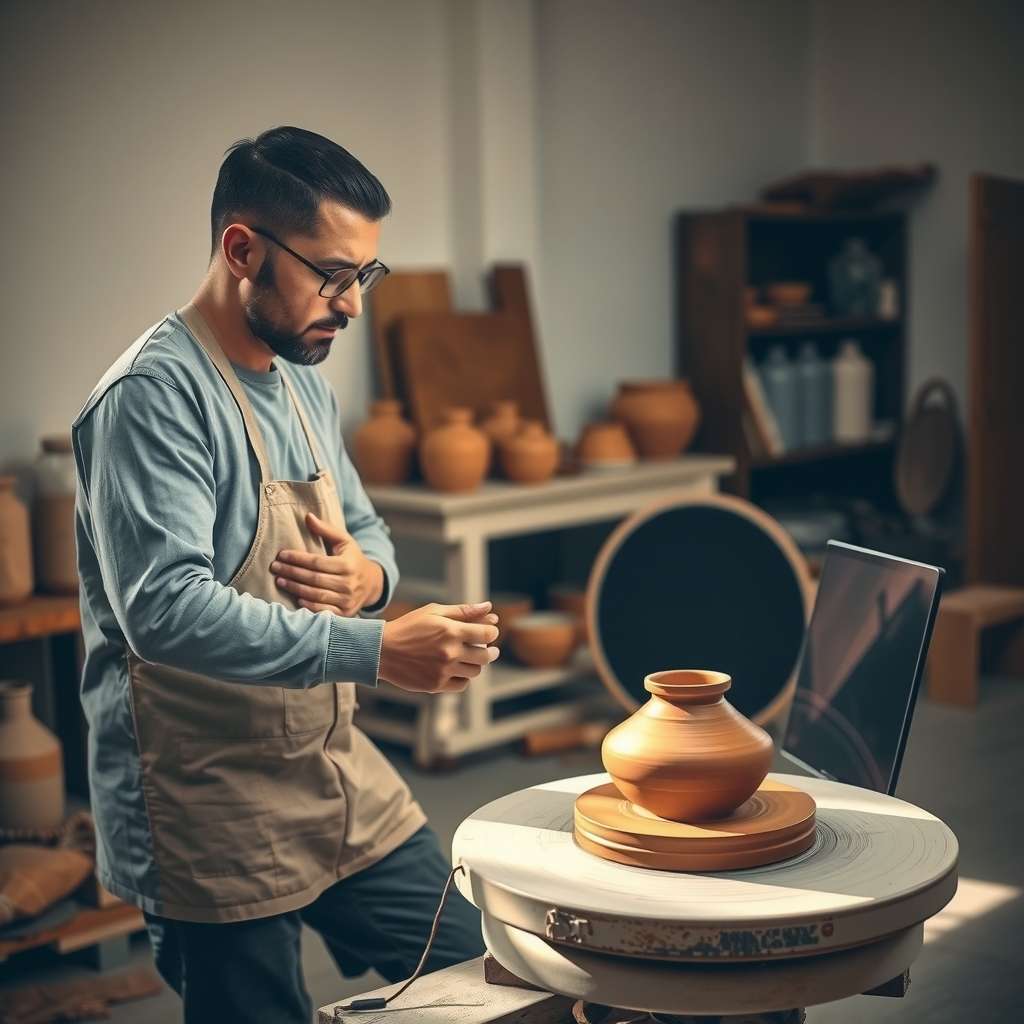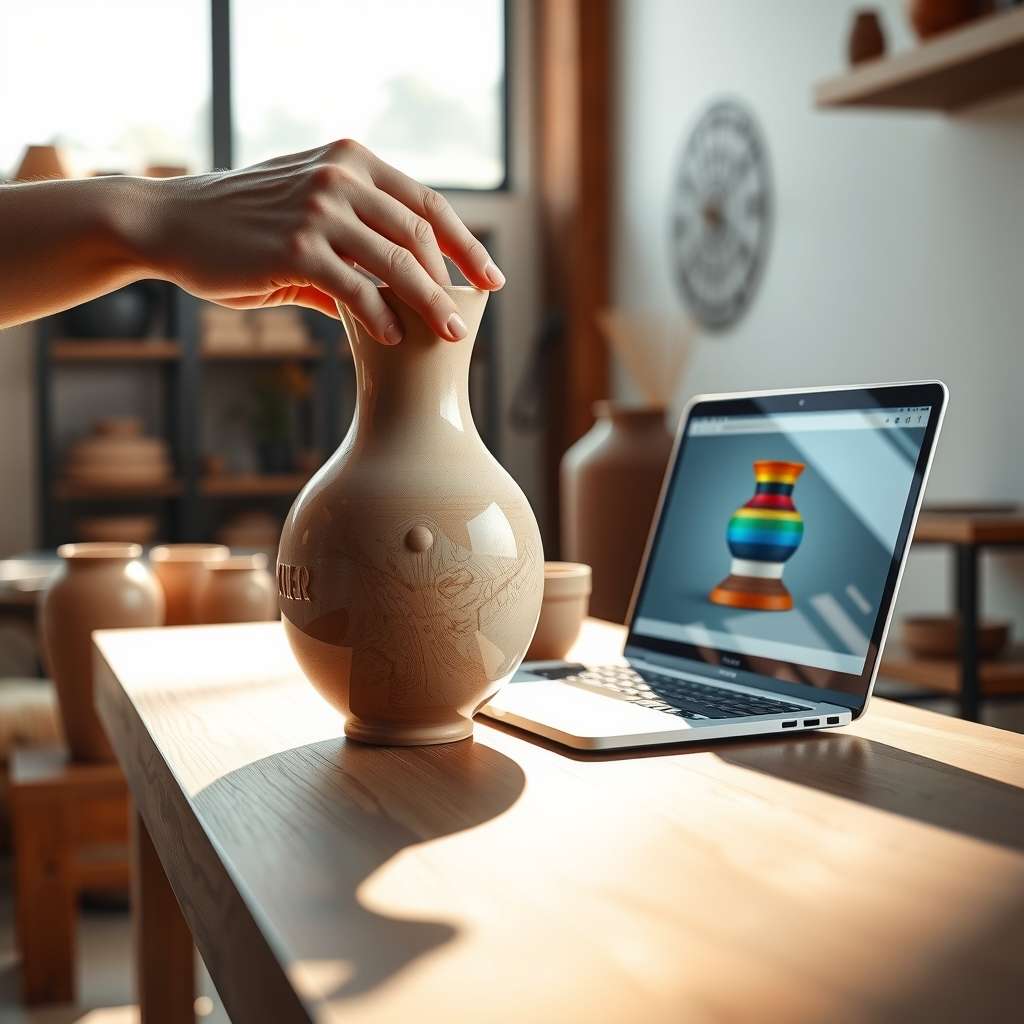
In today’s fast‑moving market, businesses that rely on high‑performance ceramic components face a critical question: how can they secure a reliable supply chain that delivers precision, speed, and cost‑effectiveness? The answer lies in mastering the custom ceramics manufacturing process. By integrating advanced materials science with streamlined production workflows, companies can transform raw ideas into finished products that meet the exacting standards of modern industries. This guide unpacks every step—from initial concept and material selection to final quality assurance—so you can confidently navigate the B2B ceramics landscape in 2026 and beyond.
1. Understanding the Value of Custom Ceramics Manufacturing
Custom ceramics manufacturing is more than just producing a ceramic part; it’s about delivering a solution that aligns with your business goals, regulatory requirements, and performance targets. Unlike off‑the‑shelf components, bespoke ceramic products allow you to tailor properties such as thermal conductivity, electrical insulation, and mechanical strength to your unique application. For sectors like aerospace, medical devices, and renewable energy, these custom solutions can mean the difference between a product that merely works and one that excels in reliability and longevity.
When evaluating the value proposition, consider the lifecycle impact. A well‑designed custom ceramic component can reduce maintenance costs, extend product life, and lower energy consumption. Moreover, the ability to iterate quickly on design enables companies to stay ahead of market trends and regulatory shifts, ensuring compliance without sacrificing innovation.
In the B2B context, the partnership between a manufacturer and its clients is pivotal. Transparent communication, shared expertise, and a commitment to continuous improvement create a collaborative environment where both parties can thrive. By investing in a robust custom ceramics manufacturing pipeline, you position your organization to deliver superior products that resonate with discerning customers.
Ultimately, the strategic advantage of custom ceramics manufacturing lies in its capacity to turn complex engineering challenges into tangible, high‑quality assets. Whether you’re prototyping a new sensor or scaling up production for a global launch, the right manufacturing partner can help you achieve precision, consistency, and scalability.
2. The Conceptualization Phase: From Idea to Design
Every successful custom ceramics manufacturing project starts with a clear conceptual vision. This phase involves translating the client’s functional requirements into a design blueprint that balances performance, manufacturability, and cost. Key activities include requirement gathering, feasibility studies, and initial sketches or CAD models.
During requirement gathering, engineers and designers collaborate to define critical parameters such as dimensions, load conditions, thermal loads, and environmental exposure. This information feeds directly into material selection and process planning, ensuring that the final product meets the intended application criteria.
Feasibility studies assess whether the desired properties can be achieved with available ceramic technologies. They consider factors like sintering temperature, grain size, and potential for defects. By identifying potential challenges early, teams can adjust the design to mitigate risks before moving to production.
Once the design is finalized, a detailed CAD model is generated. This model serves as the blueprint for tooling, simulation, and quality control. It also enables rapid iteration—if a new requirement emerges, the design can be updated and re‑validated without significant delays.
3. Material Selection: Choosing the Right Ceramic
Material selection is a cornerstone of custom ceramics manufacturing. The right ceramic must possess the necessary mechanical, thermal, and chemical properties to perform under expected service conditions. Common options include alumina, silicon carbide, zirconia, and advanced composites that blend ceramics with polymers or metals.
When selecting a material, consider the application’s specific demands: high‑temperature environments may favor silicon carbide, while high‑strength, fracture‑tolerant components might lean toward zirconia. Additionally, the chosen material should be compatible with the intended manufacturing processes, such as slip casting, injection molding, or additive manufacturing.
Advanced material databases and simulation tools can accelerate this decision. By inputting performance criteria, engineers can retrieve candidate materials and predict behavior under simulated loads, helping to narrow down the optimal choice.
Finally, sourcing reliable suppliers for raw materials is essential. A robust supply chain mitigates the risk of shortages, ensures consistent quality, and supports timely delivery throughout the production cycle.
4. Tooling and Prototyping: Building the Foundation
Once the material is chosen, the next step is to create tooling that will shape the ceramic part. Tooling design must account for the unique properties of ceramics, such as brittleness and high-temperature behavior. Common tooling methods include CNC machining of molds, 3D‑printed sacrificial molds, and investment casting techniques.
Prototyping allows teams to validate the design and identify potential issues before committing to large‑scale production. Rapid prototyping technologies—like binder jetting and stereolithography—enable the creation of near‑net‑shape ceramic parts that can be tested for dimensional accuracy, surface finish, and mechanical performance.
During prototyping, it’s crucial to monitor key parameters: green body density, shrinkage rates, and sintering temperatures. Adjustments to the mix or process can be made iteratively, ensuring that the final product meets specifications.
By investing in high‑quality tooling and robust prototyping, manufacturers reduce the risk of costly rework, improve yield rates, and shorten the overall development timeline.
5. Manufacturing Processes: From Green Body to Finished Part
Custom ceramics manufacturing encompasses several core processes that transform raw powders into finished parts. The journey typically starts with powder preparation, where materials are blended with binders to achieve the desired consistency and flow characteristics.
Next, the green body—an unfired ceramic shape—is formed using methods such as slip casting, injection molding, extrusion, or additive manufacturing. Each technique offers unique advantages: slip casting allows for complex geometries, while injection molding provides high precision and repeatability.
After shaping, the green body undergoes debinding to remove organic components, followed by sintering at high temperatures to fuse the ceramic particles into a dense, solid structure. Sintering parameters are critical: temperature, dwell time, and heating rate directly influence grain growth, density, and final mechanical properties.