Custom Ceramic Manufacturing: From Design to Production
Custom ceramic manufacturing blends artistry with precision engineering to create products tailored to specific client needs. Whether you’re a retailer seeking unique tableware or an importer looking for high-quality decorative ceramics, understanding the journey from concept to finished goods is essential. This guide breaks down the intricate process of custom ceramic manufacturing, highlighting key stages like design development, material selection, production techniques, and quality assurance. By the end, you’ll have actionable insights to make informed decisions when sourcing custom ceramics for your business.
The Design Phase: Transforming Ideas into Blueprints
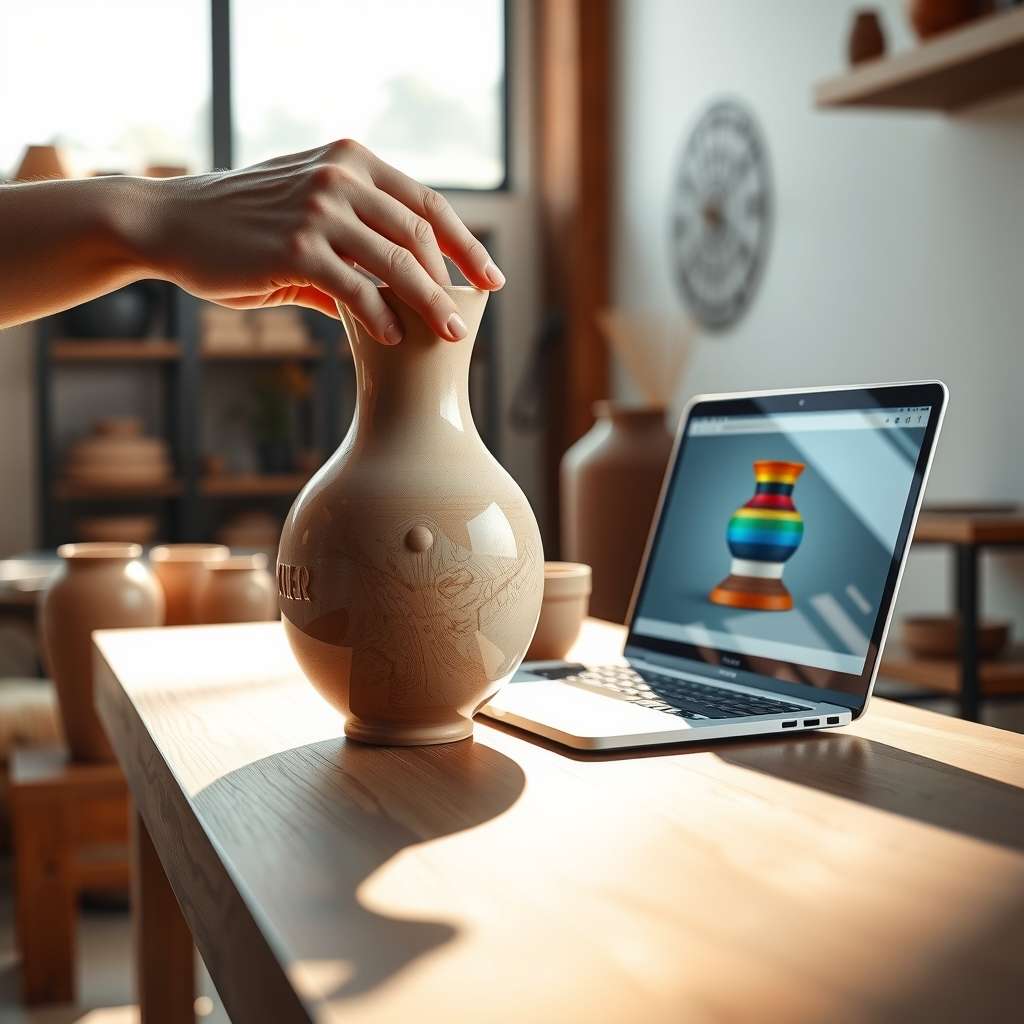
Every custom ceramic product begins with a design. Collaborating with skilled designers ensures your vision aligns with manufacturing capabilities. Advanced software like CAD (Computer-Aided Design) allows for 3D modeling, enabling clients to visualize products before production. This phase also includes sketches, material discussions, and prototyping timelines.
1. Concept Development
Designers work closely with clients to understand functional requirements, aesthetics, and target market. For example, a restaurant might prioritize durability and heat resistance for dinnerware, while a home décor brand may focus on intricate patterns and glaze finishes.
2. 3D Modeling and Digital Prototyping
3D modeling software creates detailed digital prototypes, reducing errors and saving time. Tools like ZBrush or Blender allow for texture and shape adjustments. Clients can review virtual samples, request revisions, and approve final designs before moving to physical prototyping.
3. Material Selection for Design Feasibility
Choosing the right clay type (e.g., stoneware, porcelain, or terracotta) impacts design possibilities. Porcelain, for instance, offers a smooth finish and high whiteness, ideal for luxury tableware, while stoneware’s durability suits everyday use.
Prototyping: Bridging Design and Production
Prototyping validates design functionality and aesthetics. Custom ceramic manufacturers use methods like 3D printing, slip casting, or hand-building to create physical samples. This stage also identifies potential issues, such as structural weaknesses or glazing inconsistencies.
1. Rapid Prototyping with 3D Printing
3D printing accelerates prototyping using ceramic-based filaments. It allows for complex geometries and reduces material waste. Clients receive physical samples within days, enabling quick iterations.
2. Hand-Built Prototypes for Artisanal Quality
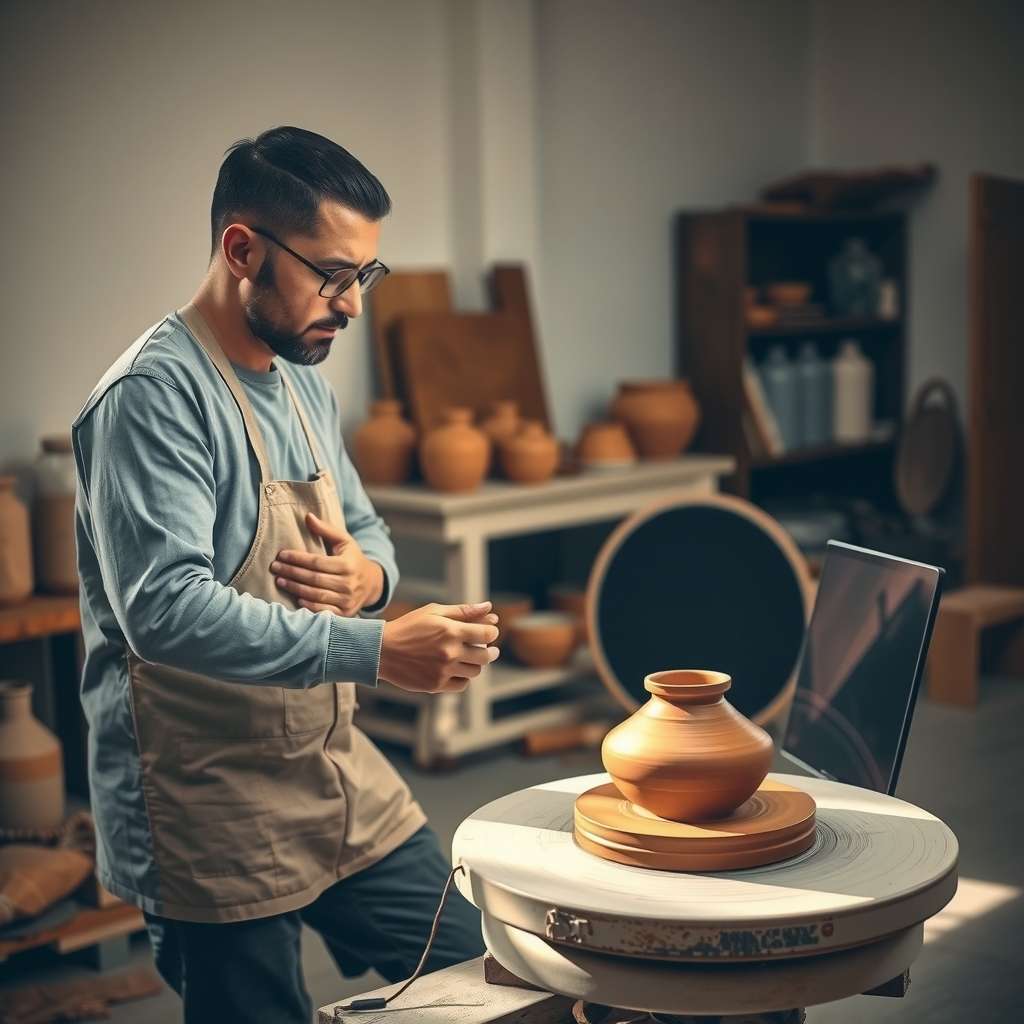
For handmade or small-batch products, artisans shape prototypes using coiling, slab-building, or wheel-throwing techniques. These methods preserve craftsmanship but may require longer lead times.
3. Testing and Refinement
Prototypes undergo stress tests, such as thermal shock resistance checks or weight-bearing trials. Feedback from clients and engineers refines the design for mass production.
Production Techniques in Custom Ceramic Manufacturing
Mass production of custom ceramics involves scalable methods that maintain quality and efficiency. The choice of technique depends on product complexity, order size, and budget.
1. Molding and Casting Methods
- Slip Casting: Liquid clay (slip) is poured into a plaster mold. Ideal for symmetrical items like mugs or vases.
- Press Molding: Clay is pressed into a rigid mold. Suitable for flatware and tiles.
- Hand Molding: Skilled workers shape products manually, ensuring uniqueness but limiting scalability.
2. Firing and Glazing Processes
After shaping, pieces are fired in kilns at temperatures between 1,800°F and 2,400°F. Multiple firings may be required for glazes, which add color and durability. Advanced manufacturers use digital glaze formulation software to achieve consistent results.
3. Quality Control During Production
Random sampling and automated inspection systems detect defects like cracks, warping, or uneven glazes. ISO 9001-certified facilities ensure adherence to international quality standards.
Key Considerations for B2B Buyers
When sourcing custom ceramic products, prioritize manufacturers with transparency, flexibility, and proven reliability. Below is a comparison table of critical factors to evaluate:
| Factor | What to Look For | Why It Matters |
|---|---|---|
| Minimum Order Quantity (MOQ) | Flexible options (e.g., 500–5,000 units) | Reduces upfront costs for new clients |
| Lead Time | 4–8 weeks for prototyping, 6–12 weeks for bulk production | Ensures timely delivery for seasonal or promotional needs |
| Customization Options | Color, texture, size, and logo imprinting | Enhances brand identity and marketability |
| Export Capabilities | ISO compliance, FCL/LCL shipping |