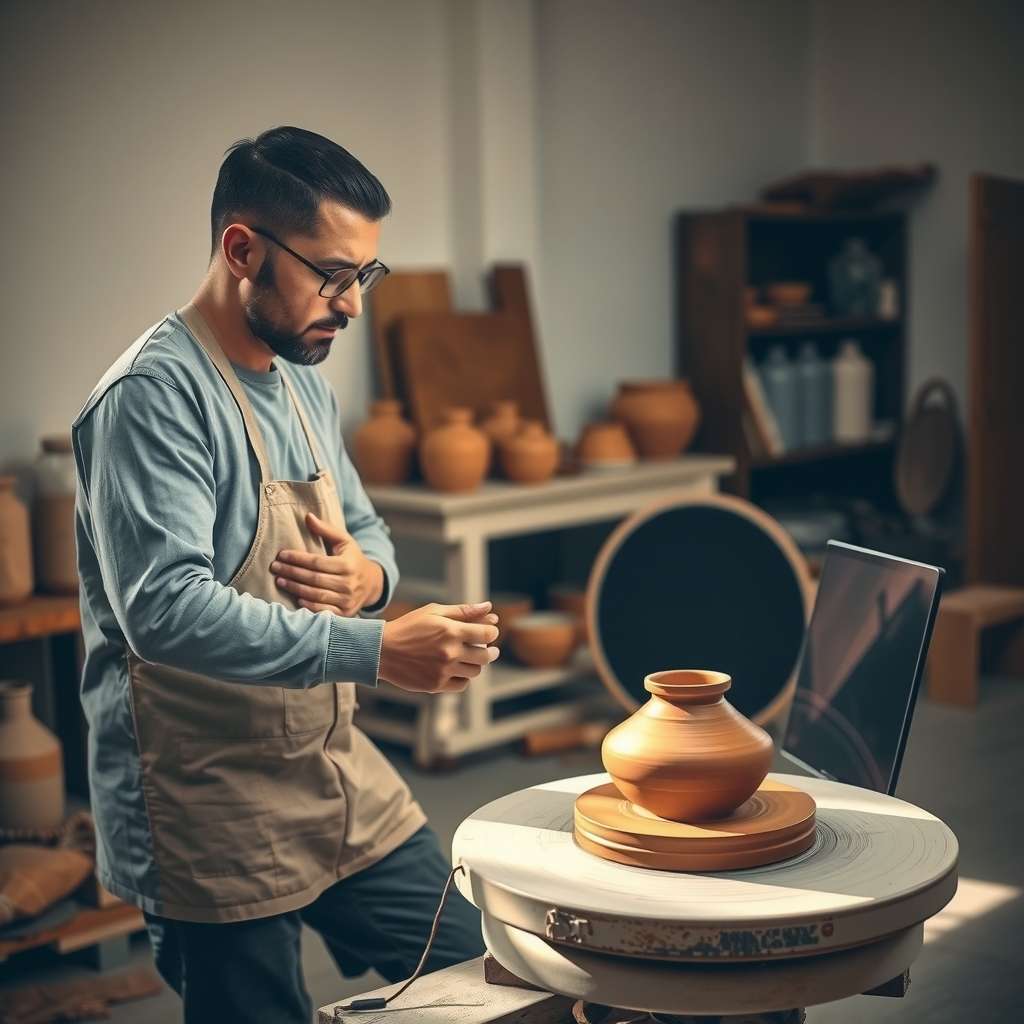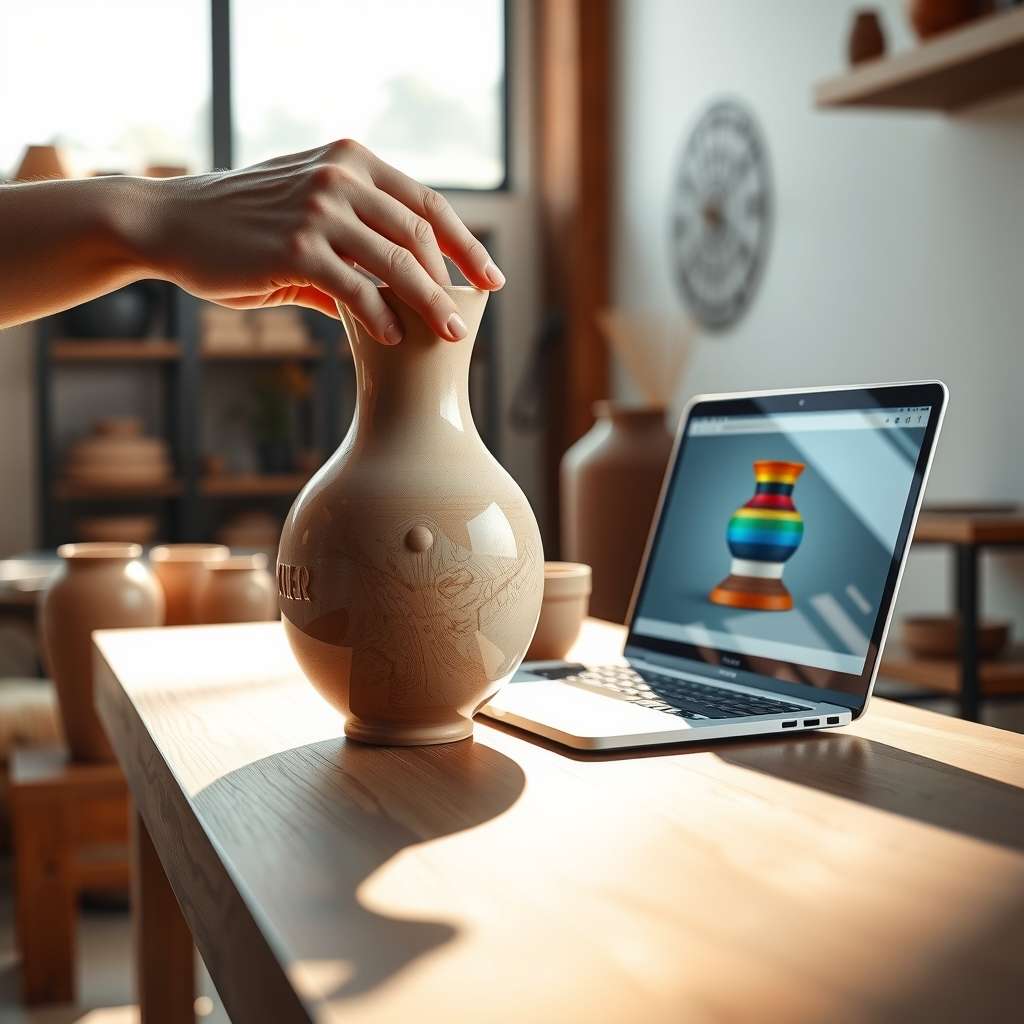
When you think of ceramics, you might picture delicate artistry or sturdy kitchenware. Yet behind every flawless piece lies a rigorous system that guarantees consistency, safety, and performance. At the heart of that system is ceramic quality control, a discipline that transforms raw clay into reliable products. In an era where consumers demand durability, safety, and aesthetic perfection, our unwavering commitment to ceramic quality control sets us apart. This article explores seven powerful reasons why we never compromise, revealing how each step protects your investment and enhances the ceramic experience.
1. Unmatched Durability Through Rigorous Testing
Durability is the cornerstone of any ceramic product. Our ceramic quality control process starts with precision stress tests that simulate real‑world conditions. By subjecting samples to temperature fluctuations, impact forces, and chemical exposure, we identify potential weaknesses before they become failures. These tests ensure that every batch meets industry standards and our own stringent durability benchmarks.
Precision Stress Tests
During precision stress tests, we use high‑speed cameras and pressure sensors to capture micro‑fractures that may not be visible to the naked eye. This data informs our material selection and firing schedules, allowing us to fine‑tune the ceramic composition for maximum resilience. The result is a product that can withstand daily use, heavy traffic, and harsh environments.
Long‑Term Wear Analysis
Long‑term wear analysis involves accelerated aging protocols where ceramics are cycled through thousands of temperature changes in a fraction of the time. This process reveals how the glaze and body react over extended periods, ensuring that the final product will retain its strength and appearance for years. By incorporating this analysis into our ceramic quality control workflow, we guarantee longevity and customer satisfaction.
2. Consistent Glaze and Color Fidelity
Color and glaze consistency are vital for both functional and aesthetic reasons. Variations can lead to mismatched sets, customer complaints, and costly recalls. Our ceramic quality control strategy employs advanced spectrophotometry to monitor glaze batches in real time, ensuring that every piece matches the approved color profile.
Real-Time Spectrophotometry
Real‑time spectrophotometry captures the exact hue, saturation, and brightness of each glaze batch. By comparing these readings against a master reference, our technicians can immediately adjust the formulation, preventing color drift. This precision eliminates the risk of producing off‑color items and maintains brand integrity.
Batch Sampling and Statistical Process Control
We implement statistical process control (SPC) to analyze glaze quality across production lines. By sampling multiple units per batch and plotting control charts, we detect deviations early and correct them before they affect the entire run. This rigorous approach is a key component of our ceramic quality control philosophy.
3. Safety Assurance for Every Consumer
Safety is non‑negotiable in ceramics, especially for items used in kitchens, bathrooms, and medical environments. Our ceramic quality control process includes comprehensive safety testing for lead content, glaze flammability, and chemical leaching. These tests ensure that every product meets or exceeds global safety regulations.
Lead and Heavy Metal Analysis
Using inductively coupled plasma mass spectrometry (ICP‑MS), we quantify trace metals in each batch. Any sample exceeding the regulatory threshold triggers an immediate halt to production and a review of raw materials. This meticulous scrutiny safeguards consumer health and protects our brand reputation.
Flammability and Thermal Shock Testing
Thermal shock tests expose ceramics to rapid temperature changes to assess their resistance to cracking. Coupled with flammability assessments, these tests confirm that our products can safely endure everyday use, from boiling water to microwave heating.
4. Environmental Sustainability and Compliance
Modern consumers and regulators demand eco‑responsible manufacturing. Our ceramic quality control framework incorporates sustainability metrics, such as energy consumption per unit, waste reduction rates, and recyclable material usage. By embedding these metrics into every stage of production, we not only reduce our footprint but also provide transparent data to stakeholders.
Energy Efficiency Audits
We conduct regular energy audits to optimize kiln schedules, reduce firing times, and lower greenhouse gas emissions. These audits feed into our ceramic quality control database, allowing continuous improvement and cost savings.
Waste Minimization Protocols
Our waste minimization protocols involve recycling kiln dust, repurposing defective pieces, and implementing closed‑loop water systems. Each initiative is tracked and verified through our quality control records, ensuring compliance with environmental standards.
5. Traceability and Documentation for Full Transparency
Traceability is essential for accountability and rapid response to any post‑market issues. Our ceramic quality control system assigns unique identifiers to every batch, kiln cycle, and finished product. This granular documentation enables us to trace any defect back to its root cause within hours.
Digital Batch Management
Digital batch management systems capture real‑time data from sensors, laboratory results, and production logs. Every entry is time‑stamped, signed, and stored in an immutable database, providing a clear audit trail for regulatory inspections and internal reviews.
Rapid Recall Capability
In the unlikely event of a defect, our traceability framework allows us to identify affected units quickly, notify customers, and