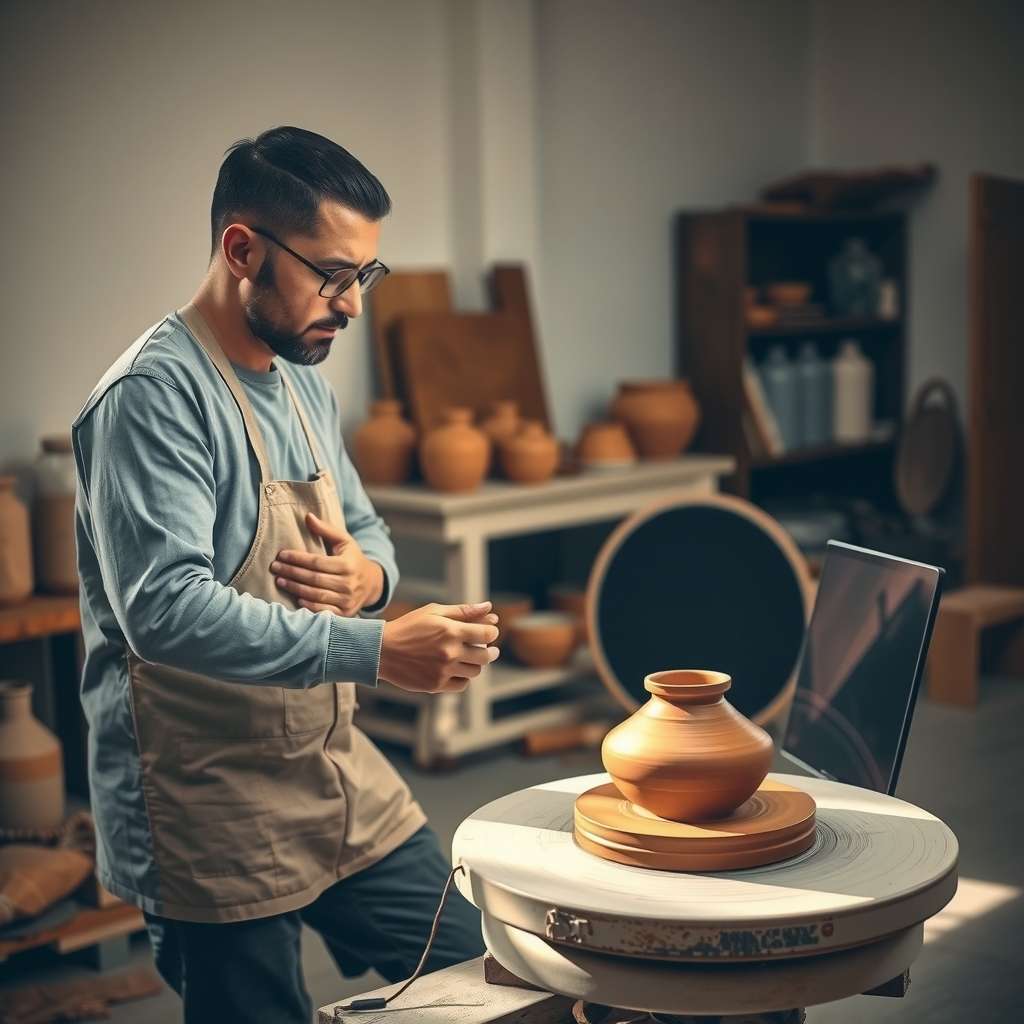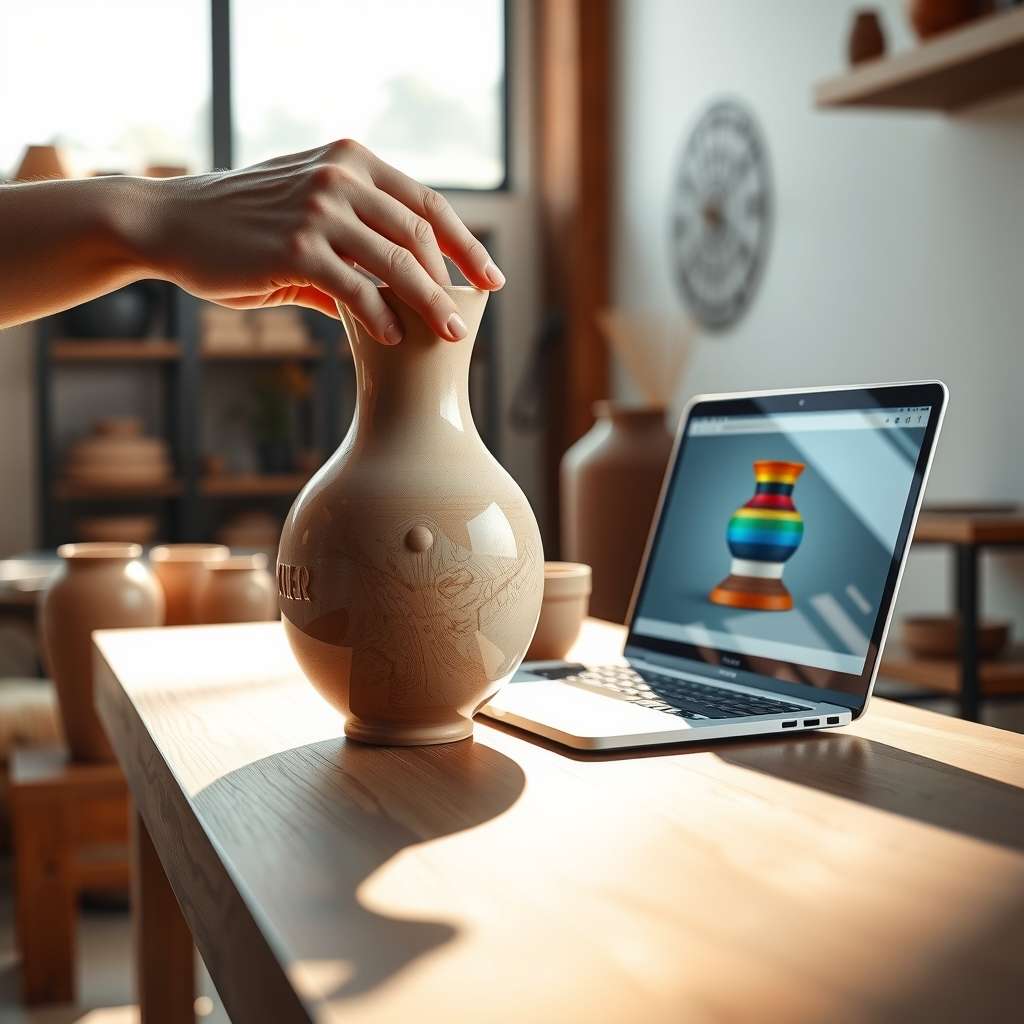
In a world where digital screens dominate our everyday experience, the allure of ancient techniques has never felt more relevant. From the intricate latticework of Moorish architecture to the time‑tested principles of stone masonry, these age‑old methods carry a depth of craftsmanship that modern tools alone cannot replicate. When we weave ancient techniques modern design into contemporary projects, we unlock a dialogue between past and present, creating spaces that resonate with authenticity while meeting today’s functional demands. This fusion not only preserves cultural heritage but also offers fresh, sustainable solutions that address the challenges of the 21st‑century design landscape.
Why should architects, designers, and homeowners care about integrating ancient wisdom into modern aesthetics? Because the most compelling designs are those that tell a story—stories of resilience, ingenuity, and the human desire to create. By marrying ancient techniques modern design, we tap into proven durability, environmental harmony, and a sense of place that digital prototypes often lack. Moreover, this blend enhances user experience, fosters emotional connection, and elevates the brand value of products and buildings alike. In essence, it’s a pathway to design that feels both timeless and forward‑looking.
Throughout this article, we’ll explore seven distinct ways we blend ancient techniques modern design to create functional, sustainable, and visually striking outcomes. From digital fabrication of traditional motifs to adaptive reuse of historic structures, each method demonstrates how heritage can inform innovation. By the end, you’ll have a toolkit of strategies to incorporate into your next project, ensuring it stands out for its depth, quality, and cultural resonance.
1. Reviving Traditional Craftsmanship with Digital Tools
The first step in blending ancient techniques modern design is to reintroduce traditional craftsmanship into the digital workflow. Modern CAD and BIM software now allow designers to capture the nuanced geometry of hand‑carved stone, wood joinery, or textile patterns with unprecedented precision. By scanning existing artifacts and converting them into parametric models, we preserve the authenticity of ancient techniques while enabling rapid iteration and customization. This approach ensures that each element—be it a façade panel or an interior mold—retains the tactile quality of its handcrafted predecessor.
Digital tools also democratize access to these time‑tested methods. A small workshop can now produce a series of laser‑cut wooden panels that echo the grain patterns of a 17th‑century guild. The result is a hybrid product that feels artisanal yet benefits from the consistency and scalability of modern production. Moreover, the ability to simulate environmental loads in real time ensures that the final structure meets contemporary safety standards without compromising its historical aesthetic.
- High‑resolution 3D scanning of traditional motifs
- Parametric modeling to adapt designs for modern use
- Laser cutting and CNC routing for precise replication
- Simulation of structural integrity and material performance
- Integration into BIM for holistic project coordination