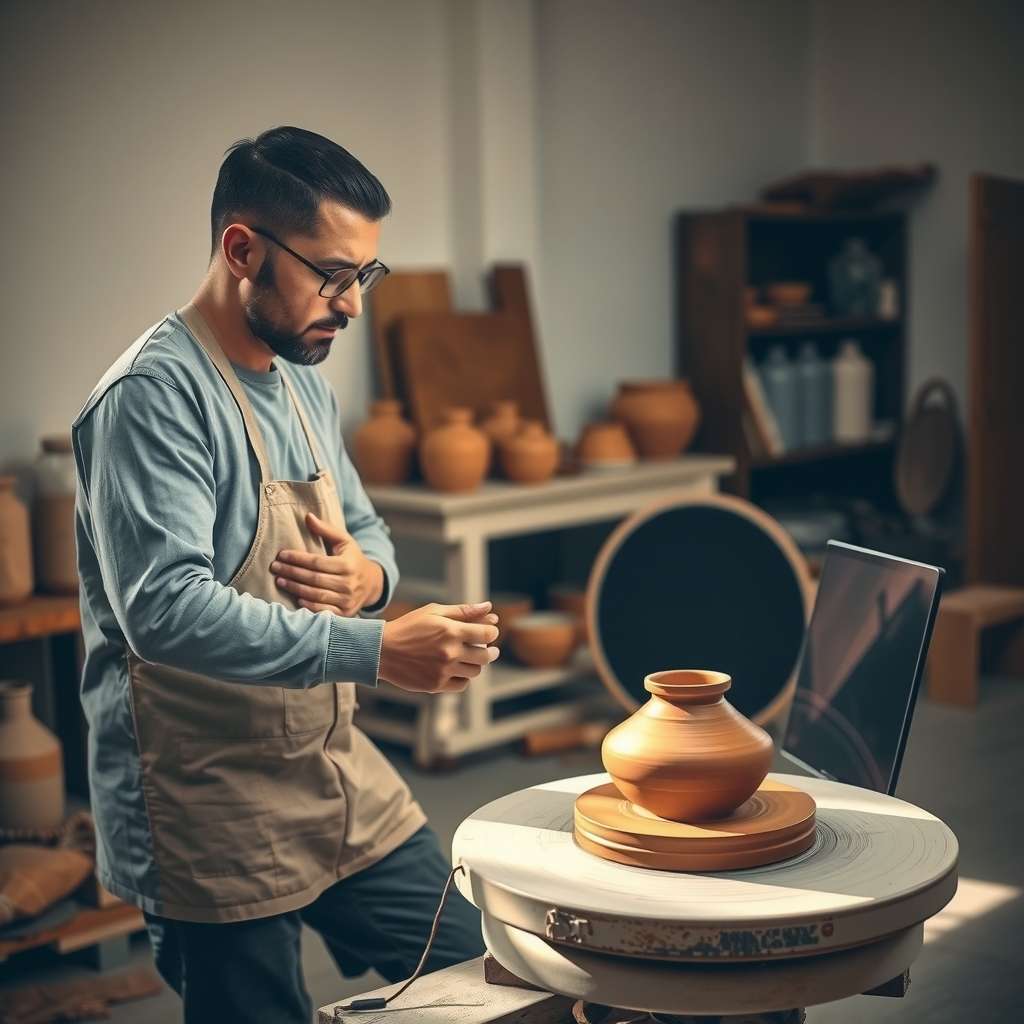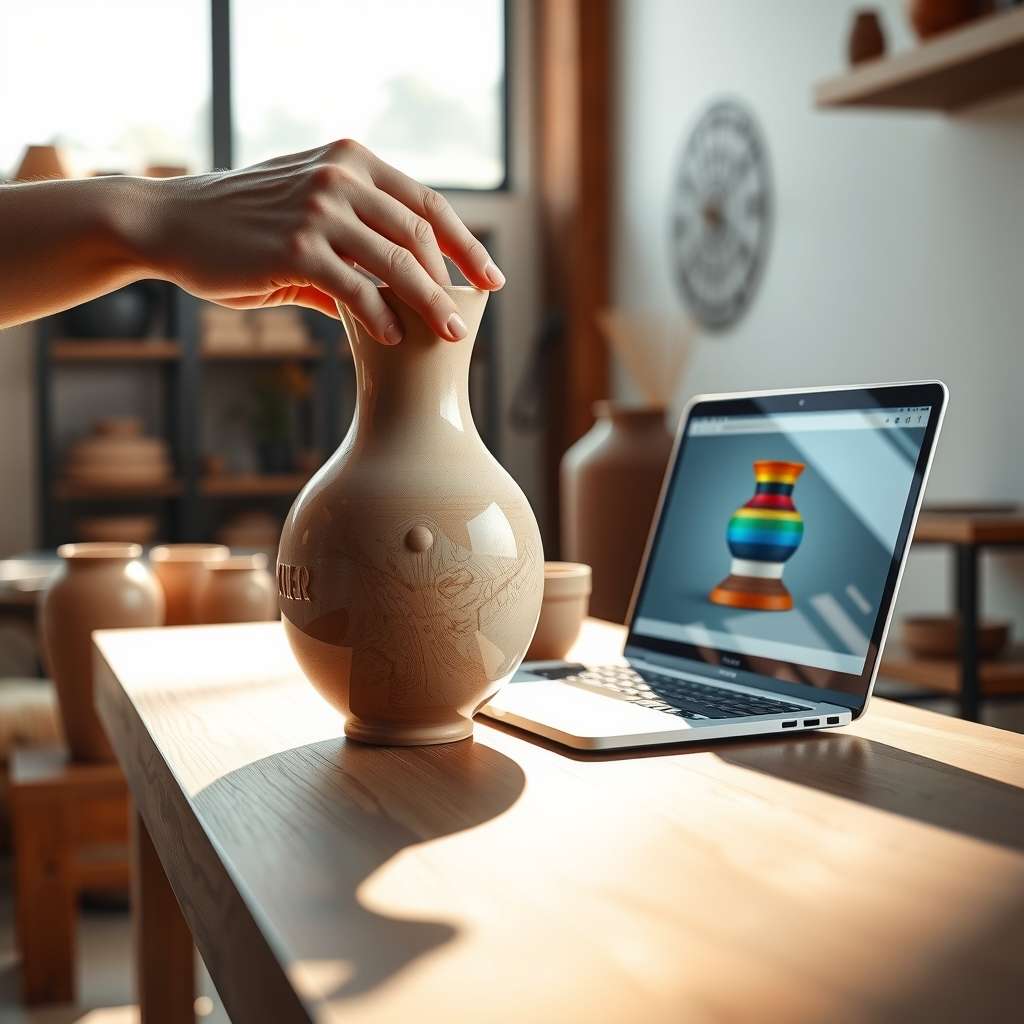
When a potter shapes clay by hand, every movement, twist, and press leaves a subtle imprint on the surface. In recent years, the practice of intentionally incorporating a handmade pottery fingerprint has moved from a novelty to a celebrated hallmark of authenticity and artistry. This technique turns ordinary ceramics into personalized masterpieces that resonate with collectors, interior designers, and everyday users alike. By embedding a fingerprint into the glaze or body of the piece, artists can convey a story, showcase skill, and create an aura of exclusivity that sets their work apart in a crowded market.
For those who have yet to explore this unique form of expression, the idea may seem simple—just press your hand into wet clay. However, mastering the art of the handmade pottery fingerprint requires a deep understanding of clay behavior, glaze chemistry, and the emotional language of human touch. The result is a tactile narrative that invites viewers to feel the maker’s presence, making each vessel not just a functional object but a piece of living history.
In this article, we’ll explore seven compelling reasons why every handmade pottery fingerprint matters. From enhancing visual appeal to boosting market value, you’ll discover how this intimate detail transforms ordinary ceramics into unforgettable works of art.
1. Adds a Personal Touch to Every Piece
One of the most immediate benefits of a handmade pottery fingerprint is the personal connection it establishes between the maker and the viewer. In a world saturated with mass-produced items, a fingerprint serves as a unique signature, a silent declaration that this piece was crafted by a human hand.
Why Personalization Matters in Handcrafted Ceramics
Personalization has long been a hallmark of artisanal goods. When customers feel they own something that carries the maker’s identity, the perceived value skyrockets. A handmade pottery fingerprint transforms a utilitarian mug into a keepsake that carries the maker’s story, enhancing emotional attachment.
How Fingerprints Become Signature Marks
Unlike a stamped logo, a fingerprint is impossible to replicate precisely. Each set of ridges, valleys, and pressure points is distinct, making it a natural, unforgeable signature. This uniqueness encourages collectors to seek out pieces with visible fingerprints, turning them into coveted items in secondary markets.
2. Enhances the Visual Appeal with Organic Patterns
Beyond the emotional resonance, fingerprints introduce an organic pattern that adds depth and intrigue to ceramic surfaces. The natural variation in ridge patterns creates a subtle texture that interacts beautifully with glaze colors and finishes.
Natural Texture vs. Mechanical Design
Mechanical designs often rely on repetitive, predictable patterns. In contrast, a handmade pottery fingerprint offers irregularity that mimics the unpredictability of nature. This organic texture can make a simple bowl feel like a piece of abstract art.
Combining Fingerprints with Glaze Techniques
Artists frequently pair fingerprints with matte or satin glazes, allowing the ridges to catch light differently than the surrounding surface. When a glaze is applied over a fingerprint, the raised ridges can create a subtle shadow effect, adding a three-dimensional quality that captivates the eye.
3. Connects the Artist and the Viewer on an Emotional Level
The human skin is a complex organ, and its unique patterns evoke a sense of intimacy. When a viewer sees their own or someone else’s fingerprint on a pot, it sparks recognition and curiosity, bridging the gap between creator and consumer.
The Psychology of Human Imprints
Research in cognitive psychology suggests that people are naturally drawn to familiar patterns. A fingerprint, being a personal mark, triggers a sense of safety and trust, making the artwork more memorable and emotionally resonant.
Storytelling Through Fingerprint Art
Potters can embed stories into their pieces by using specific fingerprints to represent family members, mentors, or significant life moments. This narrative layer turns a functional object into a storytelling medium, enriching its cultural value.
4. Demonstrates Skill and Mastery in Handbuilding
Leaving a clean, crisp fingerprint on wet clay requires precision. The artist must control the pressure, angle, and timing to achieve a desirable imprint without compromising the structural integrity of the piece.
Precision in Pressing and Smoothing
To create a clear handmade pottery fingerprint, the potter presses the palm or fingertips gently