When a client walks into a design studio, the first question often isn’t “What color should the walls be?” but rather, “Do we go custom-made or mass-produced?” This dilemma sits at the heart of modern interior design, where the clash between individuality and efficiency creates both tension and opportunity. Understanding the nuances of custom-made vs mass-produced interior design can transform a generic space into a signature statement, while also influencing budget, timeline, and sustainability. In this ultimate guide, we’ll unpack the core differences, explore why designers gravitate toward bespoke solutions, and provide a clear roadmap for making the right choice for any project.
Understanding the Basics of Custom-Made and Mass-Produced Interior Design
What Is Custom-Made?
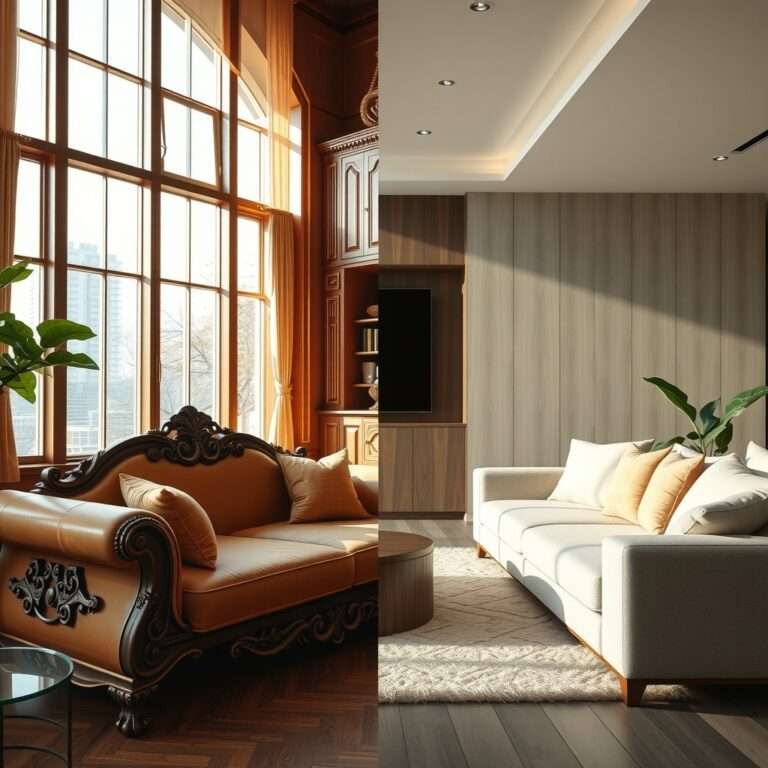
Custom-made interior design refers to pieces that are created from scratch to meet a client’s exact specifications. From hand‑crafted wooden tables to tailor‑made upholstery, every element is designed, sourced, and fabricated with the client’s lifestyle, aesthetic preferences, and functional needs in mind. This approach often involves close collaboration with artisans, manufacturers, and the designer, ensuring that the final product reflects a unique narrative rather than a generic template. The result is a space that feels personal, purposeful, and often timeless.
What Is Mass-Produced?
Mass-produced interior design relies on standardized, off‑the‑shelf items that are manufactured at scale. These products are typically designed for broad appeal, cost efficiency, and rapid distribution. While mass-market furniture and décor can be attractive for tight budgets and quick turnarounds, they often sacrifice the nuanced details that make a space feel truly curated. The trade‑off is clear: convenience and affordability versus individuality and craftsmanship.
| Aspect | Custom-Made | Mass-Produced |
|---|---|---|
| Design Process | Collaborative, tailored to client | Standardized, limited options |
| Production Time | Weeks to months | Days to weeks |
| Cost | Higher upfront investment | Lower price point |
| Quality & Longevity | Handcrafted, durable | Variable, often lower durability |
| Environmental Impact | Often sustainable, local sourcing | Higher carbon footprint, mass material use |
Why Interior Designers Favor Bespoke Solutions
Designers consistently choose bespoke over mass-produced because a custom approach aligns with the core values of the profession: creativity, problem‑solving, and delivering unique experiences. When a designer can control every detail—from material selection to finish—there is a greater opportunity to craft a cohesive narrative that resonates with the client’s identity. Moreover, bespoke pieces often become conversation starters, adding depth and personality that mass-market items simply cannot replicate.
- Creative Freedom: No design constraints imposed by pre‑made dimensions or styles.
- Client Loyalty: Tailored solutions increase client satisfaction and referrals.
- Brand Differentiation: Bespoke projects showcase a designer’s expertise and signature style.
- Long‑Term Value: Custom pieces retain value and can become heirloom items.
Quality, Craftsmanship, and Longevity
One of the most compelling arguments in the custom-made vs mass-produced interior design debate is the difference in quality. Hand‑crafted furniture typically uses superior woods, solid metals, and high‑grade fabrics, all selected for durability and aesthetic appeal. Skilled artisans apply techniques honed over generations, resulting in joinery, stitching, and finishes that can outlast cheaper, mass‑produced counterparts. While a mass-produced sofa may need replacement after five years, a custom sofa built with kiln‑dried hardwood frames and top‑grade upholstery can endure for decades, providing both economic and emotional returns.
Personalization and Client Experience
Personalization is at the heart of bespoke interior design. When a client expresses a desire for a specific mood—perhaps a tranquil, coastal vibe or a bold, industrial edge—a custom approach allows the designer to translate those emotions into tangible elements. From selecting a rare marble slab for a kitchen island to commissioning a one‑of‑a‑kind mural, each decision reinforces the client’s story. This level of involvement not only enhances the user experience but also creates a stronger emotional bond between the space and its occupants.
- Tailor‑made dimensions fit irregular spaces perfectly.
- Unique materials reflect personal taste (e.g., reclaimed barn wood).
- Custom finishes can incorporate family heirlooms or cultural motifs.
- Design iterations foster collaboration and trust.
Cost Considerations: Short-Term vs Long-Term Investment
Budget is a practical factor that can tip the scales in the custom-made vs mass-produced interior design equation. While mass-produced items often appear cheaper at first glance, the hidden costs of replacement, maintenance, and lack of durability can add up. Conversely, custom-made pieces may require a larger initial outlay, but their longevity and timeless appeal often translate into lower total cost of ownership. Designers must help clients view the purchase through a long‑term lens, emphasizing value over price.
- Initial Outlay: Custom pieces command higher upfront costs.
- Maintenance: Hand‑crafted items are easier to repair.
- Resale Value: Bespoke furniture retains higher resale potential.
- Depreciation: Mass‑produced items depreciate quickly.
Sustainability and Environmental Impact
In today’s eco‑conscious market, sustainability can be a decisive factor in the custom-made vs mass-produced interior design discussion. Bespoke projects often source locally, use reclaimed or responsibly harvested materials, and generate less waste because each piece is made to order. Mass‑produced furniture, by contrast, typically involves large‑scale factories, extensive shipping, and disposable packaging, all of which increase carbon footprints. Designers who prioritize green credentials will naturally lean toward custom solutions that align with sustainable practices.
- Local sourcing reduces transportation emissions.
- Reclaimed materials divert waste from landfills.
- Hand‑crafted processes consume less energy than automated mass production.
- Custom pieces can be designed for disassembly and recycling.
Case Studies: Real‑World Examples of Custom‑Made Success
Seeing theory in action helps clarify the advantages of bespoke design. Below are two brief case studies that illustrate how the right choice in the custom-made vs mass-produced interior design debate can dramatically elevate a project.
Case Study 1: Luxury Urban Loft
A New York client wanted a loft that blended industrial grit with warm, artisanal touches. The designer sourced a custom steel‑frame bookshelf, hand‑carved walnut panels, and a reclaimed brick accent wall. While the mass‑produced alternatives would have fit the budget, they lacked the tactile richness the client desired. The bespoke approach resulted in a space that felt both modern and timeless, leading to a 30% increase in the property’s resale value after three years.
Case Study 2: Sustainable Coastal Villa
A coastal villa in Bali required furniture that could withstand humidity while reflecting the local culture. The designer partnered with a regional artisan to create custom rattan loungers, a bamboo dining table, and a woven ceiling canopy. By opting for locally sourced, handcrafted pieces, the project reduced shipping emissions by 70% compared to mass‑produced imports. The client reported higher satisfaction and a stronger sense of place, proving that sustainability and style can coexist.
Common Misconceptions About Mass‑Produced Interiors
Many designers and clients hold outdated beliefs about mass‑produced interiors. Dispelling these myths helps clarify when a custom approach truly adds value.
- Myth 1: Mass‑produced equals low quality. Reality: Some high‑end brands mass‑produce with rigorous quality control.
- Myth 2: Custom is always expensive. Reality: Strategic sourcing and modular design can lower custom costs.
- Myth 3: Mass‑produced items lack style. Reality: Trend‑forward collections can be stylish but may lack uniqueness.
- Myth 4: Custom pieces take forever. Reality: Advanced digital fabrication can speed up production.
How to Choose the Right Approach for Your Project
Making an informed decision between custom-made and mass‑produced solutions requires a systematic evaluation. Follow these steps to guide your choice.
- Define Project Goals: Is uniqueness or speed the priority?
- Assess Budget Constraints: Determine the financial flexibility for upfront versus long‑term costs.
- Evaluate Space Requirements: Irregular dimensions often necessitate custom solutions.
- Consider Sustainability Targets: Align material choices with environmental goals.
- Consult with Stakeholders: Gather input from clients, contractors, and artisans.
- Prototype Where Possible: Use 3D renders or mock‑ups to visualize custom pieces.
- Finalize Timeline: Match production lead times with project milestones.
Future Trends: Hybrid Approaches and Digital Customization
The line between custom-made and mass‑produced interior design is blurring thanks to technology. Digital manufacturing, such as CNC routing and 3D printing, allows designers to create semi‑custom pieces at scale, offering a blend of personalization and efficiency. Subscription‑based furniture services also provide modular, customizable options that can be swapped as needs evolve. These hybrid models give designers the flexibility to meet tight budgets while still delivering a degree of uniqueness that pure mass‑production cannot achieve.
- Parametric design tools generate endless variations from a single model.
- On‑demand factories reduce inventory waste.
- Augmented reality helps clients visualize custom pieces before production.
- Smart materials adapt to environmental conditions, adding functional value.
Conclusion: Making the Informed Choice
The debate of custom-made vs mass-produced interior design is not about declaring a universal winner; it’s about aligning the right solution with the client’s vision, budget, and values. Bespoke offers unmatched personalization, superior craftsmanship, and long‑term value, while mass‑produced provides speed, affordability, and accessibility. By weighing quality, sustainability, cost, and timeline, designers can craft spaces that feel authentic, functional, and enduring.
Ready to transform your space with the perfect balance of custom and ready‑made? Contact our expert team today and let’s start designing a home that tells your unique story.