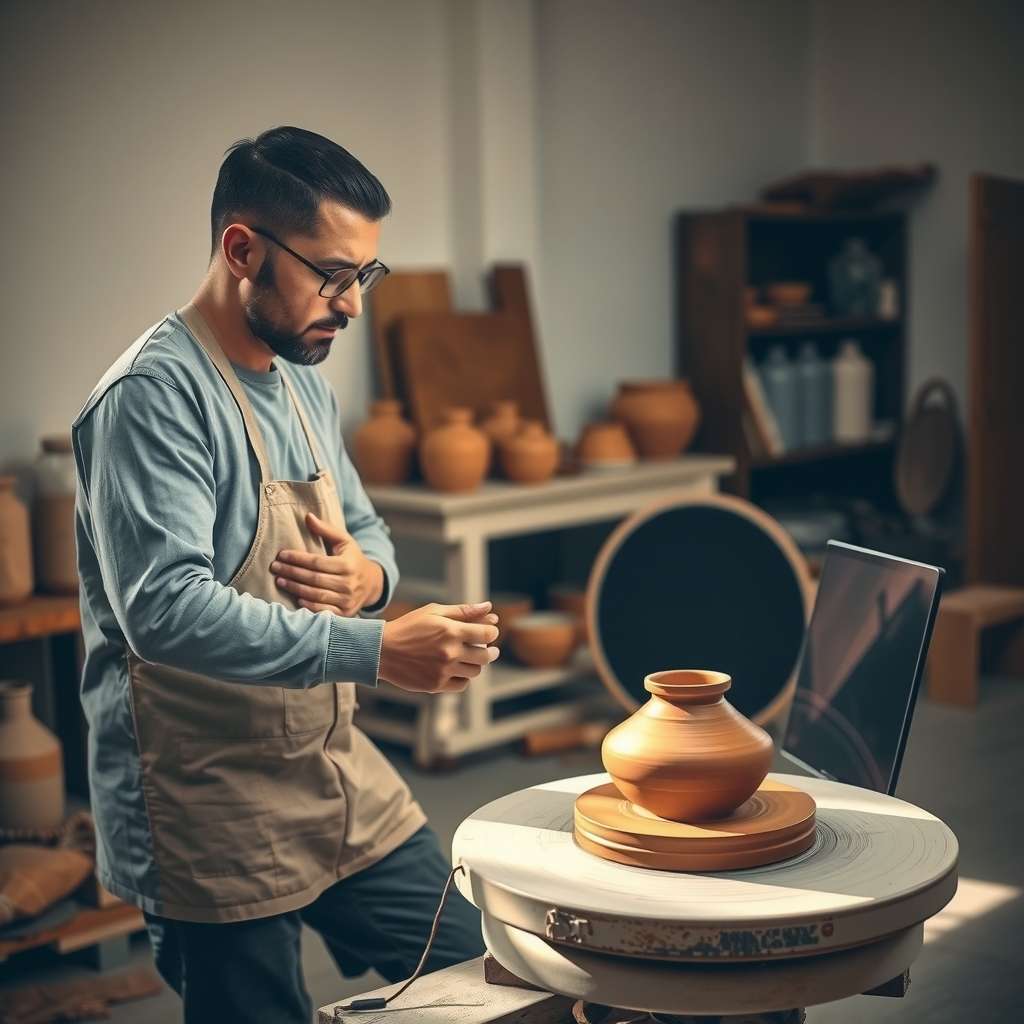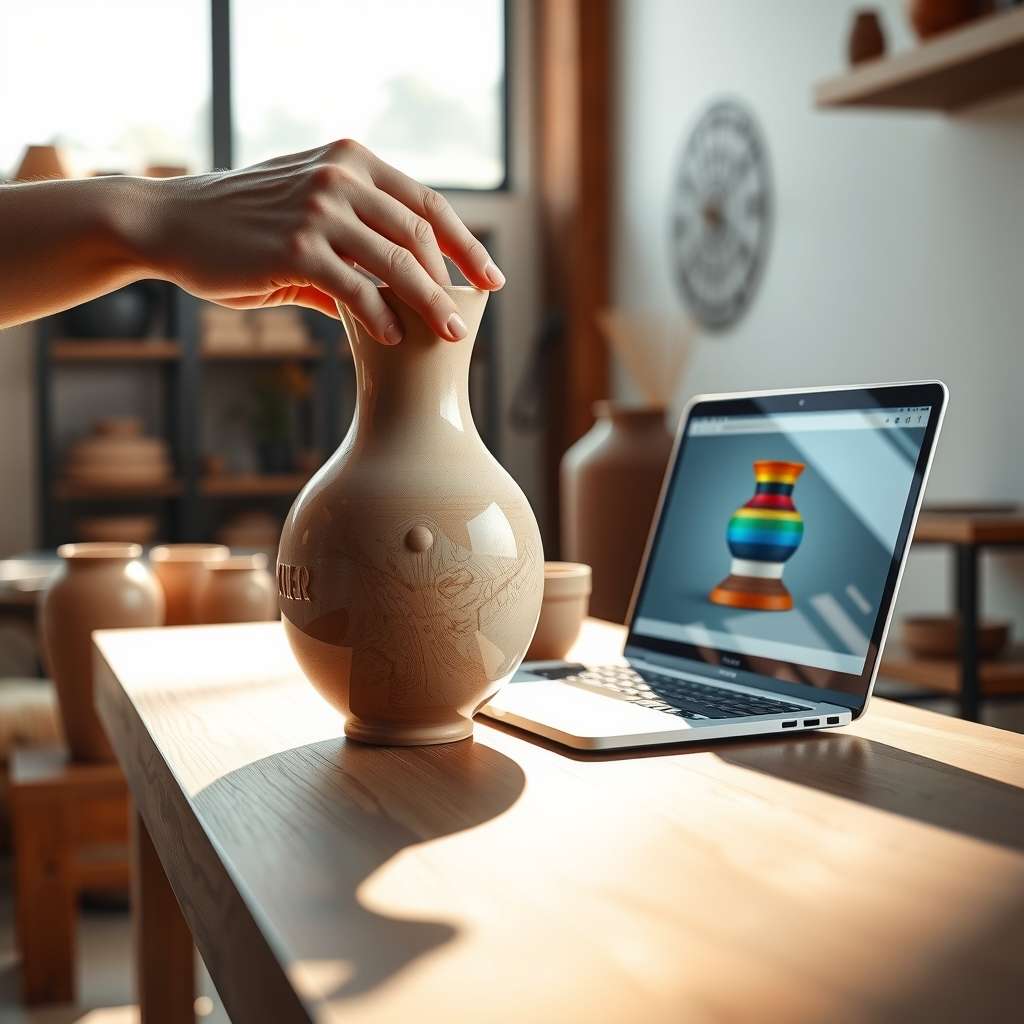
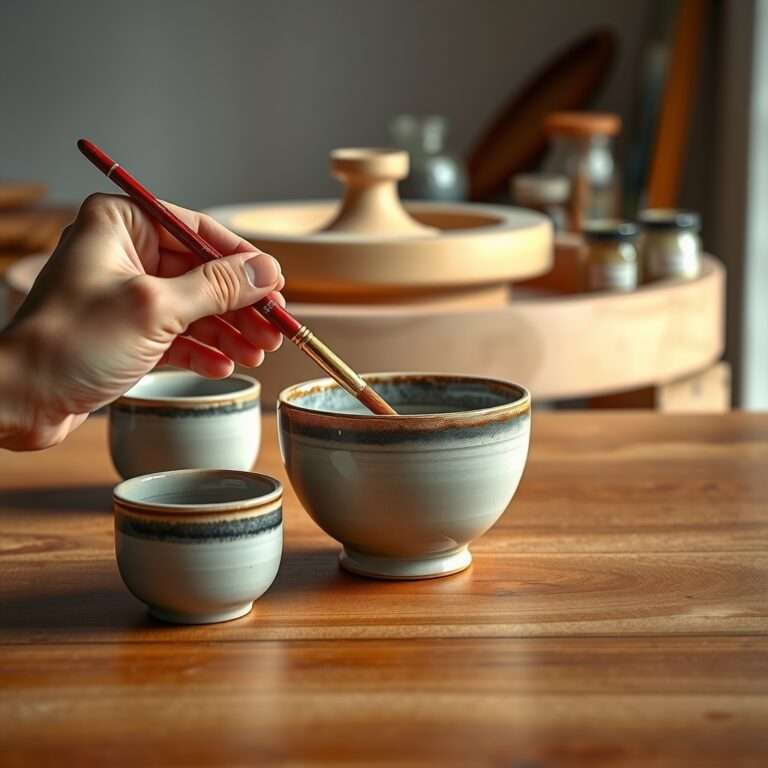
Imagine sipping your morning coffee from a mug that perfectly reflects your personality, or serving a dinner on plates that tell your family’s story. That vision becomes reality through custom ceramic set design, a process that blends artistry, function, and personal expression. In 2026, more homeowners and designers are turning to bespoke pottery to create memorable experiences. This guide walks you through every stage—from concept to care—so you can design a ceramic set that is truly yours.
Understanding the Basics of Custom Ceramic Set Design
Before you dive into sketches and clay, it’s essential to grasp what custom ceramic set design actually entails. Unlike mass‑produced dinnerware, a custom set is handcrafted to match your aesthetic, lifestyle, and functional needs. It can include mugs, bowls, plates, serving dishes, and even decorative pieces, all coordinated under a single design language.
What Is a Ceramic Set?
A ceramic set typically comprises a cohesive group of pottery items that share a common shape, glaze, or decorative motif. Whether you need a minimalist white collection or a vibrant, patterned series, the set should feel unified while allowing each piece to shine in its intended role.
Why Choose Custom Design?
- Personal expression – your style, colors, and stories are built into every piece.
- Perfect fit – dimensions and ergonomics tailored to your hands and table.
- Unique value – handcrafted items often become heirlooms.
- Quality control – you oversee material choices and finishing techniques.
Planning Your Dream Ceramic Set
Successful custom ceramic set design starts with solid planning. This phase clarifies your goals, budget, and sources of inspiration, ensuring the final collection meets both aesthetic and practical expectations.
Defining Purpose and Function
Ask yourself: Will the set be used daily, reserved for special occasions, or displayed as art? Consider the types of meals you serve, the number of guests you entertain, and any accessibility needs. A functional set might prioritize stackability and dishwasher safety, while a decorative set can explore more daring forms and textures.
Setting a Budget
Custom pottery can range from $150 for a small set to several thousand dollars for a fully bespoke collection. Break down costs into categories—materials, labor, studio fees, and finishing touches—so you can allocate resources wisely. Remember that higher‑quality clays and hand‑applied glazes often justify a higher price point.
Gathering Inspiration
Collect images from design magazines, Pinterest boards, or travel souvenirs. Note color palettes, surface patterns, and shapes that resonate with you. Creating a mood board helps you and your artisan translate abstract ideas into tangible design elements.
Choosing the Right Materials and Techniques
The heart of any custom ceramic set design lies in material selection. Different clays, glazes, and forming methods dramatically affect texture, durability, and visual impact.
Types of Clay
| Clay Type | Key Characteristics | Best For |
|---|---|---|
| Stoneware | Durable, dense, low porosity | Everyday dinnerware |
| Porcelain | Fine grain, translucent, smooth | Elegant, formal settings |
| Earthenware | Porous, warm tones, lower firing temp | Rustic, decorative pieces |
Glaze Options
- Glossy glazes – high sheen, easy to clean, vibrant colors.
- Matte glazes – soft, subtle finish, modern aesthetic.
- Engobes – colored slip applied before glazing for layered effects.
- Underglazes – detailed hand‑painting, ideal for intricate patterns.
Forming Methods
Each technique brings its own set of possibilities:
- Hand‑building – coil, slab, and pinch methods allow organic shapes.
- Wheel‑throwing – produces symmetrical, refined forms quickly.
- Slip casting – ideal for replicating complex designs in multiple copies.
Sketching and Digital Design
Translating ideas into drawings bridges imagination and execution. Whether you prefer pen‑and‑paper or 3D software, clear visuals help your artisan understand every nuance of the custom ceramic set design process.
Hand Sketches
Start with quick thumbnails to explore silhouette, handle placement, and rim thickness. Refine the best concepts into detailed line drawings, noting dimensions and any decorative zones.
3D Modeling Software
Tools like SketchUp, Rhino, or Blender let you create realistic renderings, test ergonomics, and even simulate glaze behavior. Exporting STL files can be useful if you plan to prototype with a 3D printer before committing to clay.
Creating Technical Drawings
Technical drawings include exact measurements, wall thickness, and tolerances. Provide these to your studio to avoid miscommunication and reduce the need for revisions during production.
Prototyping Your Design
A prototype acts as a physical proof‑of‑concept. It reveals how the design feels in the hand, how glazes react, and whether any adjustments are needed before full production.
Creating a Test Piece
Ask your artisan to produce a single sample of each key item—one mug, one bowl, and one plate. This “minimum viable pottery” approach saves time and money while delivering valuable feedback.
Evaluating Form and Function
- Comfort – Does the handle fit comfortably?
- Stability – Does the base sit level without wobbling?
- Capacity – Does the bowl hold the intended volume?
- Visual Appeal – Does the glaze achieve the desired hue?
Iterate based on findings, then move to the final run.
Working with a Ceramic Studio or Artisan
Collaboration is the cornerstone of successful custom ceramic set design. Choosing the right partner ensures your vision is executed with skill and professionalism.
Finding the Right Partner
Research local studios, attend pottery fairs, and review portfolios. Look for artisans who have experience with the specific style or technique you desire. Ask for references and view finished pieces in person.
Communicating Your Vision
Provide a comprehensive brief that includes mood boards, technical drawings, material preferences, and a timeline. Regular check‑ins—via email, video calls, or studio visits—keep the project on track.
Contracts and Timelines
Formal agreements protect both parties. Include clauses for revisions, payment schedule, ownership of design rights, and delivery dates. A typical timeline for a small 6‑piece set spans 8–12 weeks from concept to final firing.
Production Process Step‑by‑Step
Below is a detailed roadmap of the production phase for a custom ceramic set design. Follow each step closely to maintain quality and consistency.
- 1. Preparing the Clay – Wedging removes air bubbles and aligns particles for uniform strength.
- 2. Shaping – Artisans throw, hand‑build, or cast each piece according to the technical drawings.
- 3. Drying – Pieces reach leather‑hard stage, allowing for trimming, carving, or adding handles.
- 4. Bisque Firing – First firing (typically 1,800°F / 982°C) solidifies the clay, making it porous enough to accept glaze.
- 5. Glazing – Apply chosen glazes by dipping, brushing, or spraying. Multiple layers may be used for depth.
- 6. Final Firing – A second, higher temperature firing (2,300°F / 1,260°C for stoneware) vitrifies the glaze and strengthens the piece.
- 7. Quality Check – Inspect for cracks, glaze defects, and dimensional accuracy before packaging.
Quality Assurance and Finishing Touches
Even after firing, a final review guarantees that your custom ceramic set design meets the highest standards.
Inspection Checklist
| Item | What to Look For | Action if Defective |
|---|---|---|
| Surface | Even glaze, no runs or pinholes | Re‑glaze and refire |
| Shape | Consistent dimensions, smooth edges | Trim or discard |
| Structural Integrity | No cracks or chips | Repair or replace |
| Fit | Handles comfortable, lids seal properly | Adjust design |
Adding Personal Details
Consider hand‑painting initials, embossing a family crest, or applying a subtle gold accent. These finishing touches elevate the set from functional to collectible.
Caring for Your Custom Ceramic Set
Proper maintenance preserves the beauty and longevity of your handcrafted pieces.
Cleaning Guidelines
- Hand‑wash with mild detergent and a soft sponge.
- Avoid abrasive cleaners that can scratch glaze.
- For stoneware, most pieces are dishwasher safe; porcelain may require gentle cycles.
Storage Tips
Stack plates with a soft cloth between them to prevent chipping. Store mugs upright to avoid stress on handles. Keep the set away from extreme temperature changes to prevent thermal shock.
Pricing and Value Considerations
Understanding cost drivers helps you make informed decisions about investment and resale value.
| Set Size | Material | Typical Price Range (USD) |
|---|---|---|
| 4‑piece (mugs + plates) | Stoneware | $200 – $450 |
| 6‑piece (including bowl) | Porcelain | $350 – $700 |
| 12‑piece (full dinner service) | Earthenware | $600 – $1,200 |
| Custom luxury (hand‑painted, limited edition) | Mixed | $1,500 – $4,000+ |
Frequently Asked Questions (FAQ)
Can I order a single piece or do I need a full set?
Most studios welcome both. A single custom mug can serve as a test run, while a full set often yields a discount due to shared molds and glazes.
How long does the entire process take?
From concept to final delivery, expect 8–12 weeks for a 6‑piece set. Larger collections may require 4–6 months, especially if multiple glaze firings are involved.
Is the design protected legally?
Yes. Include a clause in your contract stating that you retain intellectual property rights to the design, while the studio retains rights to the production method.
Can I request a specific glaze that isn’t in the studio’s catalog?
Absolutely. Many artisans can formulate custom glazes, though this may add 2–3 weeks and extra cost to the project.
What if a piece cracks after delivery?
Most reputable studios offer a warranty for manufacturing defects. Document the damage with photos and contact the studio within the warranty period for a replacement.
Conclusion
Designing a custom ceramic set design is a rewarding journey that blends creativity, craftsmanship, and personal storytelling. By following this 2026 step‑by‑step guide—understanding basics, planning meticulously, selecting the right materials, prototyping, collaborating with skilled artisans, and caring for the finished pieces—you’ll create a pottery collection that not only serves daily needs but also becomes a cherished heirloom.
Ready to bring your dream set to life? Contact our expert ceramic designers today for a free consultation, and let’s start shaping the perfect pieces for your home.