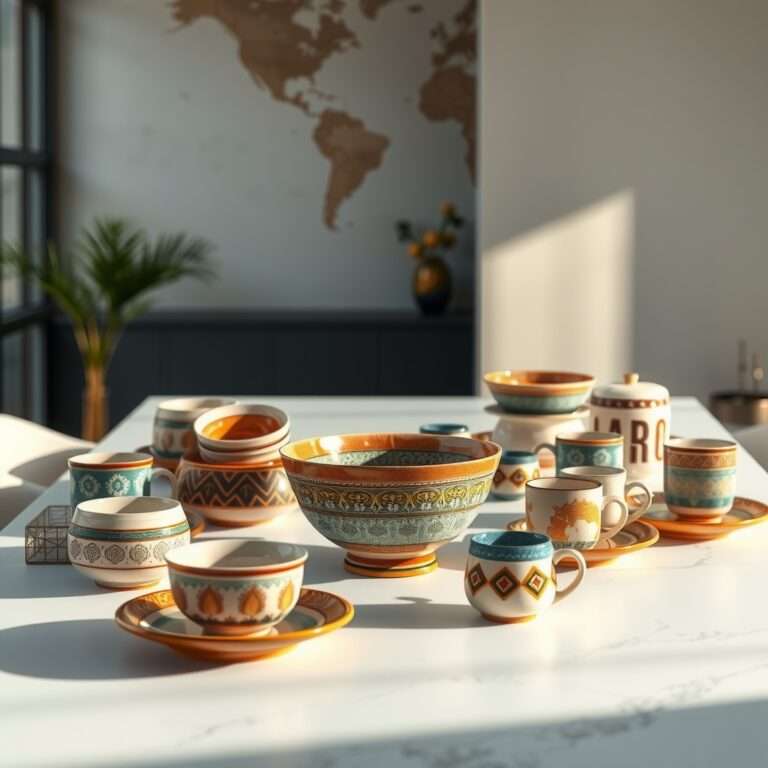
Imagine a dinner service that not only carries a meal but also tells a story—your brand’s story—across continents. In today’s hyper‑connected market, custom ceramic tableware has become a strategic asset for hotels, airlines, and luxury retailers looking to differentiate themselves on the global stage. Yet many businesses stumble when they try to blend aesthetics, functionality, and cultural relevance into a single product line. This guide reveals the seven design tips you need to create personalized ceramic tableware that resonates worldwide, meets rigorous safety standards, and stands out in a crowded marketplace.
1. Define the Project’s Core Objective and Audience
Before a single sketch is drawn, clarify the primary purpose of your custom ceramic tableware. Are you aiming to reinforce brand identity in boutique hotels, provide a memorable in‑flight experience for airline passengers, or offer a premium gift set for corporate clients? Understanding the end‑user influences every design decision—from size and shape to decorative motifs.
Ask yourself:
- What emotions do we want the user to feel when they touch the plate?
- Which cultural symbols will resonate without alienating any demographic?
- How will the tableware be used—formal banquets, casual buffets, or take‑away service?
Answering these questions early ensures that the custom ceramic tableware you develop aligns with business goals and delivers measurable ROI.
2. Choose the Right Clay Body and Glaze for International Standards
The foundation of any successful ceramic piece lies in its material composition. Different markets have varying regulations regarding lead content, food‑safe glazes, and durability. Selecting a high‑quality stoneware or porcelain body that meets EU REACH, US FDA, and Asian JIS standards protects your brand from compliance headaches.
| Material | Typical Uses | Key Benefits | Compliance Highlights |
|---|---|---|---|
| Porcelain | Fine dining, luxury hotels | Thin, translucent, high strength | FDA 21 CFR 73, EU 10/2011 |
| Stoneware | Café service, casual dining | Durable, rustic texture | ISO 9001, REACH compliant |
| Earthenware | Traditional or artisanal lines | Warm, porous feel | Limited lead‑free options |
Pair the chosen clay body with a food‑safe, low‑temperature glaze that offers both visual impact and resistance to chipping. A matte glaze, for example, can hide minor scratches while providing a sophisticated look that appeals to global luxury consumers.
3. Leverage Color Theory and Global Palette Trends
Color is a universal language, but its meaning can shift dramatically across cultures. When designing custom ceramic tableware for worldwide distribution, adopt a palette that balances brand colors with culturally neutral tones. Research shows that muted earth tones and deep blues perform well in both Western and Asian markets, while bright reds may evoke celebration in China but signal danger in some Middle Eastern contexts.
Consider the following approach:
- Primary Brand Hue: Use your logo’s dominant color for subtle accents such as rim lines or interior patterns.
- Secondary Neutral Base: Choose whites, greys, or soft beiges to provide a clean canvas that complements any cuisine.
- Accent Shades: Introduce limited‑edition colors inspired by regional festivals (e.g., sakura pink for Japan, terracotta for Mediterranean projects).
Testing small batches with focus groups in target markets can validate that your color choices resonate as intended.
4. Incorporate Cultural Symbols Thoughtfully
Personalization goes beyond logos; it involves weaving cultural motifs into the design language of your custom ceramic tableware. However, misusing symbols can lead to cultural appropriation accusations or brand backlash. Follow these best practices:
- Research Authenticity: Collaborate with local artists or cultural consultants to ensure symbols are accurate and respectful.
- Keep It Subtle: Use patterns as a background texture rather than a dominant feature, allowing the tableware to remain versatile.
- Offer Customization Options: Provide a “choose your motif” module where clients can select from a curated library of approved designs.
For example, a series of hand‑painted lotus petals can subtly nod to Asian heritage without overwhelming the overall aesthetic, making the pieces suitable for both hotel rooms and private residences.
5. Optimize Form and Function for Different Service Styles
Designing beautiful pieces is only half the battle; they must also perform flawlessly under real‑world conditions. Evaluate the functional requirements of each service style before finalizing the shape of your custom ceramic tableware:
- Stackability: For airline or hotel bulk orders, design plates and bowls with tapered edges that nest securely, reducing shipping volume.
- Ergonomics: Ensure handles and rims are comfortable for diverse hand sizes, especially for elderly or disabled users.
- Heat Resistance: Choose glazes that can withstand microwave and oven temperatures without discoloration, a critical factor for international hotel chains.
Prototyping with 3D printing or CNC‑milled models can help you test ergonomics before committing to a full production run.
6. Prioritize Sustainability and Ethical Production
Consumers worldwide are increasingly demanding environmentally responsible products. Position your custom ceramic tableware as a sustainable choice by adopting the following strategies:
- Local Sourcing: Source clay and raw materials from regional suppliers to reduce carbon footprints.
- Energy‑Efficient Firing: Work with manufacturers that use electric kilns powered by renewable energy.
- Zero‑Waste Packaging: Offer recyclable or biodegradable boxes, and consider reusable cloth wraps for premium lines.
- Fair‑Trade Certification: Highlight partnerships with artisans who receive living wages and safe working conditions.
Documenting these initiatives on product pages not only boosts E‑E‑A‑T but also appeals to eco‑conscious buyers in Europe, North America, and Asia.
7. Implement Rigorous Quality Control and Global Logistics Planning
Even the most stunning design will fail if it arrives chipped or inconsistent. Establish a multi‑stage quality control (QC) process that aligns with the expectations of international distributors:
- Raw Material Inspection: Test clay for impurities and moisture content.
- In‑Process Checks: Verify glaze thickness and firing temperature after each batch.
- Final Visual Audit: Use high‑resolution imaging to spot scratches, glaze runs, or color variations.
- Functional Testing: Conduct dishwasher, microwave, and drop tests to certify durability.
Partner with logistics providers experienced in handling fragile goods. Use custom foam inserts and double‑wall cartons, and label each package with “Fragile – Handle with Care” in multiple languages to minimize handling errors.
Bonus: Leveraging Technology for Design Collaboration
Modern design software and cloud‑based collaboration tools can streamline the creation of custom ceramic tableware for global projects. Platforms like Adobe Illustrator, Rhino, and Autodesk Fusion 360 enable designers in different time zones to work on the same 3D model in real time. Additionally, virtual reality (VR) showrooms let clients walk through a digital representation of the dinnerware set before any physical prototype is produced, accelerating approval cycles and reducing costly revisions.
Putting It All Together – A Sample Workflow
Below is a concise workflow that integrates the seven design tips into a repeatable process for any international client:
| Phase | Key Activities | Deliverables |
|---|---|---|
| Discovery | Stakeholder interviews, market research, cultural audits | Project brief, target persona profiles |
| Concept Development | Sketches, mood boards, color palette selection | Concept deck, LSI keyword list |
| Material Selection | Clay body testing, glaze safety certification | Material spec sheet, compliance matrix |
| Design Refinement | 3D modeling, ergonomics testing, cultural symbol validation | CAD files, prototype mock‑ups |
| Production Planning | Tooling design, batch size calculation, QC protocol setup | Production schedule, QC checklist |
| Logistics & Packaging | Packaging design, shipping method selection, customs documentation | Packaging prototypes, shipping plan |
| Launch & Feedback | Market rollout, performance monitoring, client satisfaction survey | Launch report, improvement roadmap |
Conclusion
Creating custom ceramic tableware for global projects is both an art and a science. By defining clear objectives, selecting compliant materials, mastering color theory, respecting cultural nuances, ensuring functional excellence, championing sustainability, and enforcing strict quality control, you set the stage for a product line that not only looks exquisite but also delivers consistent performance across continents. Remember, each tip is a building block; together they form a robust framework that can be adapted to any market, brand, or budget.
Ready to elevate your brand with personalized ceramic tableware that speaks to every corner of the world? Contact our expert design team today to start turning your vision into a tangible, globally‑ready collection.