Hook: The Rise of the Artisan in a Factory‑Driven World
In an era dominated by assembly lines and digital mass‑production, the humble potter’s wheel has become a quiet revolution. Consumers are increasingly turning to handmade ceramics vs mass produced pieces, seeking authenticity, craftsmanship, and a deeper connection to the objects they cherish. This shift is not merely a trend; it reflects a fundamental change in how we value art, quality, and sustainability. Below, we explore five compelling reasons why handmade ceramics continue to outperform their factory‑made counterparts in 2026.
1. Authenticity and Personal Connection
When you choose a piece from the handmade ceramics vs mass produced conversation, you’re not just buying a vessel—you’re acquiring a story. Each handmade item carries the maker’s touch: subtle variations in glaze, intentional imperfections, and a narrative that mass‑produced ceramics cannot replicate. This authenticity fosters a personal connection that enhances emotional value, making the item more than a functional object.
The Human Element in Clay
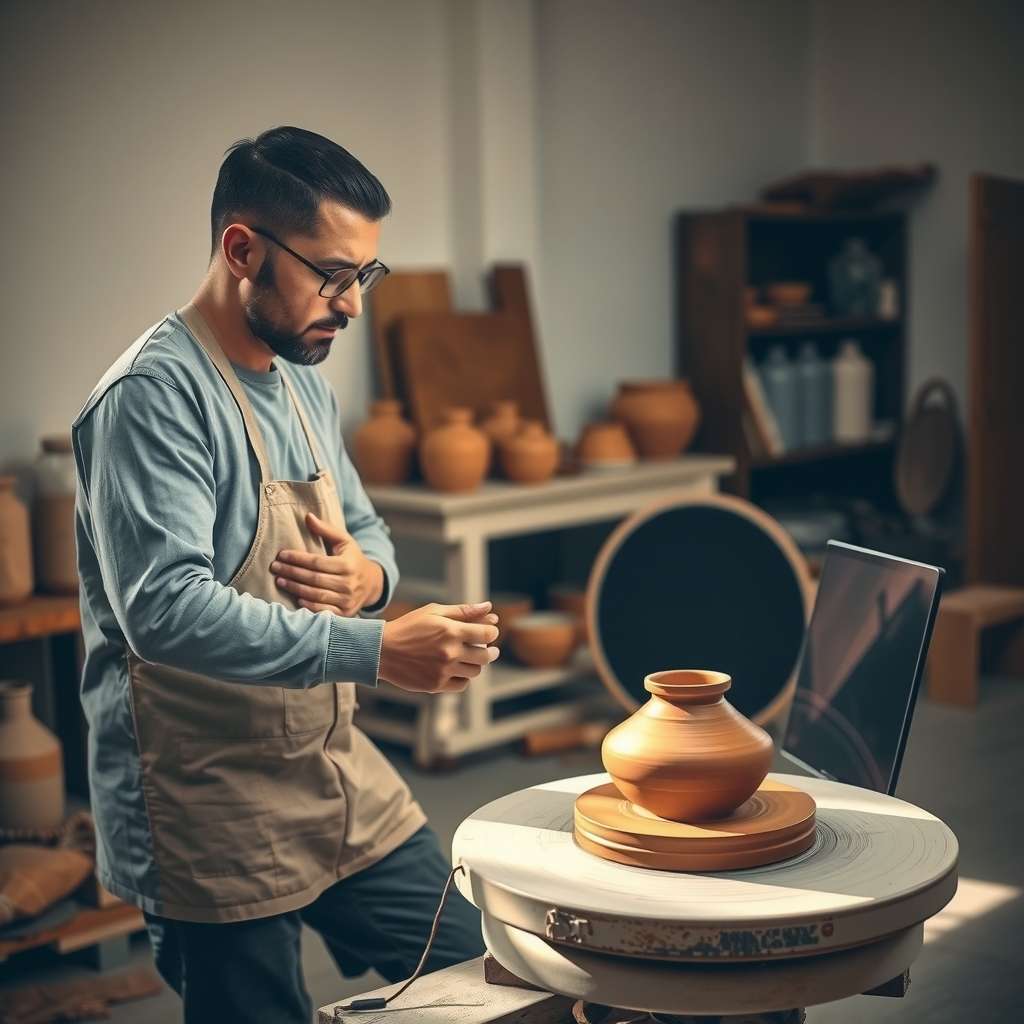
Unlike mass‑produced pottery, which follows strict tolerances, handmade ceramics embrace human creativity. The potter’s hand shapes the clay, adjusting pressure and rhythm, which translates into unique textures and forms. These subtle differences become signatures, allowing collectors to identify a piece’s origin and the artist’s intent.
Storytelling Through Design
Handcrafted pieces often incorporate cultural motifs, regional styles, or personal memories. When you purchase a handmade ceramic, you become part of that narrative. In contrast, mass‑produced items tend to favor generic designs to appeal to a broad market, sacrificing depth for uniformity.
2. Superior Quality and Durability
Quality is a cornerstone where handmade ceramics vs mass produced diverge. Handmade artisans meticulously select clay, control firing temperatures, and apply glaze with precision, resulting in products that are often more robust and longer lasting than their factory‑made counterparts.
Material Selection
Handcrafted potters source high‑grade clays, sometimes locally, ensuring the material’s purity and suitability for specific applications. Mass‑produced ceramics frequently use cheaper clays that may contain impurities, leading to cracks or glaze failures over time.
Firing Techniques
Artisans employ kilns with controlled atmospheres, allowing them to achieve exact glaze colors and surface finishes. Mass production, on the other hand, relies on automated firing cycles that prioritize speed over consistency, often resulting in uneven glaze or warped shapes.
Durability Testing
Many handmade ceramics undergo rigorous hand‑testing before shipping—checking for strength, thermal shock resistance, and glaze adhesion. Factory‑produced items are usually tested only to meet industry standards, which can be less stringent than artisan quality controls.
3. Environmental & Ethical Impact
Today’s eco‑conscious consumers weigh the environmental footprint of their purchases. Handmade ceramics vs mass produced is a pivotal debate when it comes to sustainability, labor practices, and waste reduction.
- Lower Carbon Emissions: Handcrafted pottery typically uses smaller kilns powered by renewable energy sources, reducing greenhouse gas emissions compared to large industrial furnaces.
- Reduced Waste: Artisans recycle off‑cuts, repurpose broken pieces, and use natural glazes, minimizing landfill waste. Mass‑produced factories often generate significant waste from defective items and excess raw materials.
- Fair Labor: Handcrafted ceramics support local economies and preserve traditional skills. In contrast, mass‑produced ceramics often rely on low‑wage labor in distant factories, raising ethical concerns.
By choosing handmade ceramics, consumers actively participate in a circular economy that values quality over quantity and respects both people and the planet.
4. Customization & Cultural Heritage
The allure of handmade ceramics vs mass produced extends to the ability to customize pieces to fit individual tastes and cultural narratives. Mass‑produced items are limited to a set of standardized options, whereas handmade ceramics offer a canvas for personalization.
Personalized Design
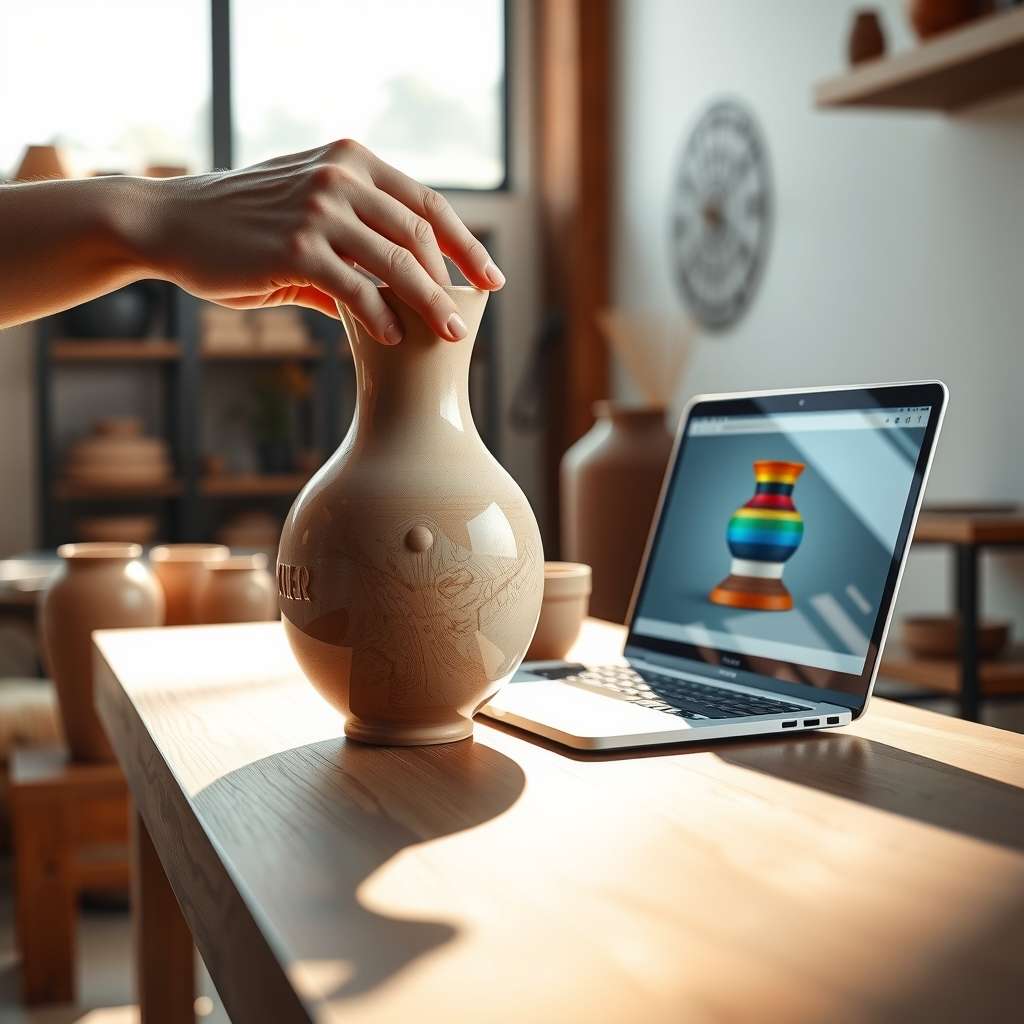
Artisans can incorporate custom colors, textures, and motifs directly into the clay. Whether you want a family crest, a favorite pattern, or a specific glaze shade, a handmade ceramic can be tailored to your vision.
Preserving Cultural Identity
Handcrafted pottery often reflects regional techniques—such as the blue‑and‑white glaze of Jingdezhen or the earthy tones of Mexican barro negro. These cultural expressions are integral to the piece’s identity, giving it a depth that mass‑produced replicas cannot capture.
Collaborative Creation
Many potters invite customers to participate in the creation process, offering workshops where you can shape your own clay. This interactive experience deepens the emotional bond and transforms the purchase into a shared memory.
5. Market Value & Investment Potential
When evaluating handmade ceramics vs mass produced, consider long‑term value. Handmade pieces often appreciate due to their rarity, provenance, and artistic merit, whereas mass‑produced items tend to depreciate quickly.
Scarcity and Rarity
Artisans produce limited runs, making each piece a unique collectible. The scarcity drives demand among collectors and increases resale value over time.
Provenance Documentation
Handcrafted ceramics frequently come with certificates of authenticity, detailing the maker’s name, production date, and materials used. This documentation enhances trust and facilitates future sales.
Art Market Trends
Recent auctions and gallery sales have shown a steady rise in prices for high‑quality handmade ceramics. In contrast, factory