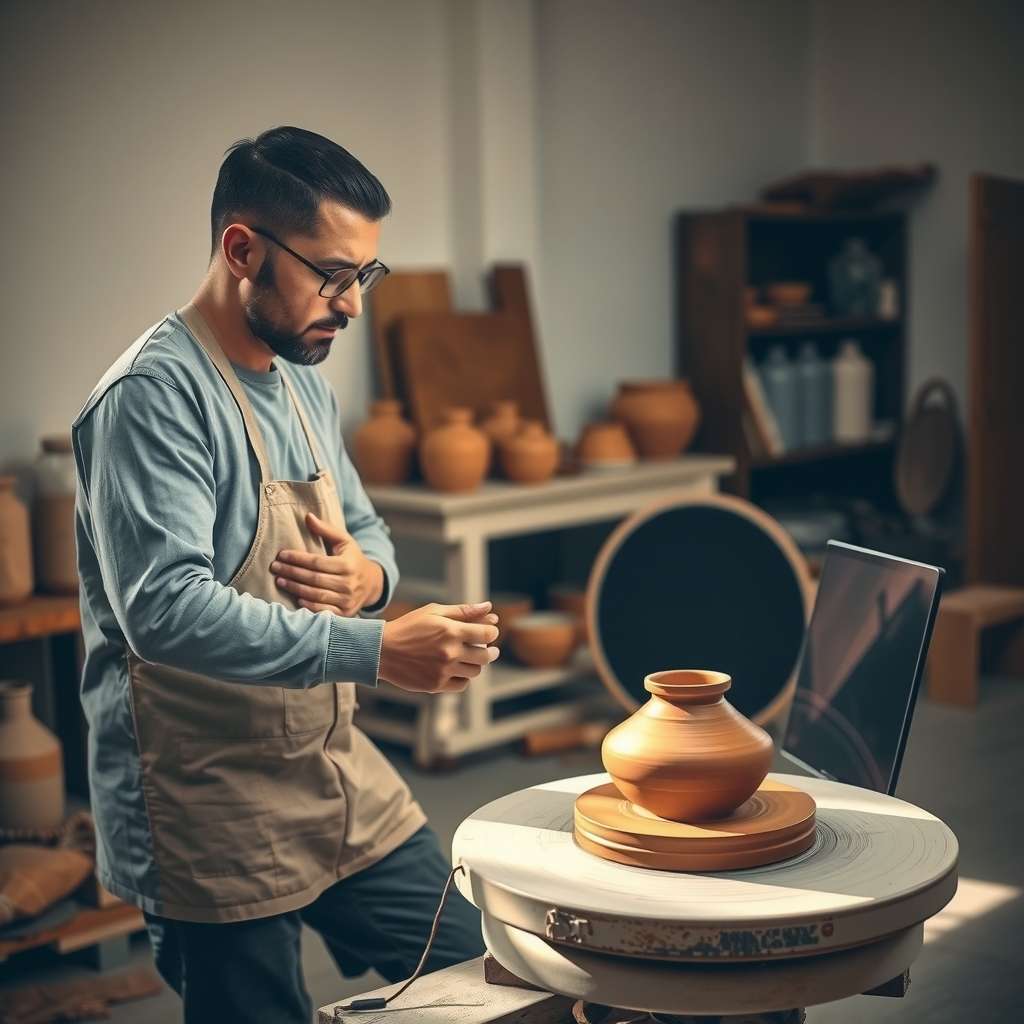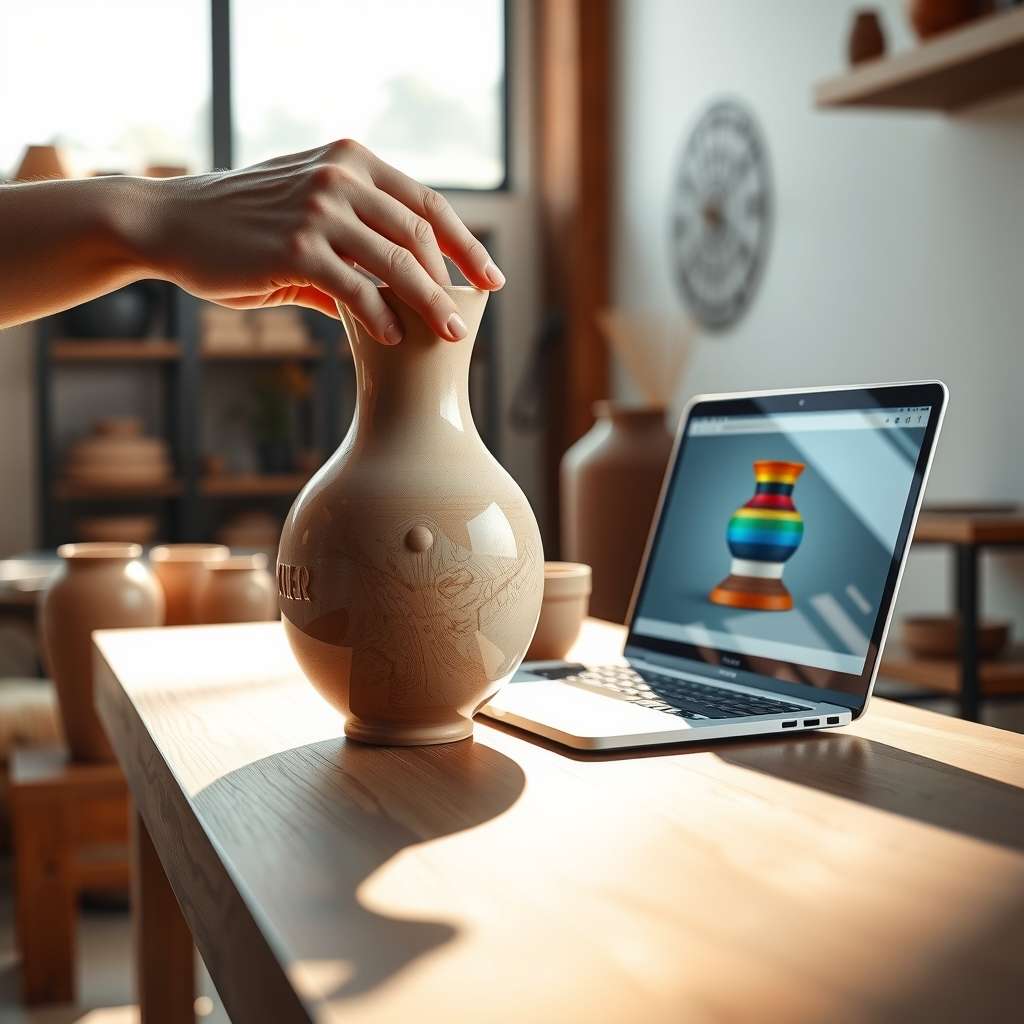
Welcome to the world of custom ceramic products, where creativity meets functionality. With the rise of personalized items, Custom Ceramic Products have become increasingly popular, allowing individuals to express their unique style and flair. In this comprehensive guide, we will walk you through the process of creating custom ceramic products, from initial design to final production, highlighting the importance of Custom Ceramic Products in today’s market.
Understanding the Basics of Custom Ceramic Products
Before diving into the creation process, it’s essential to understand the basics of custom ceramic products. Custom Ceramic Products are made from ceramic materials, such as clay, silica, and feldspar, which are shaped, glazed, and fired to produce a durable and long-lasting product. The versatility of ceramic materials allows for a wide range of applications, from tableware and decorative items to industrial components and medical devices.
Types of Custom Ceramic Products
There are various types of custom ceramic products, including:
- Tableware: plates, bowls, cups, and cutlery
- Decorative items: vases, figurines, and sculptures
- Industrial components: insulators, spark plugs, and bearings
- Medical devices: implants, surgical instruments, and diagnostic equipment
Each type of custom ceramic product requires a specific set of materials, design considerations, and production processes, which we will explore in more detail later.
Designing Custom Ceramic Products
Design is a critical aspect of creating custom ceramic products. The design process involves several stages, including concept development, sketching, and prototyping. When designing custom ceramic products, it’s essential to consider factors such as:
- Functionality: the product’s intended use and purpose
- Aesthetics: the product’s appearance, including color, shape, and texture
- Materials: the type and quality of ceramic materials used
- Production processes: the manufacturing techniques and equipment required
A well-designed custom ceramic product should balance form and function, ensuring that the product is both visually appealing and functional.
Tools and Software for Designing Custom Ceramic Products
There are various tools and software available for designing custom ceramic products, including:
- Computer-aided design (CAD) software: Autodesk, SolidWorks, and Blender
- Graphic design software: Adobe Illustrator and Photoshop
- 3D printing and modeling software: Tinkercad and Fusion 360
These tools enable designers to create detailed designs, prototypes, and simulations, streamlining the design process and reducing errors.
Materials and Production Processes for Custom Ceramic Products
The choice of materials and production processes is crucial in creating high-quality custom ceramic products. The most common ceramic materials used include:
- Clay: earthenware, stoneware, and porcelain
- Silica: quartz, feldspar, and mica
- Feldspar: orthoclase, plagioclase, and sanidine
Production processes for custom ceramic products include:
- Hand-building: coiling, pinching, and throwing
- Slip casting: pouring liquid clay into molds
- Pressing: using mechanical presses to shape and form ceramic materials
Each production process has its advantages and disadvantages, and the choice of process depends on the specific requirements of the custom ceramic product.
Glazing and Firing Custom Ceramic Products
Glazing and firing are critical steps in the production process of custom ceramic products. Glazing involves applying a layer of glaze to the ceramic surface, while firing involves heating the glaze to a high temperature to achieve the desired color, texture, and durability.
There are various types of glazes, including:
- Clear glaze: transparent and colorless
- Colored glaze: opaque and colored
- Matte glaze: non-reflective and textured
Firing techniques include:
- Oxidation firing: firing in the presence of oxygen
- Reduction firing: firing in the absence of oxygen
- Raku firing: firing at a low temperature to achieve a specific texture and color
The choice of glaze and firing technique depends on the desired appearance and functionality of the custom ceramic product.
Quality Control and Testing of Custom Ceramic Products
Quality control and testing are essential steps in ensuring the durability and performance of custom ceramic products. Tests include:
- Strength and durability testing: measuring the product’s resistance to stress and impact
- Thermal shock testing: measuring the product’s resistance to temperature changes
- Chemical resistance testing: measuring the product’s resistance to corrosion and degradation
These tests help ensure that custom ceramic products meet the required standards and specifications, guaranteeing customer satisfaction and loyalty.
Certification and Compliance for Custom Ceramic Products
Certification and compliance are critical aspects of custom ceramic products, particularly in industries such as healthcare and food processing. Certifications include:
- ISO 9001: quality management system
- ISO 14001: environmental management system
- CE marking: conformity to European Union directives
Compliance with regulations and standards ensures that custom ceramic products are safe, reliable, and meet the required performance standards.
Conclusion and Future Outlook for Custom Ceramic Products
In conclusion, creating custom ceramic products requires a deep understanding of design, materials, production processes, and quality control. As technology advances and consumer demand evolves, the future of custom ceramic products looks promising, with opportunities for innovation and growth in various industries.
Whether you’re a designer, manufacturer, or consumer, Custom Ceramic Products offer a unique combination of functionality, aesthetics, and durability, making them an attractive choice for a wide range of applications. With the right knowledge, skills, and resources, anyone can create high-quality custom ceramic products that meet their specific needs and requirements.
So, what are you waiting for? Start creating your own custom ceramic products today and discover the endless possibilities of this versatile and dynamic material. Get in touch with us to learn more about custom ceramic products and how we can help you bring your ideas to life.