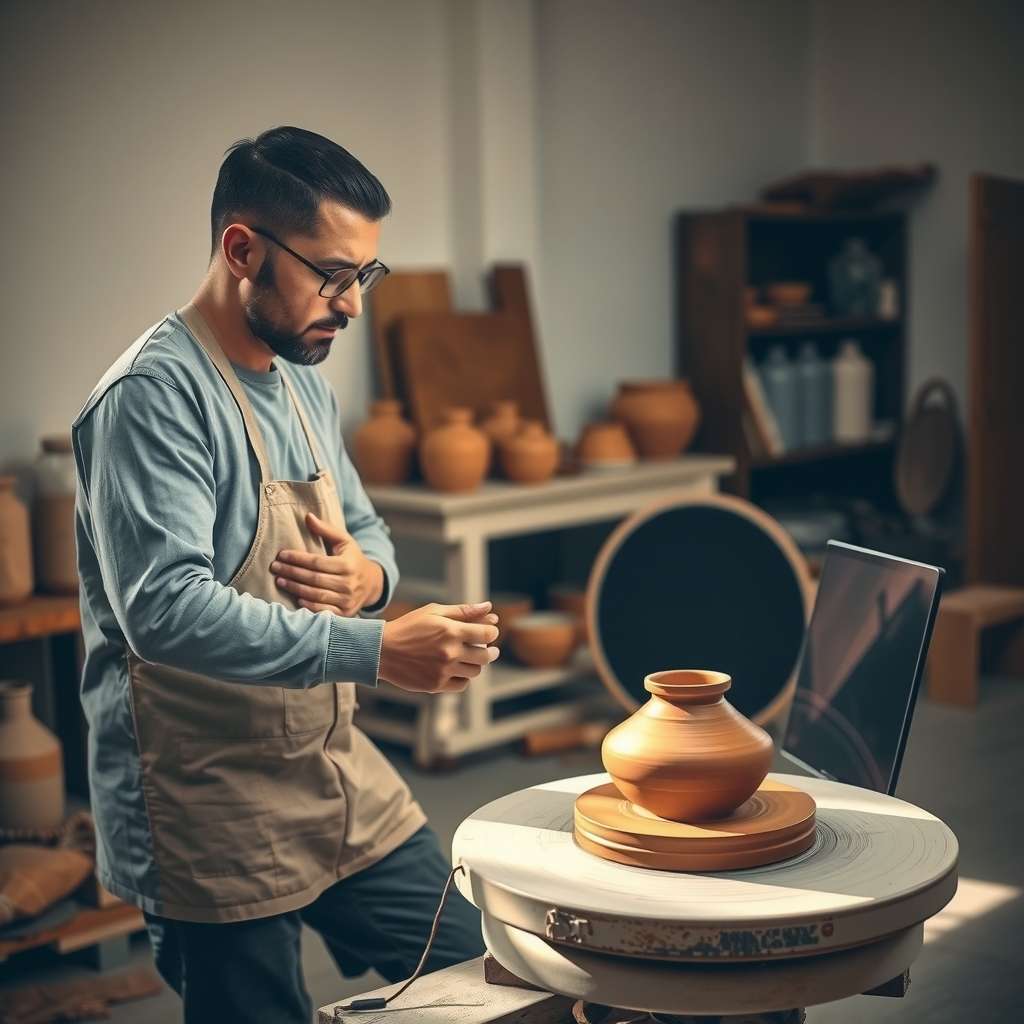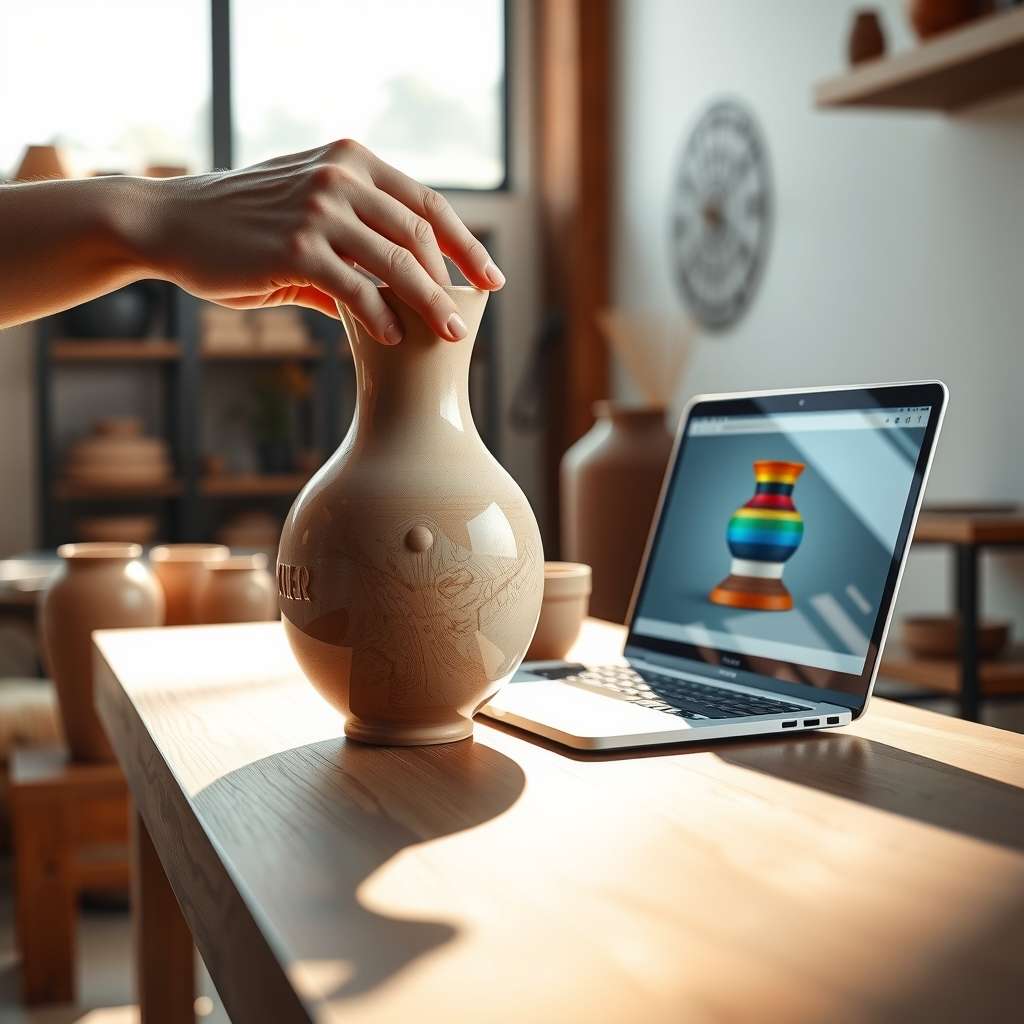
Choosing the right ceramic glaze can be a daunting task, especially for those new to the world of ceramics. With so many options available, it’s easy to get overwhelmed by the vast array of colors, textures, and finishes. However, selecting the perfect glaze is crucial to bringing out the full potential of your ceramic pieces. In this comprehensive guide, we’ll delve into the world of ceramic glaze, exploring the different types, application techniques, and factors to consider when making your selection. By the end of this article, you’ll be equipped with the knowledge to choose the best ceramic glaze for your collection, ensuring that your pieces stand out and shine.
Understanding Ceramic Glaze
Ceramic glaze is a mixture of chemicals that, when applied to ceramics and fired at high temperatures, creates a glass-like surface. This surface can be transparent, opaque, or anywhere in between, and can be colored using various metal oxides. The glaze serves several purposes, including protecting the ceramic from water and other environmental factors, enhancing its appearance, and providing a durable, easy-to-clean surface.
Types of Ceramic Glaze
There are several types of ceramic glaze, each with its own unique characteristics and uses. Some of the most common types include:
- Clear Glaze: A transparent glaze that allows the natural color of the ceramic to show through.
- Opaque Glaze: A non-transparent glaze that completely covers the ceramic, often used to create bold, vibrant colors.
- Underglaze: A type of glaze that is applied under a clear glaze, allowing for intricate designs and patterns.
- Overglaze: A type of glaze that is applied over a previously glazed surface, often used to add additional colors or textures.
Factors to Consider When Choosing a Ceramic Glaze
When selecting a ceramic glaze, there are several factors to consider. These include:
- Color: The color of the glaze, which can range from subtle pastels to bold, bright hues.
- Texture: The texture of the glaze, which can be smooth, glossy, matte, or textured.
- Finish: The finish of the glaze, which can be glossy, matte, or satin.
- Durability: The durability of the glaze, which can affect its resistance to scratches, chips, and fading.
- Application Method: The method used to apply the glaze, which can include brushing, pouring, or spraying.
Application Techniques
The method used to apply the glaze can greatly affect the final result. Some common application techniques include:
- Brushing: Using a brush to apply the glaze, often used for intricate designs and patterns.
- Pouring: Pouring the glaze over the ceramic, often used for large, uniform areas.
- Spraying: Using a spray gun to apply the glaze, often used for uniform, even coverage.
Popular Ceramic Glaze Brands
There are many ceramic glaze brands available, each with its own unique products and characteristics. Some popular brands include:
- Amaco: Known for their high-quality, lead-free glazes.
- Mayco: Offers a wide range of glazes, including underglaze and overglaze options.
- Highwater Clays: Provides a variety of glazes, including clear, opaque, and textured options.
Conclusion
Choosing the right ceramic glaze can be a daunting task, but with the right knowledge and guidance, it can also be a fun and creative process. By understanding the different types of glaze, application techniques, and factors to consider, you can make informed decisions and select the perfect glaze for your ceramic collection. Remember to always follow the manufacturer’s instructions and take necessary safety precautions when working with glazes. With practice and patience, you’ll be able to achieve stunning, professional-looking results that will elevate your ceramics to the next level. So, get started today and discover the world of ceramic glaze!
Don’t forget to share your experiences and tips with us in the comments below. Happy glazing!