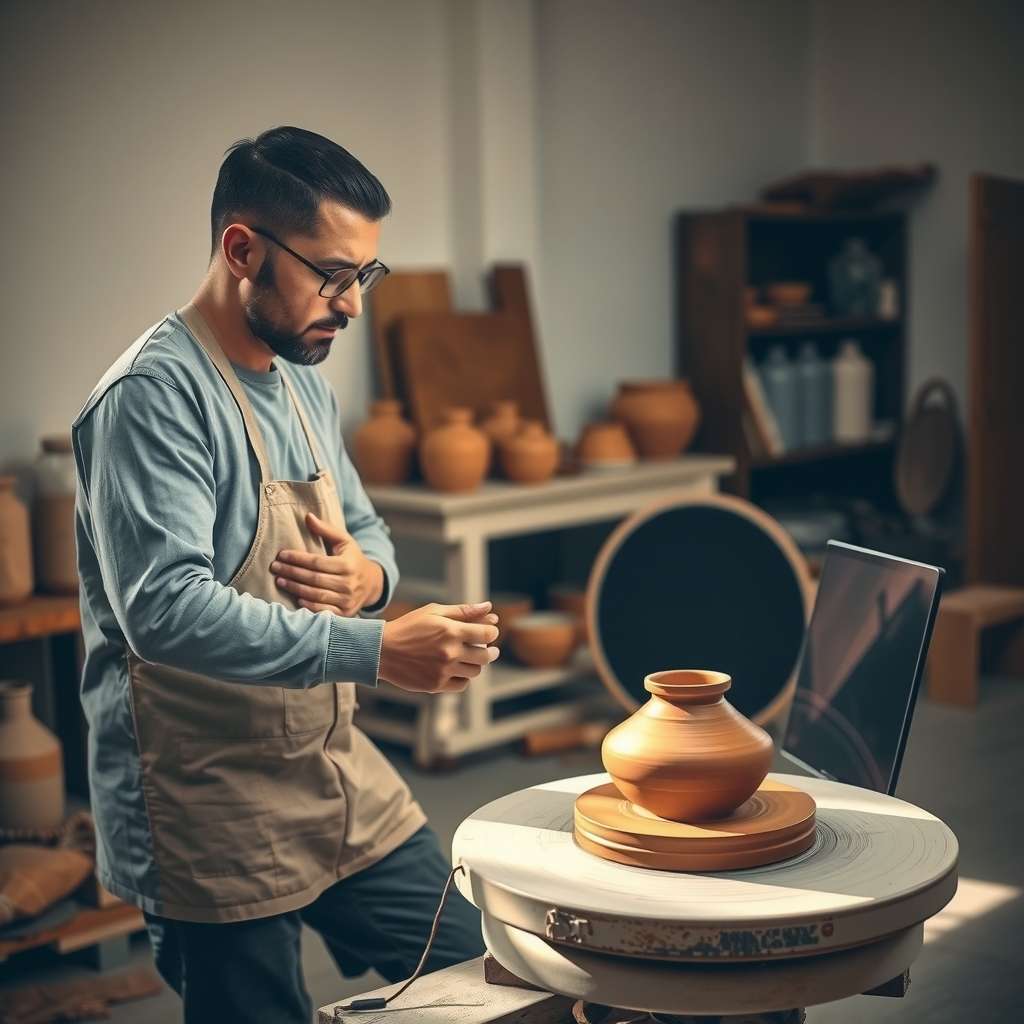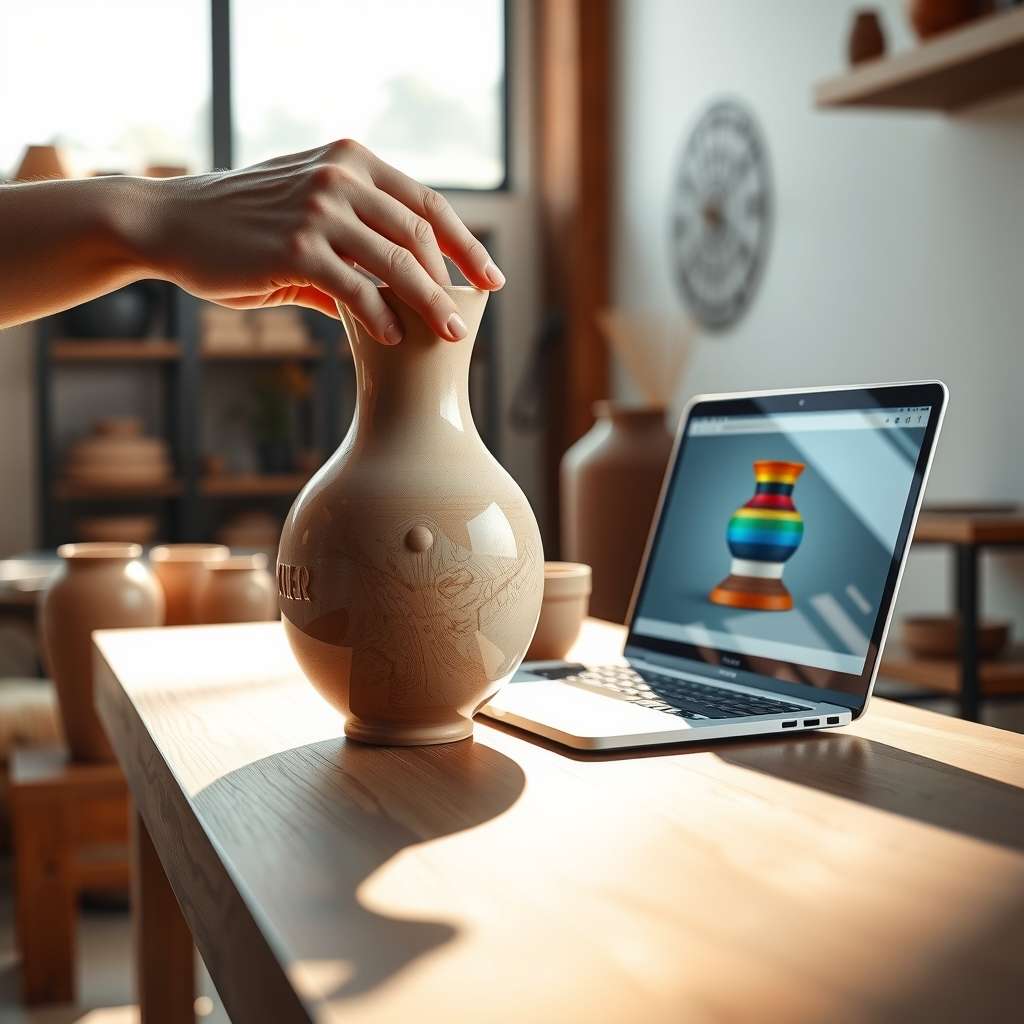
Welcome to the world of Low MOQ Ceramic Manufacturing, a revolutionary technique that has transformed the way we produce ceramic products. With the increasing demand for customized and small-batch ceramic products, Low MOQ Ceramic Manufacturing has become a game-changer in the industry. In this ultimate guide, we will delve into the world of Low MOQ Ceramic Manufacturing, exploring its benefits, process, and applications.
What is Low MOQ Ceramic Manufacturing?
Low MOQ Ceramic Manufacturing refers to the production of ceramic products with a low minimum order quantity (MOQ). This technique allows manufacturers to produce small batches of ceramic products, making it ideal for businesses that require customized products or have limited storage space. With Low MOQ Ceramic Manufacturing, businesses can now produce high-quality ceramic products without having to meet the traditional high MOQ requirements.
Benefits of Low MOQ Ceramic Manufacturing
The benefits of Low MOQ Ceramic Manufacturing are numerous. Some of the most significant advantages include:
- Flexibility: Low MOQ Ceramic Manufacturing allows businesses to produce small batches of ceramic products, making it ideal for customized products or limited production runs.
- Cost-effective: With Low MOQ Ceramic Manufacturing, businesses can reduce their production costs, as they no longer need to meet the traditional high MOQ requirements.
- Increased efficiency: Low MOQ Ceramic Manufacturing streamlines the production process, allowing businesses to produce high-quality ceramic products quickly and efficiently.
Process of Low MOQ Ceramic Manufacturing
The process of Low MOQ Ceramic Manufacturing involves several stages, including:
Design and Prototyping
The first stage of Low MOQ Ceramic Manufacturing is design and prototyping. During this stage, businesses work with designers and engineers to create a prototype of the ceramic product. This stage is crucial, as it determines the final product’s quality and functionality.
Material Selection
Once the design and prototype are complete, the next stage is material selection. Businesses must select the right materials for their ceramic products, taking into account factors such as durability, sustainability, and cost.
Production
The production stage of Low MOQ Ceramic Manufacturing involves the actual production of the ceramic products. This stage includes various techniques, such as injection molding, slip casting, and hand-building.
Applications of Low MOQ Ceramic Manufacturing
Low MOQ Ceramic Manufacturing has a wide range of applications, including:
- Tableware: Low MOQ Ceramic Manufacturing is ideal for producing customized tableware, such as plates, bowls, and cups.
- Home decor: Businesses can use Low MOQ Ceramic Manufacturing to produce unique and customized home decor products, such as vases, figurines, and ornaments.
- Industrial components: Low MOQ Ceramic Manufacturing can also be used to produce industrial components, such as ceramic bearings, insulators, and valves.
Challenges and Limitations of Low MOQ Ceramic Manufacturing
While Low MOQ Ceramic Manufacturing offers numerous benefits, it also has some challenges and limitations. Some of the most significant challenges include:
- Quality control: Ensuring the quality of ceramic products produced through Low MOQ Ceramic Manufacturing can be challenging, as the production process is often more complex and nuanced.
- Scalability: Low MOQ Ceramic Manufacturing can be difficult to scale up, as the production process is often designed for small batches.
- Cost: While Low MOQ Ceramic Manufacturing can be cost-effective, it can also be more expensive than traditional ceramic manufacturing methods, especially for large production runs.
Future of Low MOQ Ceramic Manufacturing
The future of Low MOQ Ceramic Manufacturing looks promising, with advancements in technology and materials science expected to further improve the production process. Some of the most significant trends and developments include:
- Advances in 3D printing: 3D printing technology is expected to play a major role in the future of Low MOQ Ceramic Manufacturing, allowing for the production of complex and customized ceramic products.
- Development of new materials: Researchers are developing new materials and technologies that will enable the production of ceramic products with improved properties, such as increased strength and durability.
- Increased focus on sustainability: The future of Low MOQ Ceramic Manufacturing is expected to be more sustainable, with businesses focusing on reducing waste, energy consumption, and environmental impact.
In conclusion, Low MOQ Ceramic Manufacturing is a revolutionary technique that has transformed the way we produce ceramic products. With its numerous benefits, including flexibility, cost-effectiveness, and increased efficiency, Low MOQ Ceramic Manufacturing is an ideal solution for businesses that require customized or small-batch ceramic products. As the industry continues to evolve, we can expect to see advancements in technology, materials science, and sustainability. If you’re interested in learning more about Low MOQ Ceramic Manufacturing or would like to explore how it can benefit your business, contact us today to schedule a consultation with one of our experts.