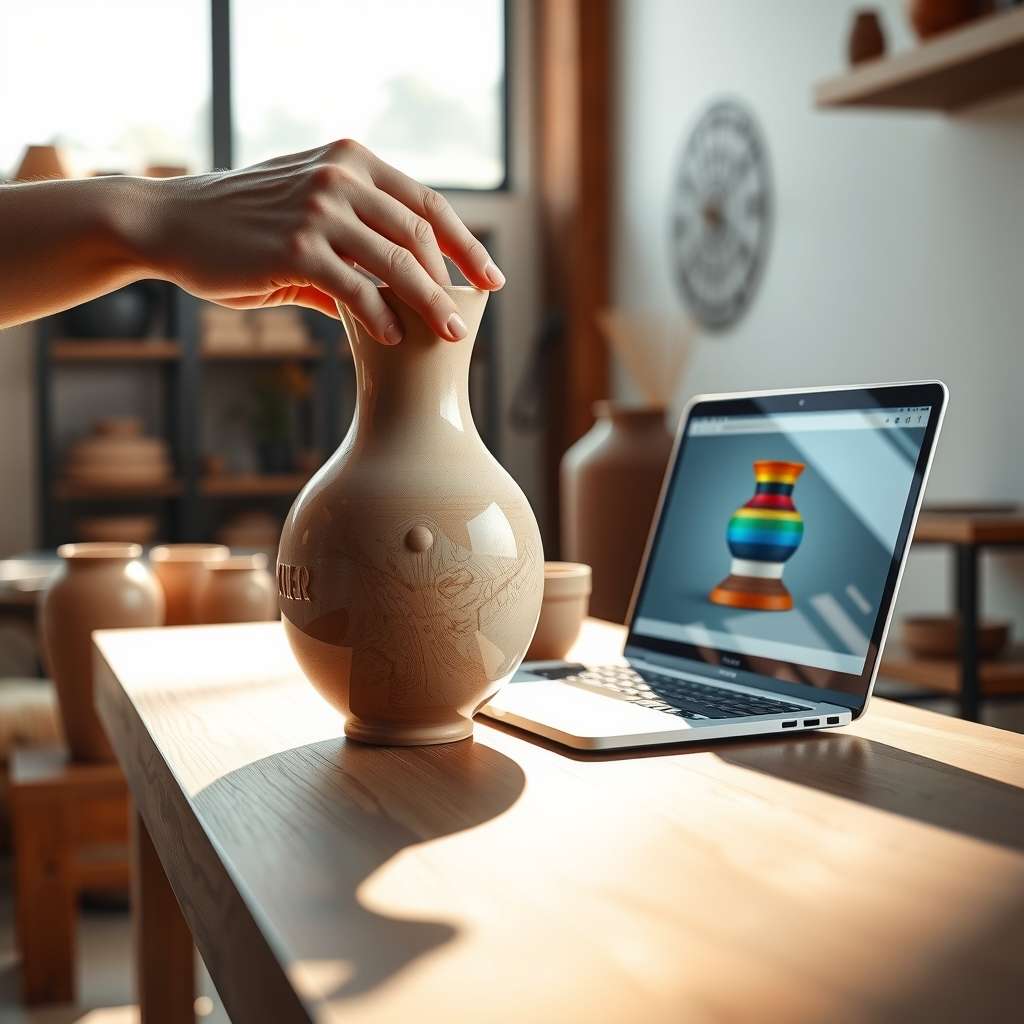
For many of us, the tactile sensation of wet clay slipping between our fingers is more than just a craft—it’s a portal to a deeper sense of self. Whether you’re a seasoned potter or a curious novice, the allure of working with clay lies in its ability to transform raw earth into functional art, a practice that has captivated humanity for thousands of years. This guide will walk you through the history, techniques, tools, and emotional benefits of working with clay, ensuring that you can approach every project with confidence, creativity, and a clear understanding of how to bring your ideas to life.
History of Clay and Its Cultural Significance
Working with clay has roots that stretch back to the dawn of civilization. Early humans discovered that the earth’s malleable material could be shaped into pots, storage vessels, and ceremonial objects, giving rise to the first civilizations in Mesopotamia, Egypt, and the Indus Valley. These early potters refined their techniques, developing wheel-throwing and glazing methods that laid the foundation for modern ceramics. Today, working with clay remains a global art form, celebrated in workshops, galleries, and community centers around the world.
Ancient Pottery Traditions
The earliest evidence of working with clay dates to around 28,000 BCE, when Paleolithic peoples created simple clay tools and ornaments. By 10,000 BCE, Neolithic societies had perfected the art of hand-building clay pots, using coils and pinch techniques to produce storage jars and cooking vessels. These early pots were fired in open fires, resulting in a fragile yet functional art form that showcased the ingenuity of early humans in harnessing natural resources.
Clay in Modern Art Movements
In the 20th century, artists like Bernard Leach and Lucie Rie elevated working with clay from craft to fine art. Their emphasis on simplicity, natural glazes, and the intrinsic beauty of clay encouraged a new generation of potters to explore the medium’s expressive potential. Today, contemporary ceramic artists blend traditional methods with digital design, creating hybrid works that push the boundaries of what working with clay can achieve.
Why Working with Clay Is Therapeutic
Engaging in the practice of working with clay offers profound mental and emotional benefits. The repetitive motions of kneading, shaping, and smoothing the material help to reduce stress and promote mindfulness. Many individuals find that the sensory experience of working with clay provides a form of meditation, allowing them to focus on the present moment and release intrusive thoughts. Additionally, the tangible results of a finished piece provide a sense of accomplishment, boosting self-esteem and fostering a deeper connection to one’s creative self.
Materials & Tools You Need to Get Started
Before you begin your journey into the world of working with clay, it’s essential to understand the basic materials and tools required. While you can start with a simple hand-building kit, investing in a few high-quality items can dramatically improve your experience and the quality of your finished pieces. Below is a comprehensive list of essentials for beginners and advanced potters alike.
Types of Clay
- Stoneware: Durable and versatile, stoneware is ideal for functional ware and sculpture.
- Earthenware: Light and porous, earthenware is perfect for beginners and decorative pieces.
- Porcelain: Fine-grained and translucent, porcelain requires a higher firing temperature but yields a smooth, elegant finish.
- Air-Dry Clay: Non-firing clay that dries at room temperature, suitable for quick projects and beginners.
Essential Tools for Working with Clay
- Clay Wheel: Allows for symmetrical shapes and precise control.
- Hand Tools: Knives, spatulas, rib tools, and loop tools for shaping and texturing.
- Water Container: Keeps your hands and tools moist during shaping.
- Glaze Palette: For mixing and testing glazes.
- Kiln: Needed for firing stoneware and porcelain; a small electric kiln can suffice for beginners.
Related Posts
Custom Pottery Online: The Ultimate Guide to Your Vision