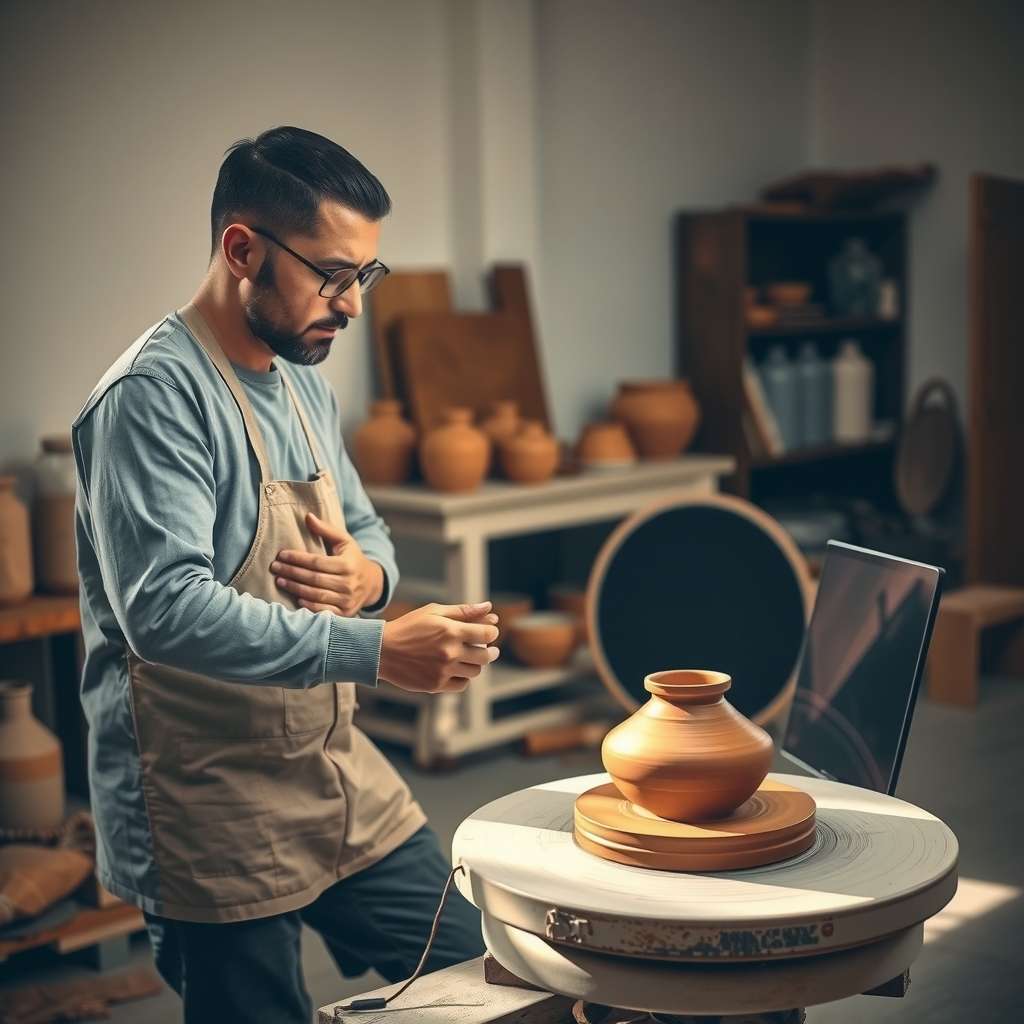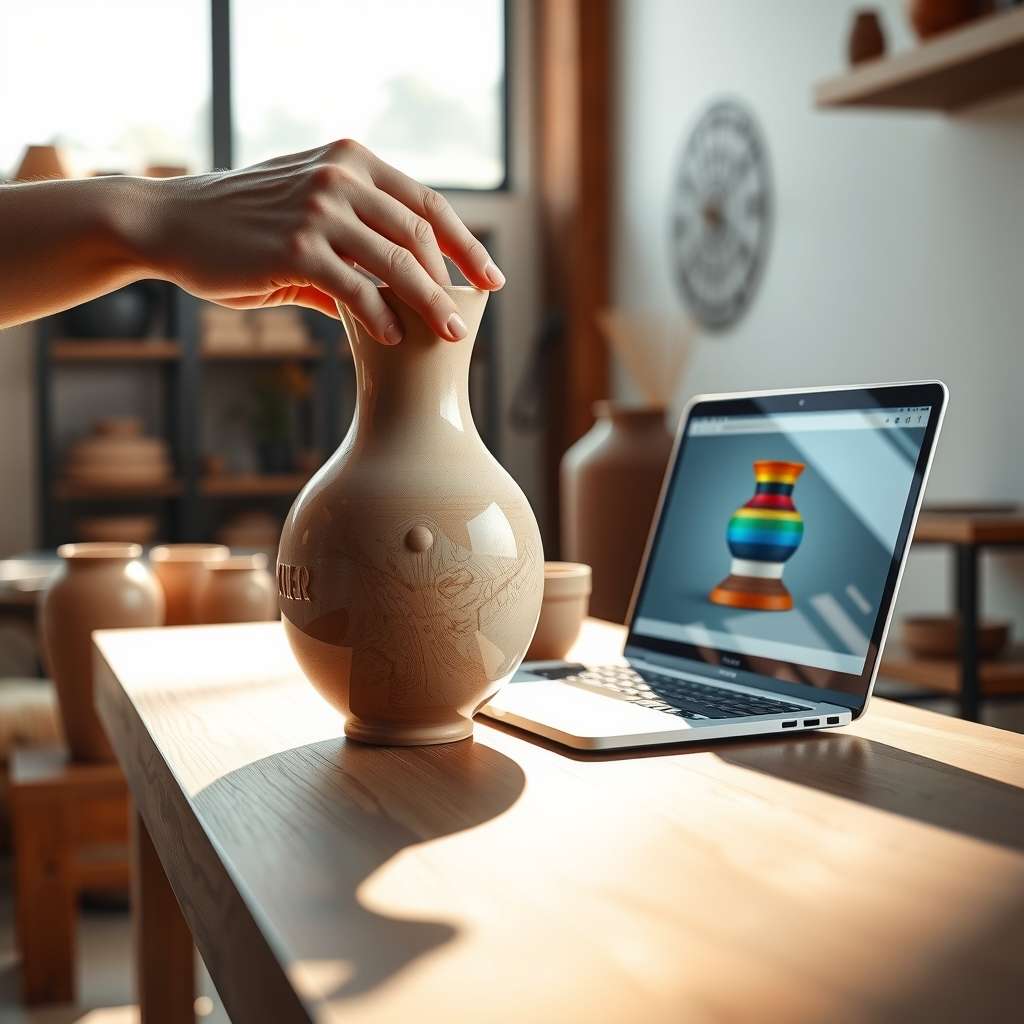
When you think of style that never goes out of fashion, neutral tone ceramics immediately come to mind. These understated yet sophisticated pieces have the power to transform any space, creating a calm, balanced backdrop that allows other design elements to shine. In 2026, the trend is stronger than ever—homeowners and designers alike are turning to neutral tone ceramics to achieve a seamless blend of modern minimalism and timeless elegance.
Neutral tone ceramics offer an inviting palette that can be paired with bold accents or used as a subtle foundation for a minimalist aesthetic. Their versatility, durability, and eco‑friendly production make them an attractive choice for the conscious consumer. Whether you’re renovating a kitchen, upgrading your bathroom, or designing a contemporary living room, incorporating neutral tone ceramics can elevate your project to new heights.
History and Evolution of Neutral Tone Ceramics
The roots of neutral tone ceramics trace back to ancient clay traditions, where natural earth colors were prized for their authenticity. Over centuries, artisans refined glazing techniques to achieve smooth, muted finishes that echo the simplicity of nature. In the mid‑20th century, Scandinavian designers embraced these tones, championing the “less is more” philosophy that continues to dominate modern interiors.
Today, neutral tone ceramics have evolved from humble kitchenware to statement pieces in high‑end architecture. The shift to sustainable materials and precision glazing has broadened their appeal, allowing designers to create everything from sleek countertops to intricate wall mosaics. This evolution underscores how neutral tone ceramics can adapt to changing tastes while retaining their core essence.
Materials & Production Techniques
- Clay Composition: High‑clay bodies with low iron content produce the soft, light base colors that define neutral tone ceramics.
- Glaze Development: Modern glaze chemistry allows for a spectrum of muted hues—ivory, taupe, dove gray, and pale sage—while maintaining durability and a smooth finish.
- Firing Process: Bisque and glaze firings at controlled temperatures preserve the integrity of neutral tones, preventing color bleeding or unexpected shifts.
- Texture & Finish: Hand‑slip, burnishing, and matte glazing techniques add subtle depth, creating tactile interest without compromising the calm aesthetic.
These refined processes ensure that every neutral tone ceramic piece delivers consistent quality, making them reliable for both residential and commercial projects.
Color Theory & Mood in Neutral Tone Ceramics
Neutral tones are not simply blank canvases; they carry psychological weight. Soft, muted colors evoke feelings of tranquility, sophistication, and spaciousness. According to color psychology, neutral tone ceramics can reduce visual clutter, making rooms feel larger and more harmonious.
When paired with contrasting accents—such as a vibrant ceramic vase or a bold patterned rug—the neutral background amplifies the impact of those accents. Designers often use neutral tone ceramics as a grounding element, allowing color pops to stand out while maintaining an overall balanced atmosphere.
Sustainability of Neutral Tone Ceramics
In 2026, sustainability is a non‑negotiable design criterion. Neutral tone ceramics are celebrated for their eco‑friendly production. Clay is a natural, abundant resource, and many manufacturers now use recycled glaze materials to reduce waste.
- Low VOC Glazes: Modern glazing eliminates volatile organic compounds, ensuring healthier indoor air quality.
- Energy Efficiency: Advanced kilns use less energy, lowering the carbon footprint of production.
- Longevity: Durable ceramics mean fewer replacements, reducing overall resource consumption.
Choosing neutral tone ceramics aligns with green building certifications like LEED and BREEAM, making them an ideal choice for eco‑conscious projects.
Maintenance & Care Tips
Neutral tone ceramics are low‑maintenance, but proper care extends their lifespan and keeps their appearance pristine.
- Cleaning: Use mild, pH‑neutral detergents and a soft cloth. Avoid abrasive cleaners that can dull the glaze.
- Stain Prevention: Apply a sealant to high‑traffic areas to protect against staining and scratches.
- Heat Protection: Place heat‑resistant mats under hot pots or pans to prevent thermal shock.
- Storage: Store pieces in a dry, dust‑free environment. Use protective covers for delicate items.
With these simple practices, neutral tone ceramics remain a stunning feature for years to come.
7 Stunning Design Ideas for 2026
1. Minimalist Monochrome Tableware
Incorporate neutral tone ceramics into everyday dining. Think sleek white plates, muted gray bowls, and ivory mugs. The subtle color palette keeps the table setting elegant while allowing vibrant food colors to pop.
- Use a single color family to create a cohesive