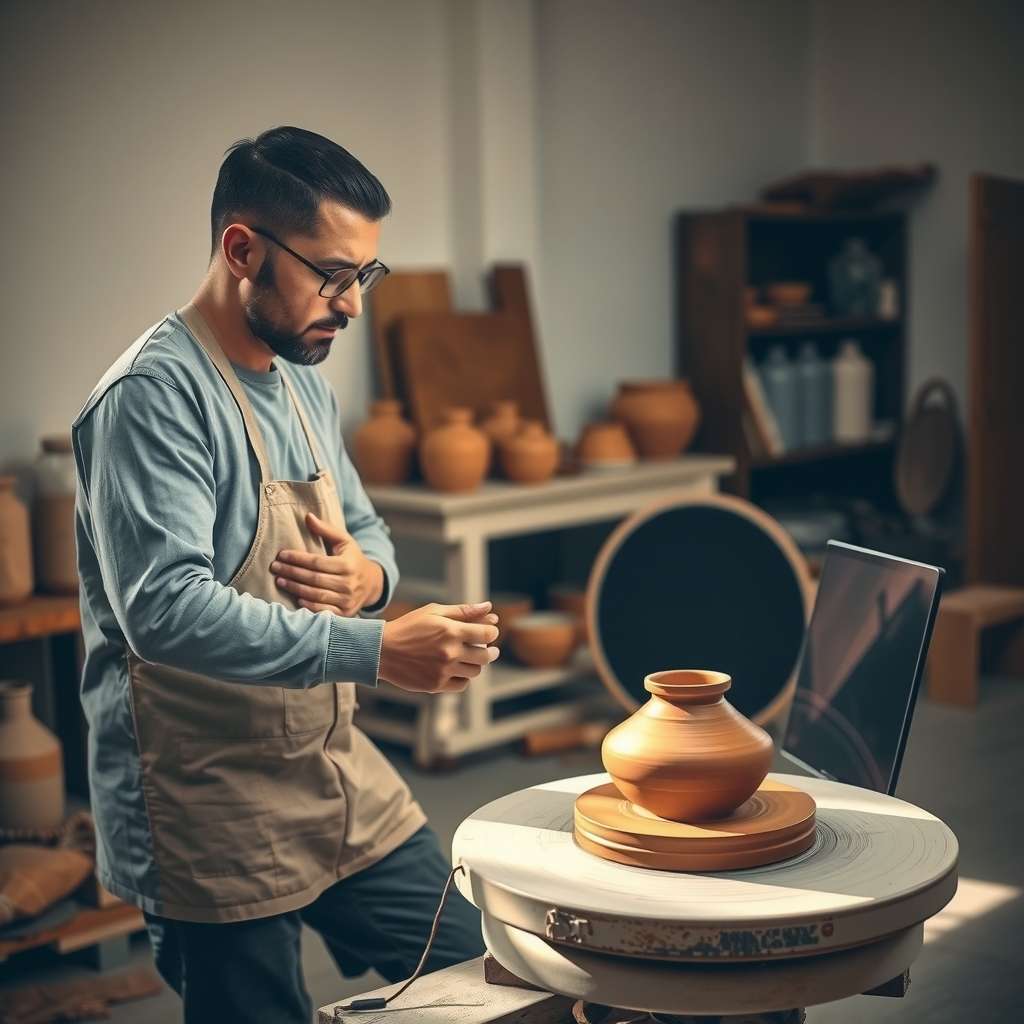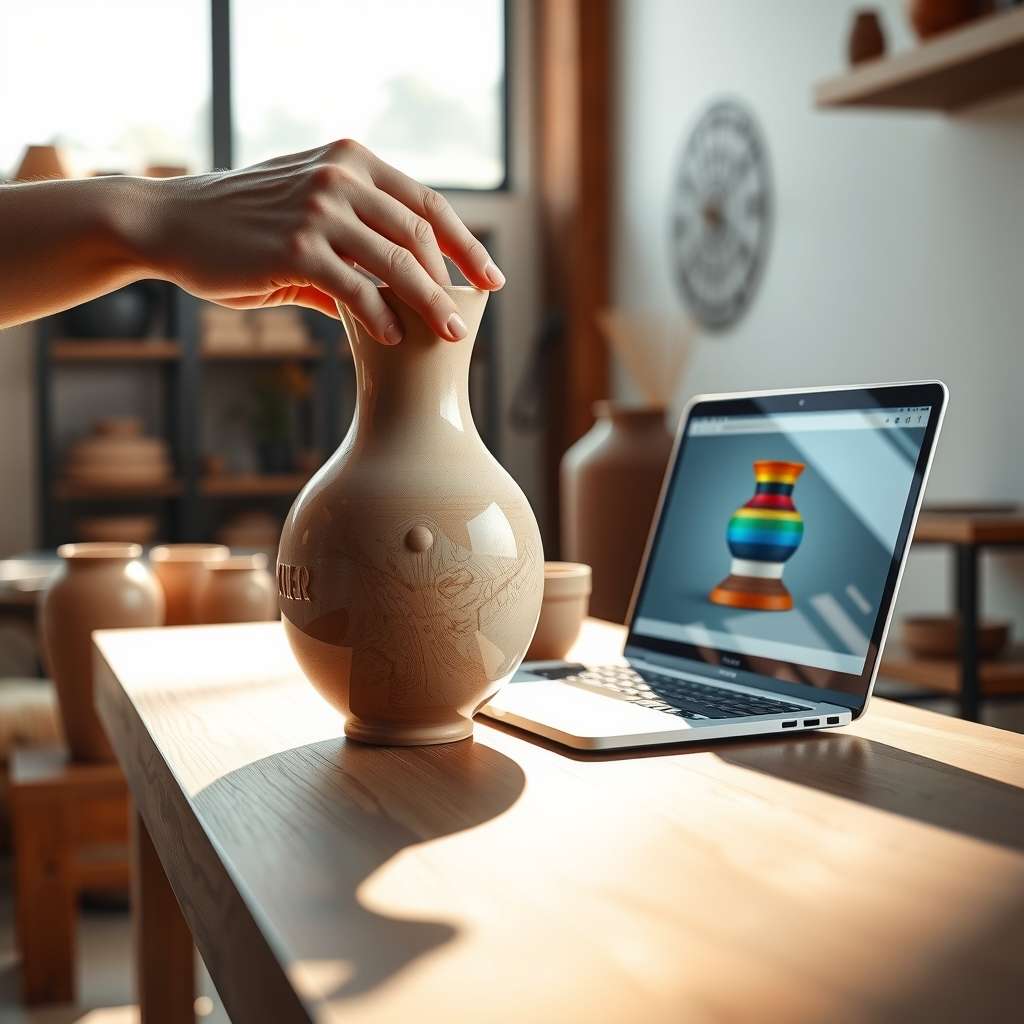
When you walk into a studio that hums with the low, steady thrum of a kiln, you’re stepping into a world where patience meets precision, and raw clay transforms into functional art. For centuries, the craft of kiln‑fired ceramics has evolved, marrying tradition with innovation. Today, the discipline is more vibrant than ever, with emerging techniques that challenge conventional boundaries and inspire both seasoned potters and curious hobbyists. Understanding these methods not only deepens appreciation for ceramic artistry but also equips creators to experiment, innovate, and elevate their own work. In this guide, we’ll explore seven must‑see kiln‑fired ceramics techniques that are shaping the industry in 2026, offering insight into processes, materials, and artistic possibilities that will keep the medium fresh and exciting for years to come.
1. Traditional Bisque Firing: The Foundation of Kiln‑Fired Ceramics
Bisque firing is the first crucial step in any kiln‑fired ceramics project. This low‑temperature process, typically between 1,000°F (538°C) and 1,200°F (649°C), removes moisture and prepares the clay for glazing. While it may seem straightforward, mastering bisque firing involves a nuanced understanding of kiln temperature ramps, atmospheric control, and load management.
During bisque firing, the clay undergoes a chemical transformation where organic matter burns away, and the structure becomes more vitrified, yet still porous enough to accept glaze. The resulting bisque piece is lightweight, robust, and ready for the next stage: glaze application. Because bisque firing is foundational, many contemporary artists revisit the technique to create subtle, earthy textures that highlight the intrinsic beauty of the clay body itself.
Key considerations for bisque firing include:
- Temperature control: Precise ramps prevent cracking.
- Atmospheric conditions: Oxidation vs. reduction affects color.
- Cooling rate: Slow cooling reduces thermal shock.
- Kiln load: Balanced distribution ensures uniform heat.
By mastering bisque firing, potters lay the groundwork for a wide array of glaze experiments, setting the stage for the next transformative stages in the kiln‑fired ceramics journey.
2. High‑Temperature Stoneware: The Robust Core of Modern Ceramics
Stoneware, known for its durability and high firing temperature, typically reaches 2,200°F (1,200°C) or higher. This technique has become a staple for functional wares—plates, mugs, and bowls—thanks to its strength and water‑resistant properties. In 2026, artists are pushing the limits of stoneware by experimenting with hybrid clays and unconventional firing schedules.
High‑temperature stoneware offers a unique canvas for glaze artists. The dense, vitrified body can support intricate glaze designs, including metallic finishes, subtle color gradients, and even translucent layers. The technique also allows for the creation of large, structurally complex pieces that would otherwise be fragile.
To achieve optimal results, potters must:
- Choose the right clay body: High‑clay content enhances vitrification.
- Plan a meticulous firing schedule: Includes soak times and controlled cooling.
- Use atmospheric control: Oxidation or reduction can dramatically alter glaze outcomes.
- Employ proper kiln maintenance: Regular cleaning prevents contamination.
Stoneware’s versatility makes it an essential component of the kiln‑fired ceramics toolkit, bridging the gap between functional pottery and sculptural expression.
3. Low‑Temperature Raku: The Wild Card of Kiln‑Fired Ceramics
Raku, a technique with origins in Japan, has long been celebrated for its dramatic, unpredictable results. Traditionally fired at low temperatures (around 1,200°F/649°C) and removed from the kiln while glowing, raku pieces are then exposed to rapid cooling and post‑firing treatments that create striking metallic and crackle effects.
In 2026, contemporary ceramists are reimagining raku by integrating new materials—such as recycled glass chips, metallic oxides, and even bio‑based additives—to produce fresh aesthetic possibilities. The process now often involves a controlled reduction atmosphere, followed by rapid cooling in water or oil, which yields unique glaze textures and color variations.
Key steps in modern raku include:
- Preparation of glaze: Incorporate metallic powders for shimmering effects.
- Firing schedule: Short soak and rapid ramp to minimize oxidation.
- Post‑firing: Immediate removal, followed by water or oil quenching.
- Safety precautions: Use proper ventilation and protective gear.
The unpredictable nature of raku keeps both artists and audiences captivated, making it a staple in the arsenal of kiln‑fired ceramics techniques.
4. Open‑Firing and Surface Glazing: A Blend of Tradition and Innovation
Open‑firing, also known as surface glazing, involves exposing the clay to an open flame or direct heat source. Although less common in modern studio settings, the technique has found new life through the use of electric or infrared open‑fire kilns, allowing artists to achieve unique surface textures and color gradients that are difficult to replicate with conventional kiln processes.
In this method, the glaze is applied just before the final firing, and the piece is exposed to a controlled flame, creating a dynamic interaction between the glaze and the heat. The resulting surface often features subtle variations, crackles, and a slightly translucent quality that enhances the piece’s visual depth.
To master open‑firing, consider:
- Equipment selection: Infrared or electric open‑fire kilns for consistency.
- Glaze formulation: Low viscosity for even coverage.
- Temperature control: Precise monitoring to avoid over‑firing.
- Safety measures: Proper ventilation and heat-resistant gloves.
Open‑firing bridges the gap between traditional kiln‑fired ceramics and experimental surface techniques, offering a fresh palette for artists seeking to push the boundaries of glaze aesthetics.
5. Celadon Glazing: The Classic Green‑White Harmony
Celadon, a translucent green glaze that has been prized since the Tang dynasty, remains a cornerstone of ceramic artistry. In 2026, ceramists are revisiting celadon glazing with a modern twist, experimenting with new iron oxide concentrations and firing atmospheres to achieve unprecedented luminosity and depth.
The process begins with a carefully balanced glaze formula that emphasizes iron oxide and kaolin. During the final high‑temperature firing, the glaze melts into a glassy surface that reveals a subtle