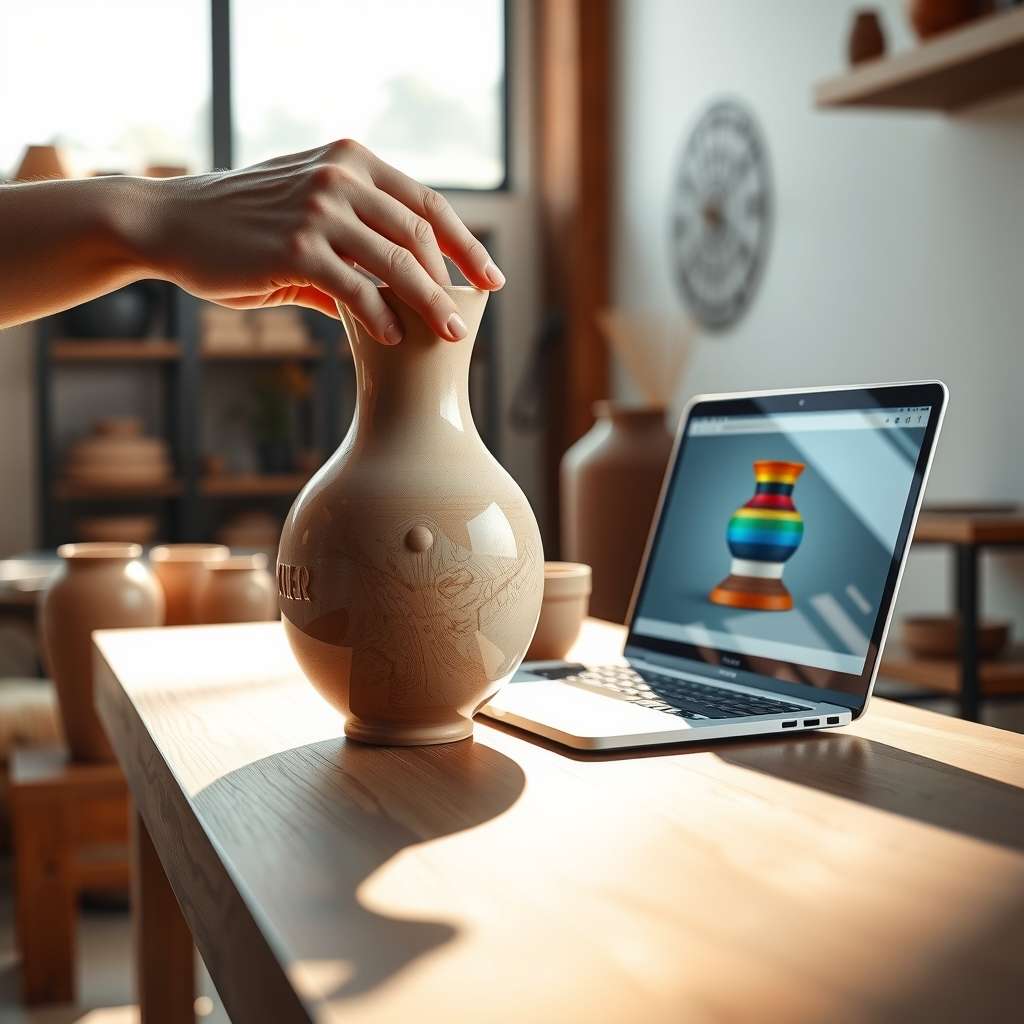
For centuries, Javanese pottery has been more than mere utilitarian craft; it is a living testament to the island’s cultural soul. From the humble kitchen wares of rural villages to the ornate ceremonial vessels displayed in museums, every piece carries stories of ancestral wisdom, spiritual symbolism, and artistic innovation. Yet today, the art of Javanese pottery faces unprecedented pressures—rapid industrialization, dwindling apprenticeship networks, and environmental challenges threaten its continuity. This guide delves into the rich legacy of Javanese pottery, unpacks traditional techniques, highlights modern obstacles, and offers actionable strategies for preservation. Whether you’re a craft enthusiast, cultural advocate, or policymaker, understanding these dynamics is essential for safeguarding this irreplaceable heritage for future generations.
The Rich Legacy of Javanese Pottery
Javanese pottery, or keramik Jawa, traces its origins to the early settlement of the Indonesian archipelago, where clay-rich riverbeds provided the raw material for pottery production. Over millennia, the craft evolved through influences of Hindu-Buddhist kingdoms, Islamic traders, and colonial powers, each leaving an indelible mark on design, function, and technique. Traditional Javanese pottery is renowned for its distinctive low-fire, ash-glazed surfaces that give the ceramics a muted, earthy finish. These wares were integral to daily life, used for cooking, storage, and religious rituals. Today, the heritage of Javanese pottery remains a vital cultural asset, celebrated in festivals and preserved in museums across Java.
Traditional Techniques That Define Javanese Pottery
Clay Selection and Preparation
The journey of a Javanese pottery piece begins with the careful selection of clay from local riverbeds, often enriched with silt and organic matter. Artisans sift the raw material through fine sieves to remove impurities, then mix it with water to achieve the desired plasticity. This meticulous process ensures the clay’s workability and resilience during shaping and firing. In many villages, families have passed down specific clay recipes, preserving subtle variations that influence the final texture and firing behavior. The nuanced understanding of local geology is thus a cornerstone of authentic Javanese pottery.
Hand‑building vs Wheel Throwing
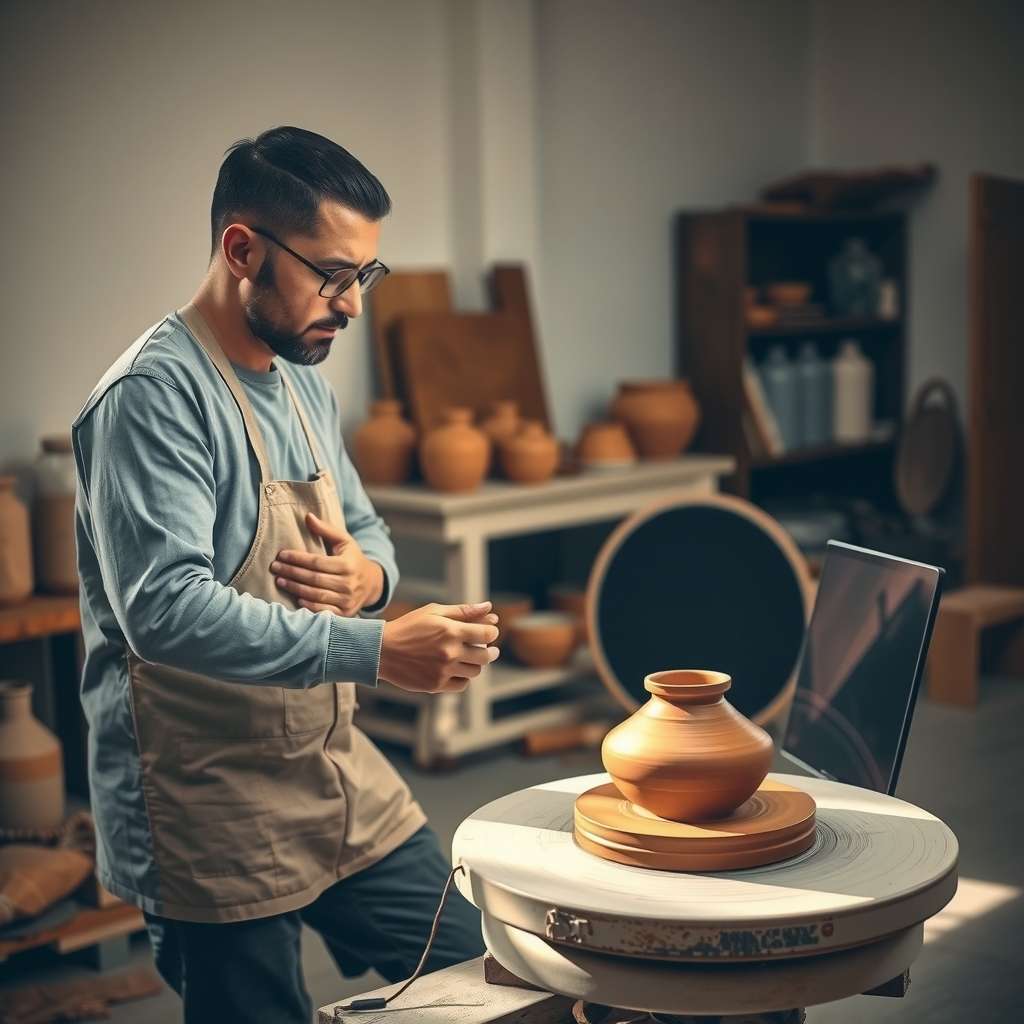
While some modern potters adopt the potter’s wheel for efficiency, traditional Javanese pottery largely relies on hand-building techniques such as coil, pinch, and slab construction. These methods allow artisans to create irregular, organic forms that echo the natural rhythms of the island. Hand-building also facilitates the integration of intricate decorative motifs, as the potter can manipulate the surface before it dries. Nevertheless, the wheel remains an important tool for producing uniform, functional vessels, especially in urban workshops where demand for standardized wares is high.
Natural Glazes and Firing Methods
One of the most distinctive features of Javanese pottery is its natural, ash-based glaze. Artisans scatter ash from hardwood, bamboo, or rice husks onto the surface of the unfired pot, then cover it with a thin layer of clay slurry. During the low-fire process, the ash melts, creating a subtle, translucent glaze that enhances the vessel’s aesthetic and functional qualities. Firing typically occurs in open-air kilns or pit kilns, where temperature control is achieved through careful layering of fuel and airflow management. The resulting finish is not only beautiful but also durable, capable of withstanding the humid tropical climate of Java.
Iconic Styles and Motifs in Javanese Pottery
Batik Patterns on Ceramic
Javanese pottery