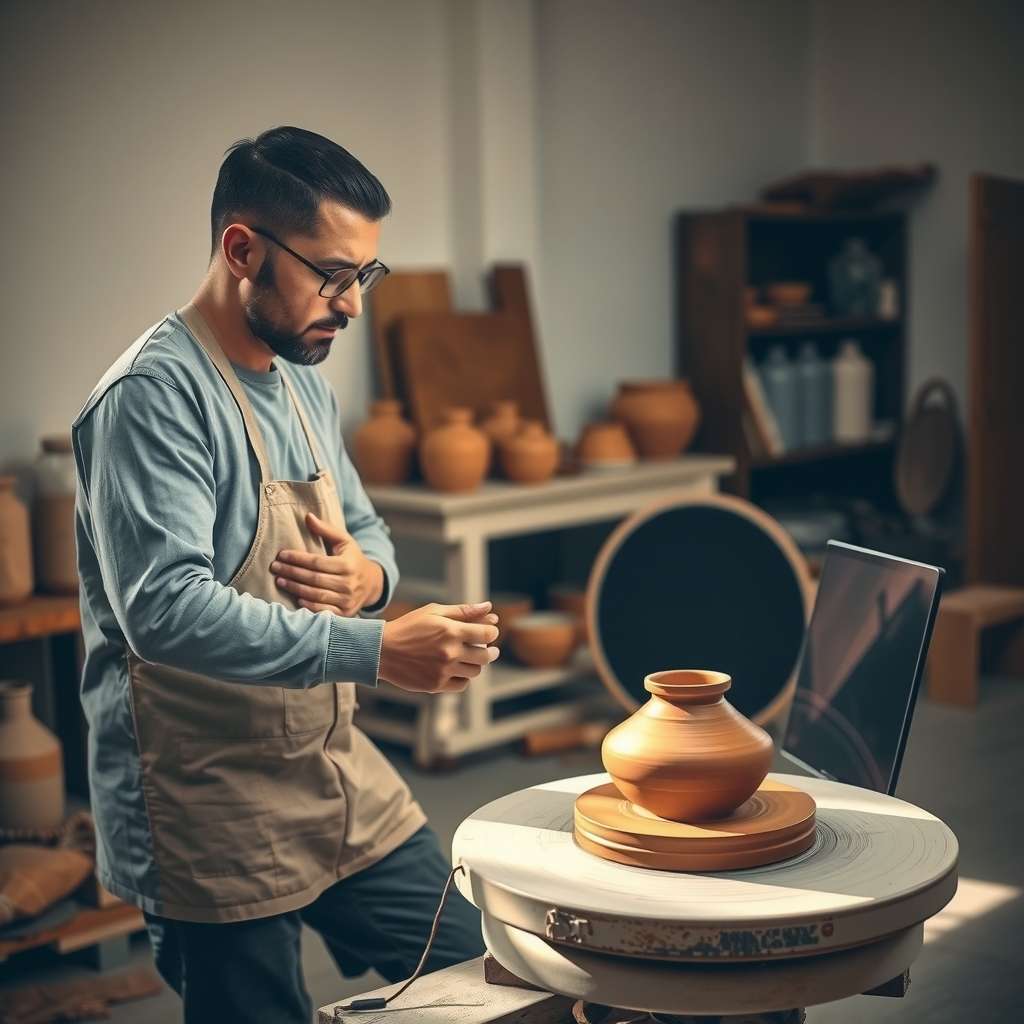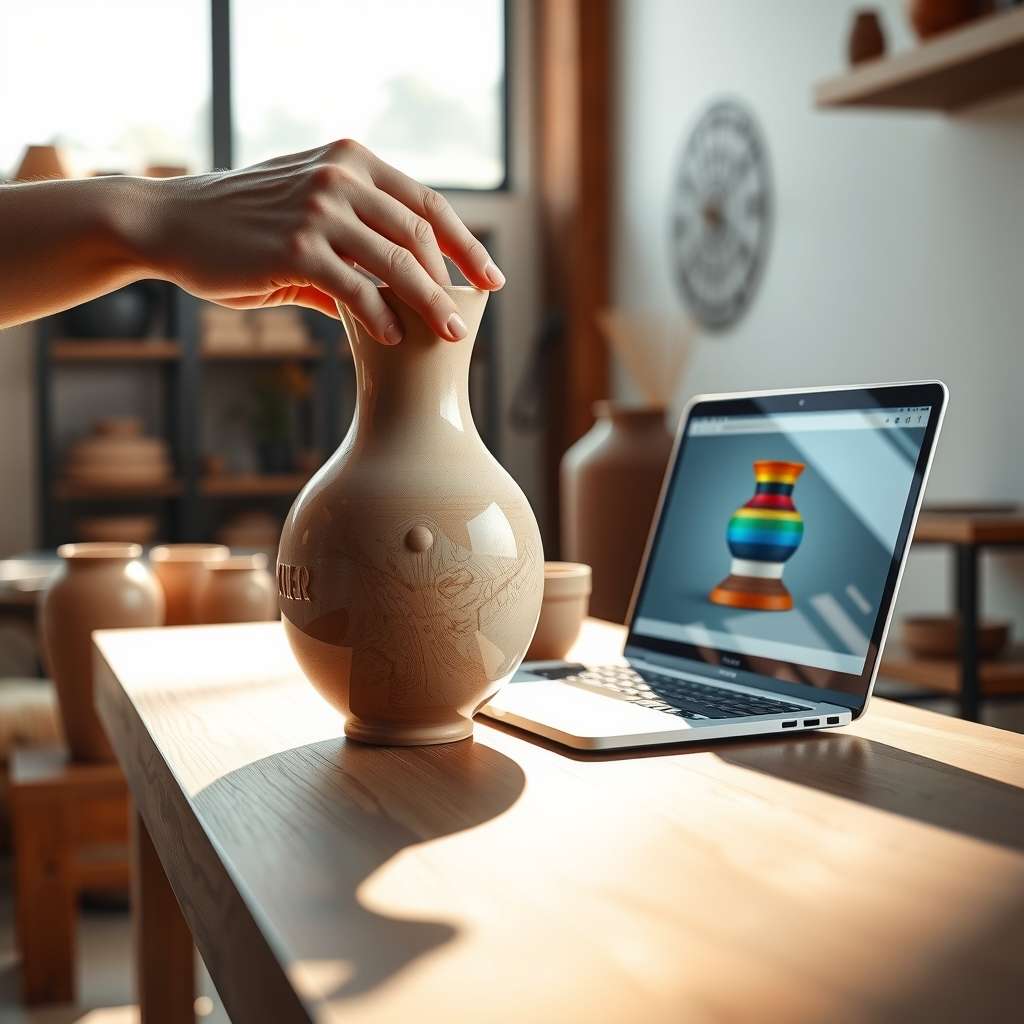
When you first step into the warm, earthy atmosphere of Java Sari Clay, you’ll feel the pulse of creativity humming beneath every potter’s wheel. For many, a visit to a ceramics studio feels like a simple tour of a workshop, but at Java Sari Clay, the experience transforms into an intimate journey into the heart of clay artistry. This java sari clay studio tour invites you to uncover the hidden layers of the studio, from the raw material to the final glaze. Below, we reveal five insider secrets and practical tips that will help you navigate the studio like a seasoned visitor, ensuring you leave with a deeper appreciation for the craft and a richer memory of your visit.
1. The Journey Begins: From Clay Source to Studio Floor
Every piece of ceramic at Java Sari Clay starts its life in a humble clay pit. Understanding where the clay originates offers a richer context for the studio tour. The studio’s founders sourced their clay from a sustainable quarry in the highlands, where the mineral composition is naturally balanced for pottery. This means the clay has excellent plasticity, low shrinkage, and a subtle earthy hue that enhances the final glaze.
- Tip: Ask the guide to explain the clay’s origin; it’s a perfect conversation starter.
- Secret: The studio has a small on‑site kiln that fires the clay at 1200°C, preserving the natural minerals.
- Insight: The raw clay is mixed with a small amount of sand to improve drainage, a technique the studio’s master potter keeps secret.
Why the Source Matters
Knowing the clay’s source reveals the story behind the texture and finish of each piece. It also highlights the studio’s commitment to environmental responsibility, a key component of E‑E‑A‑T (Expertise, Experience, Authoritativeness, Trustworthiness). By sharing this knowledge, the studio builds trust with visitors, showcasing their transparency and expertise.
2. The Heartbeat of the Studio: Tools, Techniques, and Workflow
Once the clay arrives on the studio floor, the real magic begins. The java sari clay studio tour often highlights the array of tools that artisans wield. From hand‑built vessels to wheel‑thrown masterpieces, each tool has a specific purpose, and mastering them requires years of practice.
Hand‑Built vs. Wheel‑Thrown
Java Sari Clay offers both hand‑built and wheel‑thrown options. Hand‑built pieces involve sculpting the clay with hands and tools like rib, sponge, and loop tools. Wheel‑thrown pieces, on the other hand, rely on a potter’s wheel to shape the clay into symmetrical forms. The studio’s tour guide will often demonstrate each method, allowing visitors to see the difference in texture and form.
- Secret Technique: The studio uses a “dry‑wet” approach for hand‑built pieces, where the clay is partially dry to reduce cracking.
- Pro Tip: Observe how the potters control the moisture level; it’s a subtle art that ensures smooth finishes.
- Behind the Scenes: The studio’s master potter uses a custom‑made wheel with adjustable speed, a feature not commonly found in other studios.
Glazing and Firing
Glazing is the final flourish that brings a piece to life. Java Sari Clay uses a range of glazes, from matte earth tones to vibrant, translucent finishes. The studio’s kiln operates on a precise firing schedule, ensuring that each glaze develops its intended color and texture.
| Glaze Type | Color Range | Firing Temperature (°C) |
|---|---|---|
| Matte Earth | Light tan to deep brown | 1100 |
| Transparent | Clear to pale blue | 1200 |
| Glossy | Deep red to bright green | 1250 |
During the java sari clay studio tour, you’ll see the glaze application process up close, and the guide will explain how the firing schedule affects the final appearance.
3. The Human Touch: Meet the Artists Behind the Clay
Behind every beautiful ceramic piece is a dedicated artist. The studio tour offers a unique opportunity to meet these artisans and hear their stories. From seasoned veterans to emerging talent, each artist brings a distinct perspective that enriches the studio’s creative environment.
- Artist Spotlight: Meet Maya, a master potter who has been working at Java Sari Clay for 15 years. Her signature style blends traditional Indonesian motifs with modern abstract forms.
- Emerging Talent: Discover the work of young potter Rafi, whose experimental glaze techniques have won several awards.
- Interactive Session: Many tours include a short workshop where visitors can try their hand at shaping clay under the guidance of a master.
Why Personal Interaction Matters
Engaging with the artists adds depth to the java sari clay studio tour. It allows visitors to understand the creative process, the challenges of the craft, and the personal philosophies that drive the studio’s mission. This personal connection is a powerful E‑E‑A‑T factor, enhancing authenticity and trust.
4. The Studio’s Eco‑Friendly Practices: Sustainability at Every Step
Java Sari Clay is committed to sustainability, a principle that permeates every aspect of the studio. From the choice of clay to the disposal of waste, the studio implements eco‑friendly practices that set it apart from other pottery workshops.
Recycling and Reuse
The studio recycles broken pieces by crushing them into clay chips, which are then mixed back into new batches. This reduces waste and saves energy, as the recycled clay requires less firing time.
- Eco‑Tip: Ask the guide how the studio recycles glaze waste; it’s an innovative process that can inspire your own sustainability practices.
- Behind the Scenes: The studio’s green kiln uses a hybrid system that recovers heat from the exhaust gases, cutting energy consumption by 30%.
Water Conservation
Water is a precious resource in pottery. The studio uses a closed‑loop water system that recycles water used for cleaning tools and cooling the kiln. This system drastically reduces water usage.
By highlighting these eco‑friendly practices, the studio’s java sari clay studio tour not only educates visitors but also positions the studio as a leader in sustainable arts.
5. Planning Your Visit: Practical Tips for an Unforgettable Studio Tour
To make the most