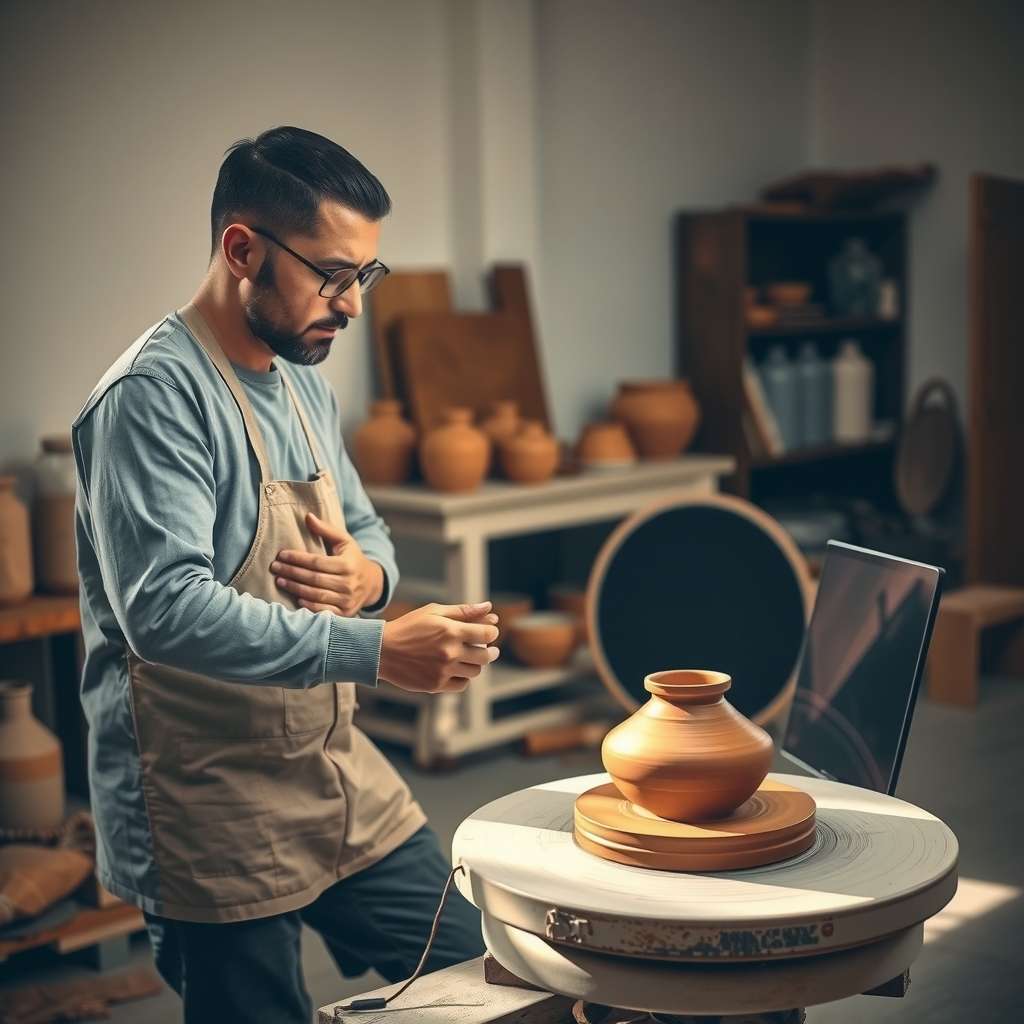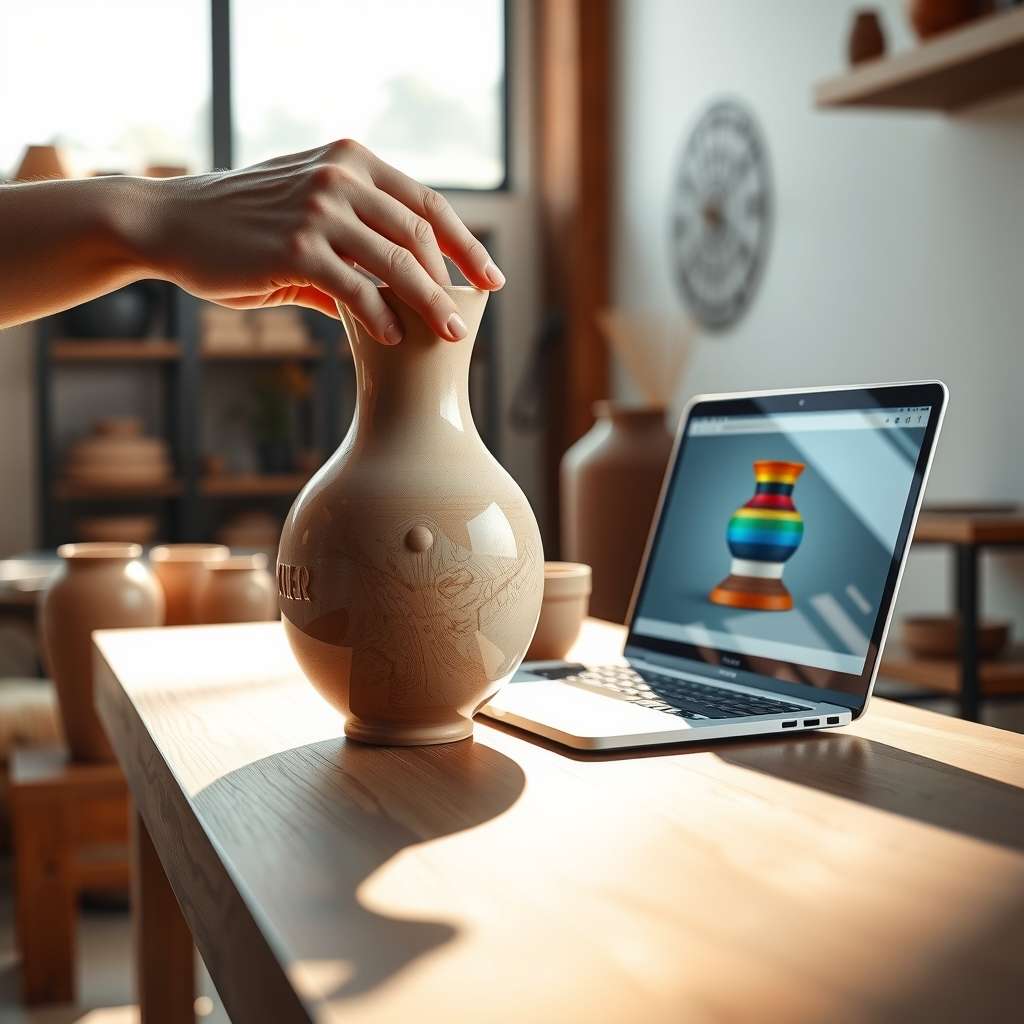
When you walk into a pottery studio, the first thing you notice is the rhythmic hum of the wheel, the earthy scent of wet clay, and the unmistakable joy that comes from shaping raw material into something tangible. This is the world of hand‑thrown pottery, where every vessel tells a story of the artist’s touch, the clay’s personality, and the subtle variations that make each piece truly one‑of‑a‑kind. In 2026, the craft is evolving, blending tradition with technology, and offering new opportunities for both seasoned potters and curious beginners. In this guide, we’ll uncover seven essential secrets that elevate hand‑thrown pottery from a hobby to a refined art form, ensuring every piece you create carries its own distinct character.
1. Master the Foundation: Choosing the Right Clay
Before you even touch the wheel, the foundation of your hand‑thrown pottery begins with the clay you select. Not all clays are created equal—different bodies respond uniquely to temperature, moisture, and pressure. In 2026, potters have a broader palette of clays, including high‑flux stoneware, low‑sodium earthenware, and even experimental organics. Understanding the properties of each type is crucial for achieving the desired strength, texture, and glaze compatibility.
Key Considerations When Selecting Clay
- Plasticity: A clay’s ability to hold shape under stress.
- Workability: How easily the clay can be rolled or thrown.
- Firing Temperature: Determines the final strength and color.
- Color and Mineral Content: Impacts glaze reactions and surface finish.
For example, a high‑plastic stoneware clay is ideal for complex forms, while a low‑plastic earthenware is better suited for delicate, thin‑walled pieces. By matching the clay to your design intent, you lay a solid groundwork for the rest of the creative process.
2. The Wheel’s Whisper: Developing a Consistent Throwing Technique
Hand‑thrown pottery is as much about rhythm as it is about precision. The wheel becomes an extension of your body, translating subtle movements into smooth curves and balanced proportions. A consistent throwing technique ensures that each vessel maintains structural integrity while allowing for creative expression.
Core Elements of a Reliable Throw
- Centering: Achieving a perfectly symmetrical base.
- Speed Control: Adjusting wheel speed to match the clay’s moisture level.
- Hand Placement: Using both hands strategically to shape the walls.
- Pressure Management: Applying gentle pressure to avoid cracks.
Practicing these fundamentals daily turns the wheel from a mechanical tool into a partner that guides your imagination. In 2026, many potters incorporate video analysis to fine‑tune their technique, but the core principles remain unchanged.
3. Texture Matters: Manipulating Surface Finish
A hand‑thrown pottery piece’s surface can dramatically alter its visual impact. From a glossy, mirror‑like glaze to a rough, tactile finish, texture adds depth and personality. Understanding how to manipulate surface finish is essential for creating pieces that resonate with viewers.
Common Surface Techniques
- Burnishing: Polishing the clay with a stone for a sheen.
- Scoring and Slipping: Adding lines or color before glaze.
- Rough Hand‑Rubbing: Creating a natural,