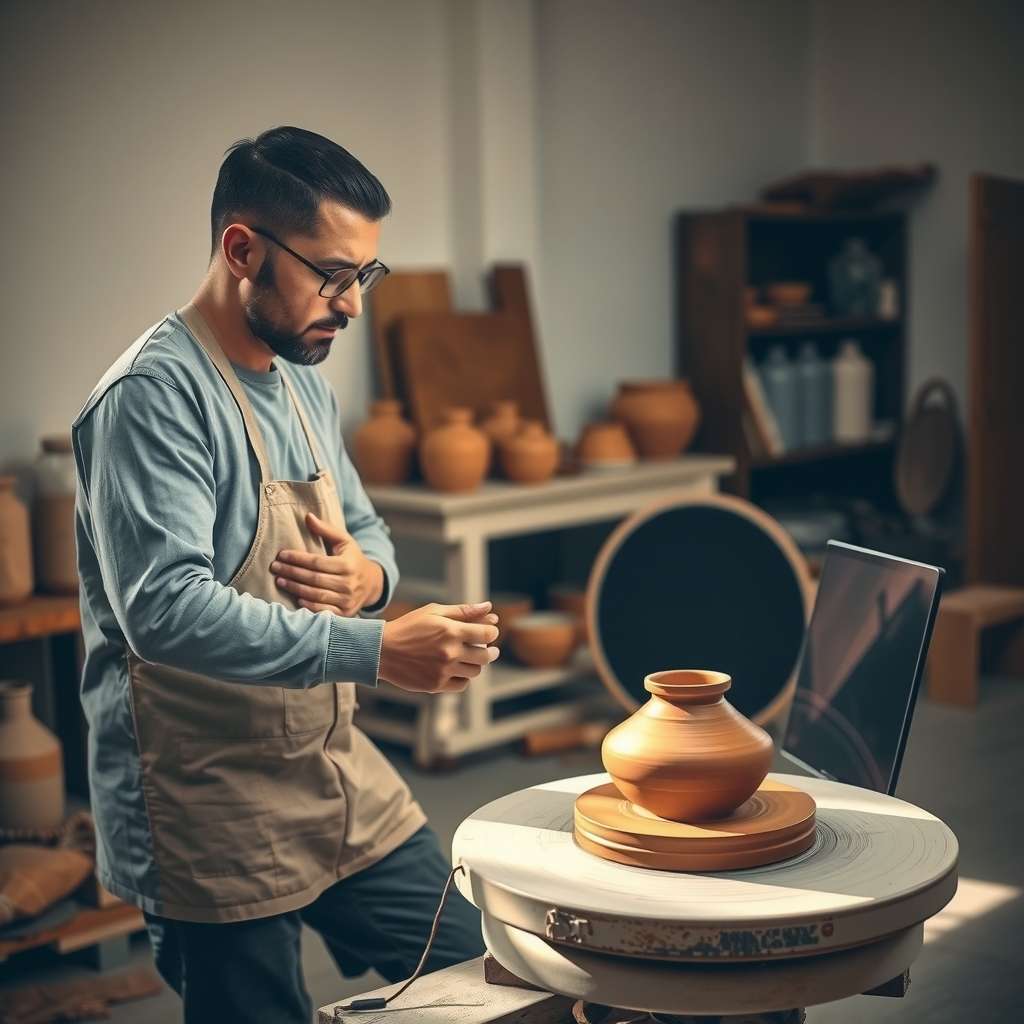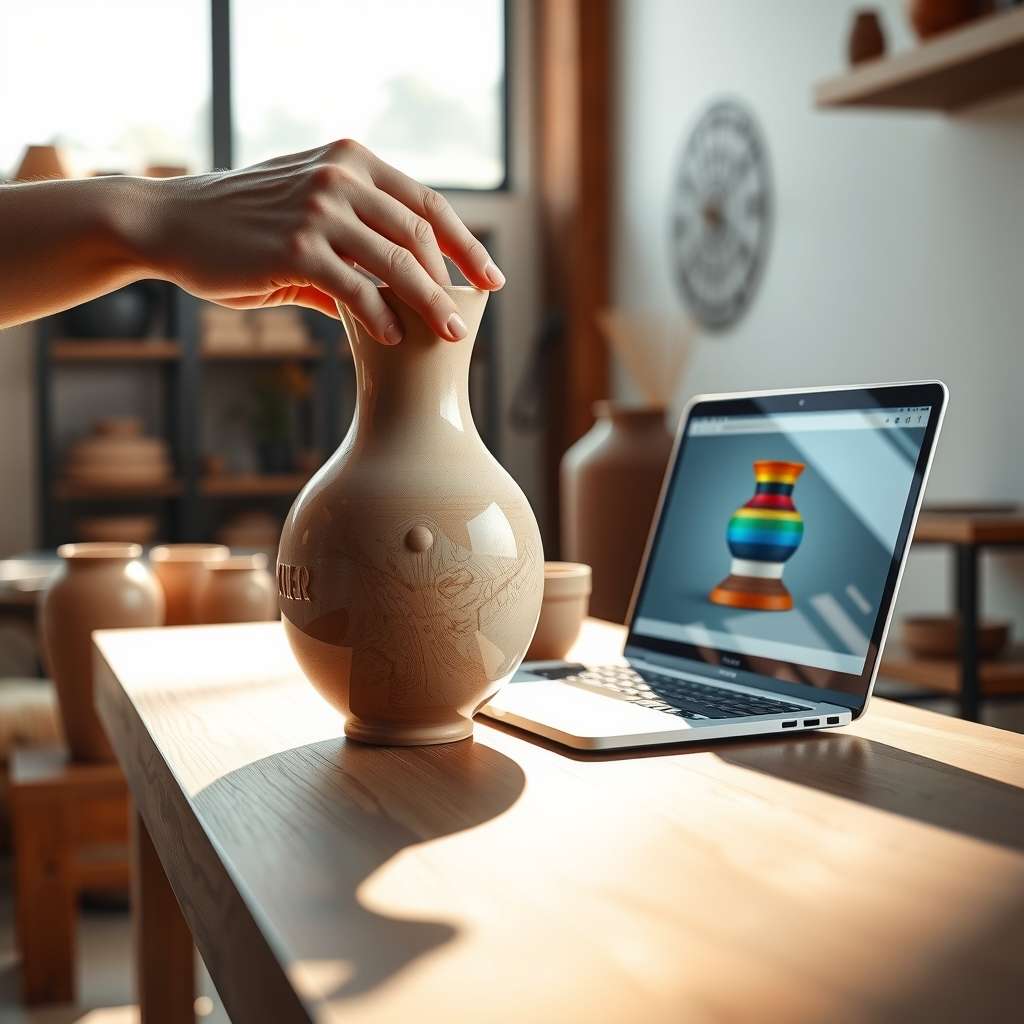
Behind the beauty of Artisanal Ceramic Stoneware lies a world of meticulous craftsmanship, blending traditional techniques with modern creativity. For those who appreciate the unique qualities of handmade ceramics, understanding the process from raw clay to kiln-finished masterpiece is both fascinating and enlightening. In this comprehensive guide, we’ll delve into the intricacies of crafting Artisanal Ceramic Stoneware, covering the essential materials, techniques, and expert advice for both beginners and seasoned artisans.
Introduction to Artisanal Ceramic Stoneware
Artisanal Ceramic Stoneware is renowned for its durability, aesthetic appeal, and the distinct character that only handmade products can possess. The journey from raw clay to a finished piece involves several stages, each requiring patience, skill, and attention to detail. Whether you’re a hobbyist looking to create functional items for your home or an artist seeking to push the boundaries of ceramic art, understanding the basics of Artisanal Ceramic Stoneware production is essential.
Materials and Tools Needed
To begin crafting Artisanal Ceramic Stoneware, you’ll need a few fundamental materials and tools. These include high-quality clay, preferably stoneware or porcelain, which offers strength and translucency; a pottery wheel for shaping; various hand tools for trimming, scraping, and detailing; and a kiln for firing. The choice of clay body, glazes, and underglazes will significantly influence the final appearance and durability of your pieces.
Choosing the Right Clay
The selection of clay is crucial in Artisanal Ceramic Stoneware production. Stoneware clay, known for its plasticity and strength when fired, is a popular choice for functional ware due to its durability and resistance to water. Porcelain, another option, is valued for its whiteness, translucency, and strength, although it can be more challenging to work with due to its lower plasticity.
The Crafting Process
The process of crafting Artisanal Ceramic Stoneware can be broadly divided into several key stages: wedging, throwing, trimming, drying, first firing (bisque firing), glazing, and final firing. Each stage requires careful attention to ensure that the final product meets the desired standards of quality and aesthetic appeal.
- Wedging: This involves kneading the clay to remove any air pockets, making it more pliable and easier to shape.
- Throwing: Using a pottery wheel, the clay is shaped into the desired form, whether it’s a bowl, vase, or plate.
- Trimming: Once the piece has dried slightly, it’s trimmed to refine its shape and remove excess clay from the bottom and foot ring.
- Drying: The piece must be dried slowly and carefully to prevent cracking. This can be done under a damp cloth or in a controlled environment.
- Bisque Firing: The first firing, done at a lower temperature, hardens the clay and prepares it for glazing.
- Glazing: Applying a glaze to the bisque-fired piece, which will melt and form a glassy surface during the final firing.
- Final Firing: The glazed piece is fired at a higher temperature, fusing the glaze with the clay body to create the final, durable, and food-safe product.
Techniques for Decorating Artisanal Ceramic Stoneware
Beyond the basic process of crafting Artisanal Ceramic Stoneware, decorators and artists can employ a variety of techniques to add visual interest and personality to their pieces. These include underglaze painting, overglaze enameling, slip trailing, and stamping, among others. The choice of technique often depends on the desired effect, the type of clay and glaze used, and the artist’s personal style.
Underglaze Painting
Underglaze painting involves applying pigment to the clay body before glazing. This technique allows for detailed, colorful designs that are then protected by a layer of clear glaze during the final firing. It’s a method that requires precision and patience but can yield stunning results.
Tips for Beginners
For those new to crafting Artisanal Ceramic Stoneware, starting with simple projects and gradually moving to more complex ones is advisable. Practicing on smaller pieces can help build confidence and refine technique. Additionally, joining a pottery class or workshop can provide valuable hands-on experience and the opportunity to learn from more experienced artisans.
Conclusion
Crafting Artisanal Ceramic Stoneware is a journey that combines technical skill with artistic expression. Whether you’re driven by the desire to create functional items for daily use or to explore the boundaries of ceramic art, understanding and mastering the process of crafting Artisanal Ceramic Stoneware can be deeply rewarding. With patience, practice, and a willingness to learn, anyone can embark on this creative path. So, start your ceramic journey today and discover the joy of shaping raw clay into beautiful, functional pieces of art that reflect your unique touch and style.
For further guidance and to delve deeper into the world of ceramics, consider exploring online resources, books, and local pottery classes. The community of ceramic artisans is vast and supportive, offering a wealth of knowledge and inspiration for those eager to learn and grow. Happy crafting!