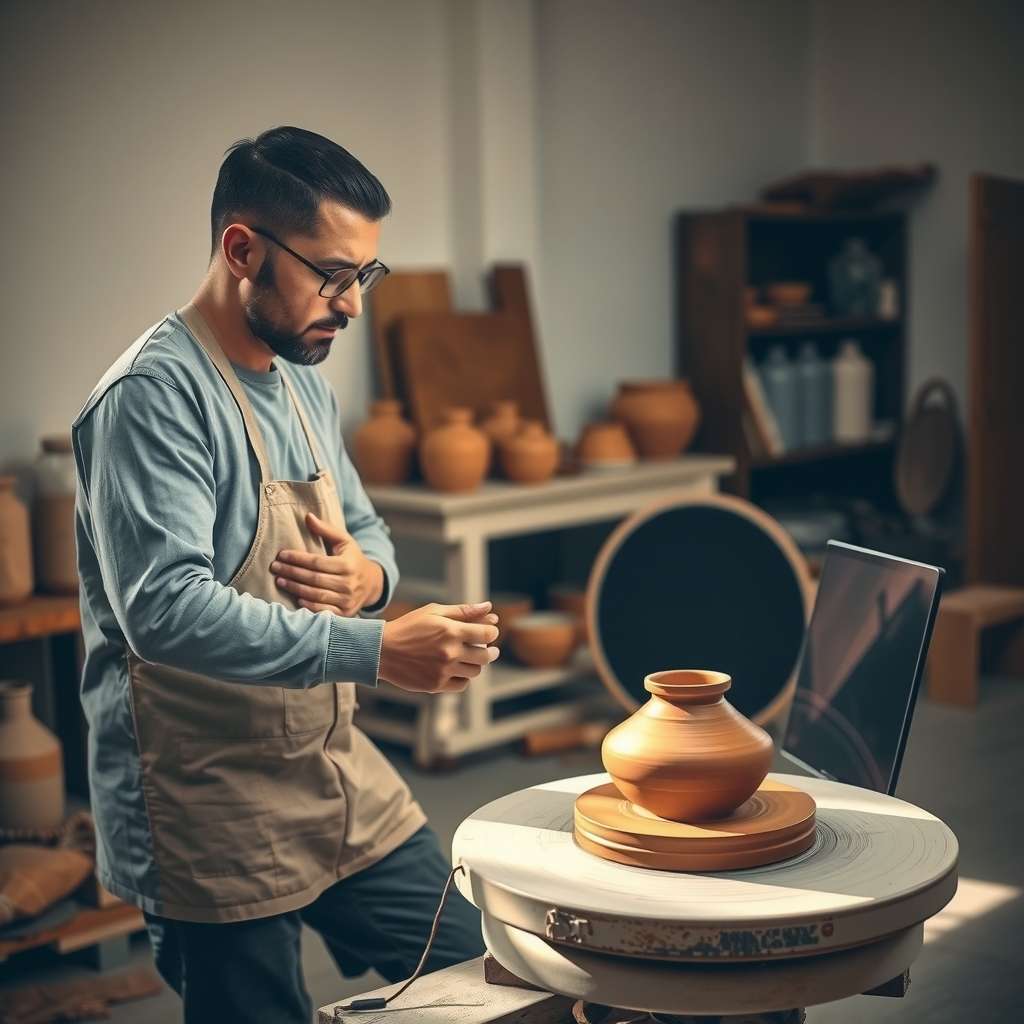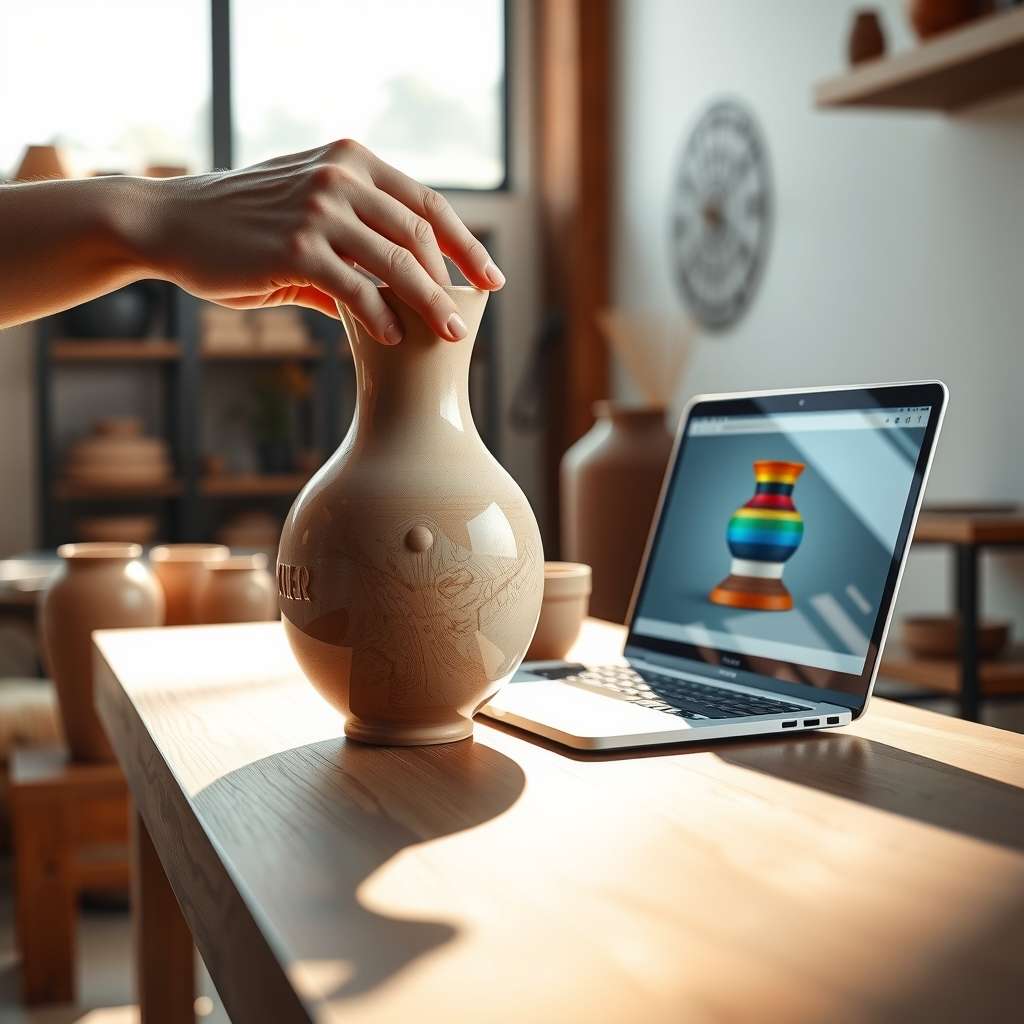
In a world saturated with mass‑produced goods, the allure of handmade ceramics has never been stronger. From minimalist vases to intricately glazed bowls, consumers are willing to pay a premium for pieces that carry a story, a touch of individuality, and a commitment to craftsmanship. Yet, the term handmade ceramics price often raises eyebrows—why is a single pot sometimes twice or even three times the cost of its factory‑made counterpart? The answer lies in a complex web of artistry, materials, labor, and brand narrative. In this in‑depth guide, we’ll break down the seven key factors that drive the higher handmade ceramics price in 2024, offering clarity for buyers, creators, and industry insiders alike.
1. Artisan Skill and Labor Intensity
Every handmade ceramic starts with a potter’s hands. Unlike automated processes, the craft of shaping, bisque firing, glazing, and finishing requires meticulous attention and years of practice. The handmade ceramics price reflects this labor intensity, as artisans invest countless hours honing techniques that machines cannot replicate. In 2024, the global demand for bespoke pottery has surged, further driving up the cost of skilled labor. Additionally, many potters now operate small studios, meaning overhead costs—rent, utilities, and studio maintenance—are directly passed on to the consumer. This direct link between artisan effort and price ensures that the handmade ceramics price remains a true reflection of the time and expertise invested.
Skill Development and Continuous Learning
Pottery is a lifelong learning journey. Mastery of clay bodies, kiln schedules, and glaze chemistry demands continuous experimentation and study. Artists often attend workshops, collaborate with peers, and invest in advanced kiln technology, all of which contribute to the handmade ceramics price. The knowledge that a piece has been crafted by a seasoned professional adds intangible value that consumers recognize and are willing to pay for.
2. Premium Materials and Sourcing
High‑quality clays, rare minerals, and ethically sourced pigments are essential to creating pieces that stand out. The handmade ceramics price encompasses the cost of sourcing premium materials that deliver both aesthetic brilliance and structural integrity. In 2024, sustainable sourcing has become a key differentiator, with artisans opting for locally sourced clays that reduce carbon footprints and support regional economies. These choices, while environmentally responsible, also increase material costs, justifying a higher handmade ceramics price.
Glaze Innovation and Chemical Safety
Developing safe, vibrant glazes involves rigorous testing and sometimes proprietary formulations. The investment in research and safety compliance—particularly for food‑safe ceramics—adds to the overall handmade ceramics price. Consumers value the assurance that the glaze is non‑toxic, which is a premium feature absent in many mass‑produced alternatives.
3. Unique Design and Customization
One of the biggest draws of handmade pottery is its uniqueness. Each piece bears subtle variations—hand‑painted motifs, slight differences in glaze sheen, or intentional asymmetry that celebrates the human touch. These design elements elevate the handmade ceramics price by offering exclusivity. In 2024, custom orders—where buyers specify size, shape, and color—have become increasingly popular, further inflating the handmade ceramics price due to the bespoke nature of the work.
Artist Signature and Storytelling
Many potters embed their signature or a personal narrative into each item. This storytelling layer adds emotional resonance, turning a functional object into a collector’s item. The added narrative value is reflected in the handmade ceramics price, as buyers often pay more for pieces that carry a story or cultural significance.
4. Limited Production Runs
Unlike factory production lines that churn out thousands of units, handmade studios often produce small batches. Limited runs create scarcity, a powerful driver of price. The handmade ceramics price benefits from this scarcity, as collectors and interior designers seek exclusive items that set their spaces apart. In 2024, the trend toward limited editions has intensified, with many artists releasing numbered series that command higher prices.
Quality Control and Consistency
Every handmade piece undergoes rigorous quality checks. A single flawed item can be discarded, which means the studio’s output is highly selective. This commitment to perfection ensures that each piece meets high standards, justifying the premium handmade ceramics price.
5. Market Perception and Brand Story
Branding has become as vital to pottery as the craft itself. A strong brand narrative—highlighting heritage, sustainability, or artistic vision—can elevate the perceived value of a piece. The handmade ceramics price often reflects this enhanced perception. In 2024, artists who leverage social media, exhibitions, and collaborations with designers can command higher prices due to increased visibility and credibility.
Retail Partnerships and Distribution Channels
Handmade artists partnering with boutique retailers or online platforms pay a premium for curated exposure. These partnerships add distribution costs, which are incorporated into the handmade ceramics price. The curated environment also reassures consumers about quality, further supporting higher price points.
6. Sustainability and Ethical Production
Today’s consumers are increasingly eco‑conscious, valuing products that minimize environmental impact. Handmade studios often adopt low‑emission kilns, recycled glazes, and responsible waste management. The handmade ceramics price reflects these sustainable practices, as the cost of green production methods is higher than conventional manufacturing. In 2024, sustainability has become a decisive factor in purchasing decisions, allowing artisans to justify premium pricing.
Fair Labor Practices
Transparent labor practices—fair wages, safe working conditions—add social value to each piece. Consumers are willing to pay more for ethically produced goods, and this willingness is mirrored in the handmade ceramics price. Ethical production not only enhances brand reputation but also contributes to a higher perceived value.
7. The Future of Handmade Ceramics Pricing
Looking ahead, the handmade ceramics price is poised to evolve with technological advancements and shifting consumer preferences. Digital tools such as 3D modeling and predictive glazing can streamline production, potentially reducing costs. However, the core values