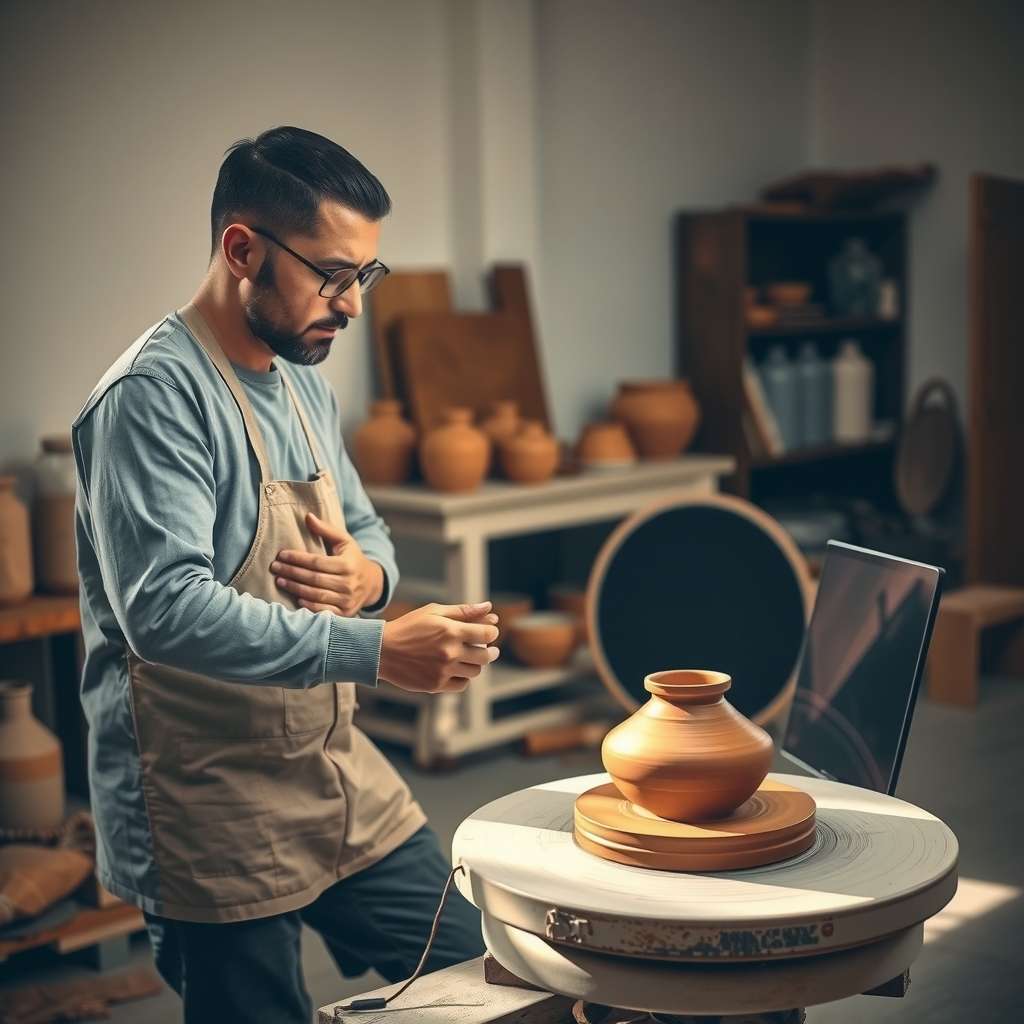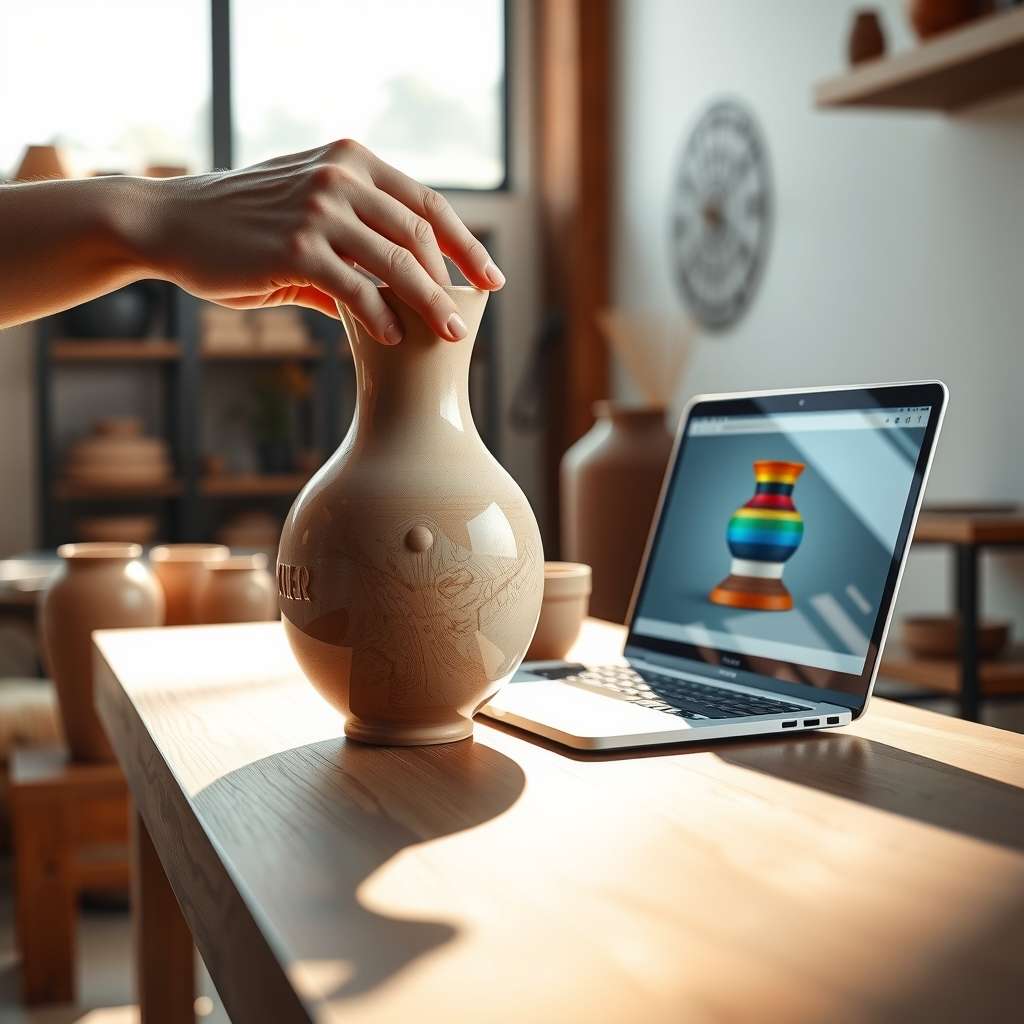
When you pick up a chipped mug or a dented plate from a big-box retailer, you’re witnessing the limits of mass‑produced tableware. In contrast, a piece of handmade ceramics feels solid, warm, and almost timeless. The secret lies in handmade ceramics durability, a quality that artisans cultivate through meticulous material selection, precise firing techniques, and an intimate relationship with their craft. This article explores four definitive ways that handmade ceramics not only survive but thrive in everyday use, proving that investing in handcrafted tableware is a decision that pays off for years to come.
1. Craftsmanship and Material Selection
At the heart of handmade ceramics durability is the choice of clay. Artisans source high‑quality, locally available clays that are low in impurities and rich in natural fibers. These fibers act as natural reinforcements, enhancing the structural integrity of the finished piece. Unlike factory‑produced ceramics that rely on mass‑processing and additives, hand‑selected clays maintain a consistent composition, ensuring each item inherits the same strength characteristics.
Another critical factor is the hand‑building technique. Whether through coil, slab, or pinch methods, the artisan’s touch creates subtle variations in wall thickness and joint placement, which in turn influence how stress distributes across the piece. This artisanal control allows for strategic reinforcement—such as thicker rims or deeper bases—where wear is most likely to occur, a nuance often lost in automated production lines.
Wheel throwing, while faster, still benefits from the potter’s skill in shaping the clay’s body. The tension and compression achieved during spinning produce a uniform density that resists cracking. Skilled throwers can adjust the rate and pressure of the wheel to create a denser core, a technique that significantly boosts handmade ceramics durability compared to mass‑produced counterparts.
Finally, the hand‑applied underglaze and glaze layers are meticulously chosen for their compatibility with the clay body. A glaze that bonds well to the surface prevents flaking and micro‑cracks, which are common in factory‑glazed items due to mismatched thermal expansion coefficients. This harmonious pairing of clay and glaze is a hallmark of handmade ceramics durability, ensuring the piece remains intact through countless washes and uses.
2. The Firing Process and Its Impact on Durability
Firing is where the raw clay transforms into a resilient ceramic. Hand‑crafted pieces are often fired in low‑to‑medium temperature kilns, allowing artisans to monitor and adjust the atmosphere meticulously. This controlled environment reduces the risk of thermal shock, a leading cause of cracks in mass‑produced ceramics that are fired at high temperatures in a single batch.
During bisque firing, the clay body is softened enough to allow for minor adjustments, but not so soft that it loses its shape. The bisque stage also drives off residual moisture, which is crucial for preventing future crazing. By firing each piece individually, potters can detect and correct any anomalies, a level of quality control that mass production simply cannot match.
Glaze firing, the final step, is where the glaze fully matures and bonds to the ceramic. Hand‑made pieces often undergo a slower, more gradual heat ramp, allowing the glaze to set evenly and preventing glaze defects. The result is a smooth, crack‑free surface that resists chipping and staining, directly contributing to