Picture a dinner table bathed in warm, earthy tones, each centerpiece a testament to time‑honored artistry. Handcrafted ceramic bowls, with their subtle imperfections and vibrant glazes, bring a touch of authenticity and elegance to any setting. Whether you’re hosting a formal banquet or a casual family meal, these bowls can transform ordinary dishes into memorable experiences. In this guide, we’ll explore how to select, style, and care for handcrafted ceramic bowls, and reveal five powerful techniques to elevate your table to a new level of sophistication.
The Artistry Behind Handcrafted Ceramic Bowls
1.1 The Traditional Craft
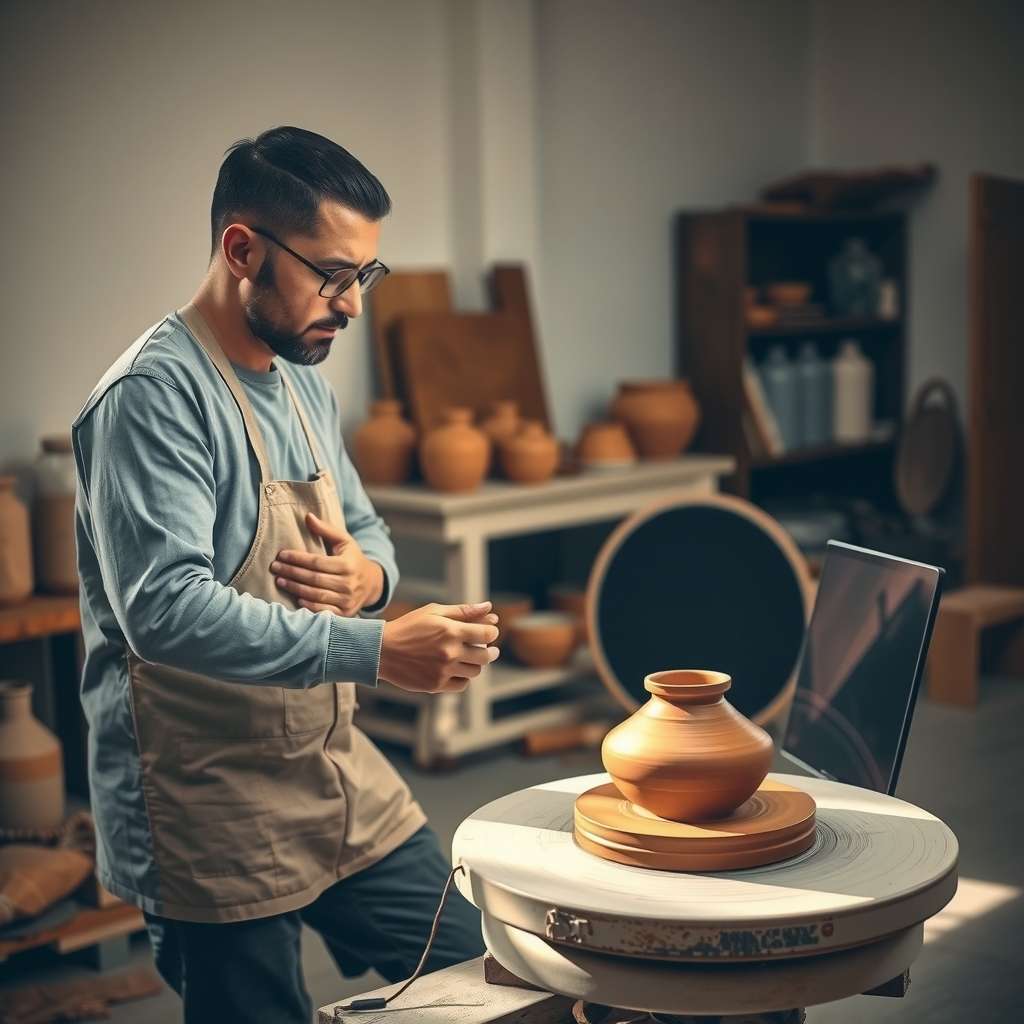
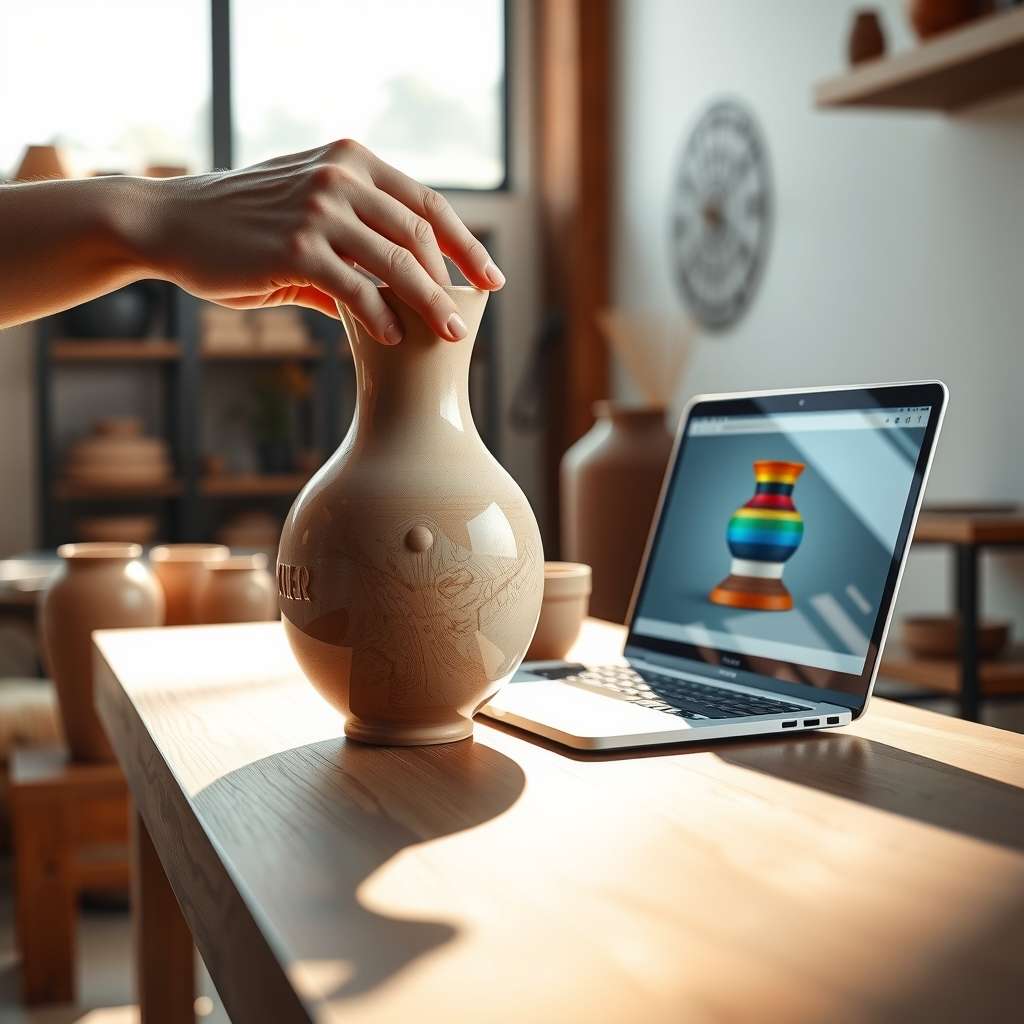
Handcrafted ceramic bowls originate from centuries of pottery tradition, where artisans hand‑throw clay on a wheel, shaping each bowl with precision and care. The process begins with selecting the finest local clay, then wedging it to remove air pockets before the wheel spins. The potter’s hands guide the clay into a harmonious curve, creating a bowl that balances depth, width, and thickness. After drying, the bowl undergoes bisque firing, which hardens the shape and prepares it for glazing. Each glaze is mixed by hand, ensuring unique color variations that give every bowl a distinct character. This meticulous craft results in bowls that are not merely functional but also works of art.
1.2 Modern Innovations
While the core techniques remain rooted in tradition, contemporary ceramicists have embraced modern tools and sustainable practices. Hand‑thrown bowls now often feature subtle glaze runs, intentional crackle patterns, and even recycled clays sourced from urban waste. Many artisans collaborate with designers to create limited‑edition series that marry classic forms with avant‑garde aesthetics. The result is a new generation of handcrafted ceramic bowls that honor heritage while pushing creative boundaries. These modern pieces often incorporate eco‑friendly glazes, making them both beautiful and responsible choices for the conscientious consumer.
Choosing the Right Handcrafted Ceramic Bowls for Your Table
2.1 Size and Shape
When selecting handcrafted ceramic bowls, consider the intended use and the overall table layout. A classic round bowl with a shallow rim is ideal for salads or dips, while a deeper, oval bowl works well for soups or grain bowls. For a cohesive look, choose bowls that share a common silhouette—either all round, all oval, or a deliberate mix. Pay attention to the height of the bowl; taller bowls create vertical interest, whereas lower bowls offer a more grounded feel. Remember, the size should complement the dish it holds and the size of the plates you’ll use alongside it.
2.2 Color and Glaze
Color is a powerful tool in table setting design. Handcrafted ceramic bowls come in a spectrum of glazes—from muted earth tones to bold jewel hues. If you want a monochromatic look, choose bowls that share a subtle glaze variation. For a pop of color, select one bowl as a focal point while keeping the rest neutral. Glaze texture also plays a role; matte finishes exude understated elegance, whereas glossy glazes reflect light for a more dramatic effect. When layering colors, consider the overall palette of your dinnerware and table linens to ensure harmony.
2.3 Material and Durability
Not all ceramic bowls are created equal. Some use high‑fire stoneware clays that are more durable and dishwasher safe, while others use low‑fire earthenware that may require hand washing. If you plan to use the bowls frequently, look for stoneware or porcelain options that can withstand higher temperatures and frequent washing. However, if you’re looking for a more rustic aesthetic, low‑fire earthenware with a natural glaze can add warmth to the setting. Always check the manufacturer’s care instructions to maintain the bowl’s integrity over time.
Five Ways to Perfect Your Table with Handcrafted Ceramic Bowls
3.1 Create a Color Palette
Start by establishing a cohesive color scheme that reflects the mood you wish to convey. Handcrafted ceramic bowls allow you to experiment with subtle variations in hue. For a tranquil, beach‑inspired setting, pair cool blues and sandy neutrals. If you’re aiming for a vibrant, Mediterranean feel, incorporate terracotta, cobalt, and emerald tones. Once the palette is chosen, use bowls to anchor the theme. A single bowl in a striking color can serve as a centerpiece, while the remaining bowls stay within the same family of shades. This approach ensures a harmonious table that feels