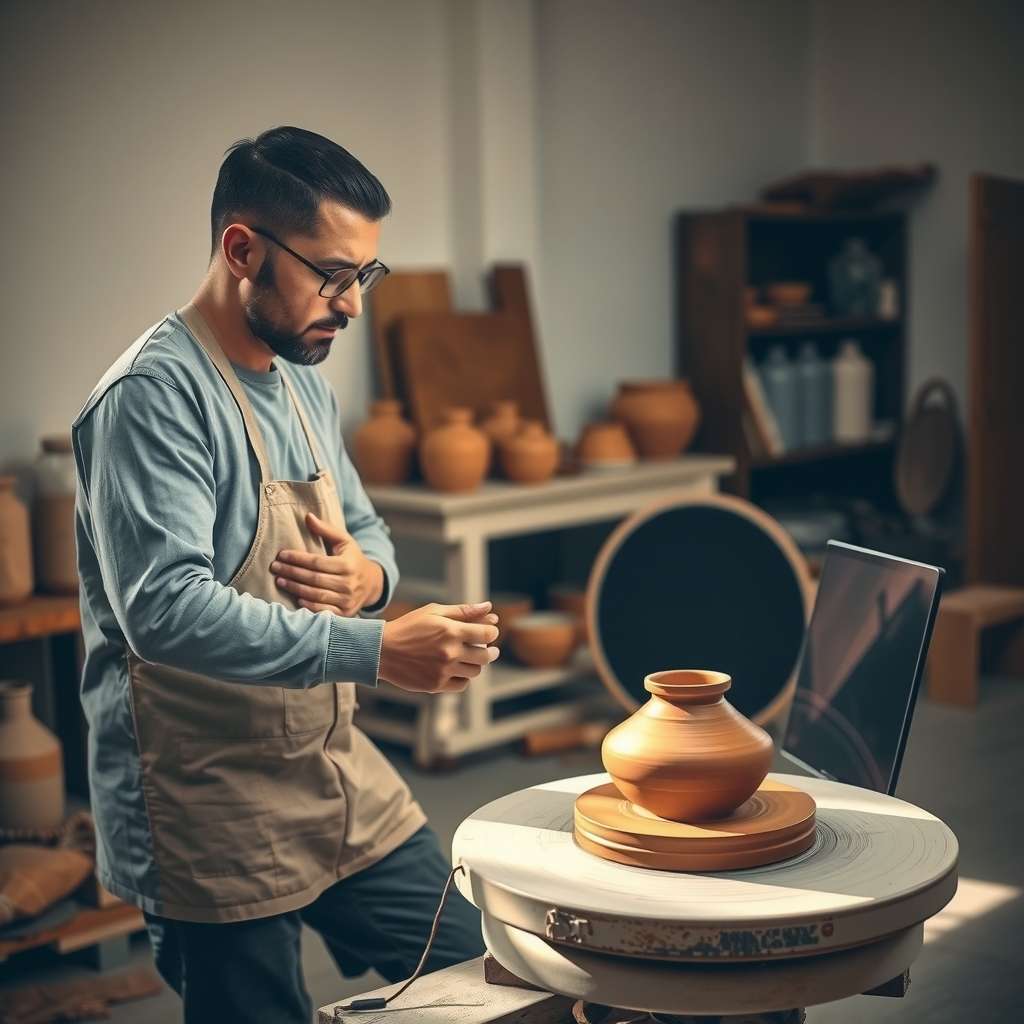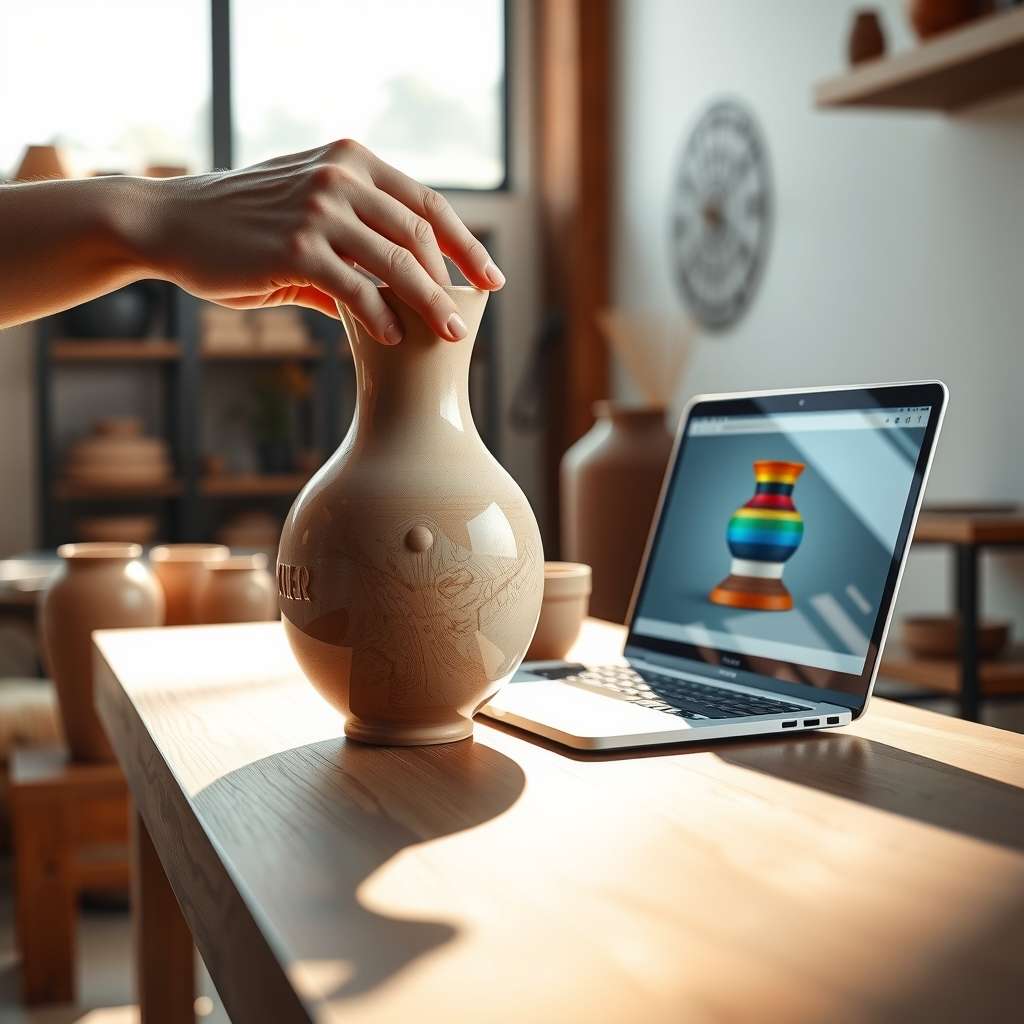
In a world where design is as much about storytelling as it is about function, custom ceramics for furniture has emerged as a powerful medium for brands to express their unique identity. Imagine a coffee table that doubles as a piece of art, a dining chair that showcases intricate hand‑painted patterns, or a storage unit finished with a bespoke glaze that reflects a brand’s ethos. These are not mere accessories; they are statements. For furniture and living brands worldwide, the challenge lies not only in creating striking pieces but also in scaling production without compromising on quality or sustainability. This guide dives deep into the nuances of bulk custom ceramics, offering actionable insights that will help you navigate design, manufacturing, and market positioning in 2026 and beyond.
1. Why Custom Ceramics for Furniture Matter in 2026
Custom ceramics for furniture have become a cornerstone of contemporary interior aesthetics. Unlike mass‑produced metal or plastic, ceramic offers a tactile depth, a luminous finish, and the ability to integrate complex motifs that resonate with consumers seeking individuality. In 2026, the trend towards experiential living spaces amplifies the demand for furniture that is not just functional but also a narrative device. Brands that master the art of custom ceramics for furniture can differentiate themselves, command premium pricing, and foster brand loyalty.
2. Design Foundations: From Concept to Prototype
Every successful custom ceramic piece starts with a clear vision. Begin by defining the core message you wish to convey—whether it’s heritage, innovation, or sustainability. Sketch preliminary designs or use CAD tools to model the geometry, ensuring that the ceramic form complements the underlying furniture structure. Pay special attention to:
- Scale and Proportion: The ceramic element should harmonize with the furniture’s dimensions.
- Texture and Finish: Decide between matte, glossy, or textured surfaces that align with brand aesthetics.
- Color Palette: Choose glazes that reflect current trends and the brand’s identity.
- Durability Requirements: Consider wear resistance for high‑traffic areas.
2.1. Leveraging Digital Mock‑Ups
Digital rendering tools allow designers to experiment with glaze simulations, lighting effects, and material overlays. By creating realistic mock‑ups, you can identify potential design flaws early, reducing costly iterations during the production phase. This approach ensures that the final custom ceramics for furniture product meets both aesthetic and functional expectations.
3. Material Selection: Choosing the Right Ceramic Base
Choosing the appropriate ceramic substrate is pivotal. Common options include:
| Material | Strength | Finish | Best Use |
|---|---|---|---|
| Bisque Porcelain | High | Smooth | Fine Art & Luxury Furniture |
| Stoneware | Medium | Textured | Outdoor & Commercial Furniture |
| Bone China | High | Translucent | Elegant Dining Pieces |
| Recycled Clay | Low–Medium | Eco‑Friendly | Sustainability‑Focused Brands |
Each material offers distinct advantages. For instance, bisque porcelain provides a flawless canvas for intricate hand‑painted designs, while stoneware’s robust nature suits outdoor furniture that must withstand weather variations. Align material choice with the brand’s sustainability goals and functional requirements.
4. Production Techniques: From Hand‑Glazing to Advanced Automation
The production of custom ceramics for furniture can range from artisanal hand‑glazing to high‑volume automated processes. Understanding the trade‑offs between these methods is essential for scaling efficiently.
- Hand‑Glazing and Painting: Offers unparalleled uniqueness and allows artisans to embed subtle variations, making each piece a collector’s item.
- Digital Printing on Ceramic: Enables precise replication of complex patterns and logos, ideal for bulk orders that require brand consistency.
- Automated Glaze Application: Combines speed with consistency, suitable for large volumes without sacrificing finish quality.
- Low‑Temperature Firing: Reduces energy consumption, aligning with sustainability targets and lowering production costs.
4.1. The Role of 3D Printing in Custom Ceramics
3D printing has revolutionized the way designers approach custom ceramics. By printing ceramic molds or even the final ceramic piece itself, manufacturers can achieve intricate geometries that were previously impossible. This technology also shortens lead times, allowing brands to respond swiftly to market trends.
5. Bulk Production Strategies for Cost Efficiency
Scaling up production of custom ceramics for furniture demands meticulous planning. Consider the following strategies to balance cost and quality:
- Batch Standardization: Group designs into batches that share similar glazes or firing schedules to reduce setup times.
- Supplier Consolidation: Partner with ceramic manufacturers that offer integrated services—clay sourcing, glaze formulation, and firing—to streamline the supply chain.
- Lean Production Principles: Implement just‑in‑time inventory for raw materials to minimize waste.
- quality audits: Conduct regular audits at each production stage to catch defects early.
5.1. Negotiating with Ceramic Factories
When engaging with manufacturers, clarity on specifications, lead times, and after‑sales support is critical. Draft comprehensive technical briefs that cover: