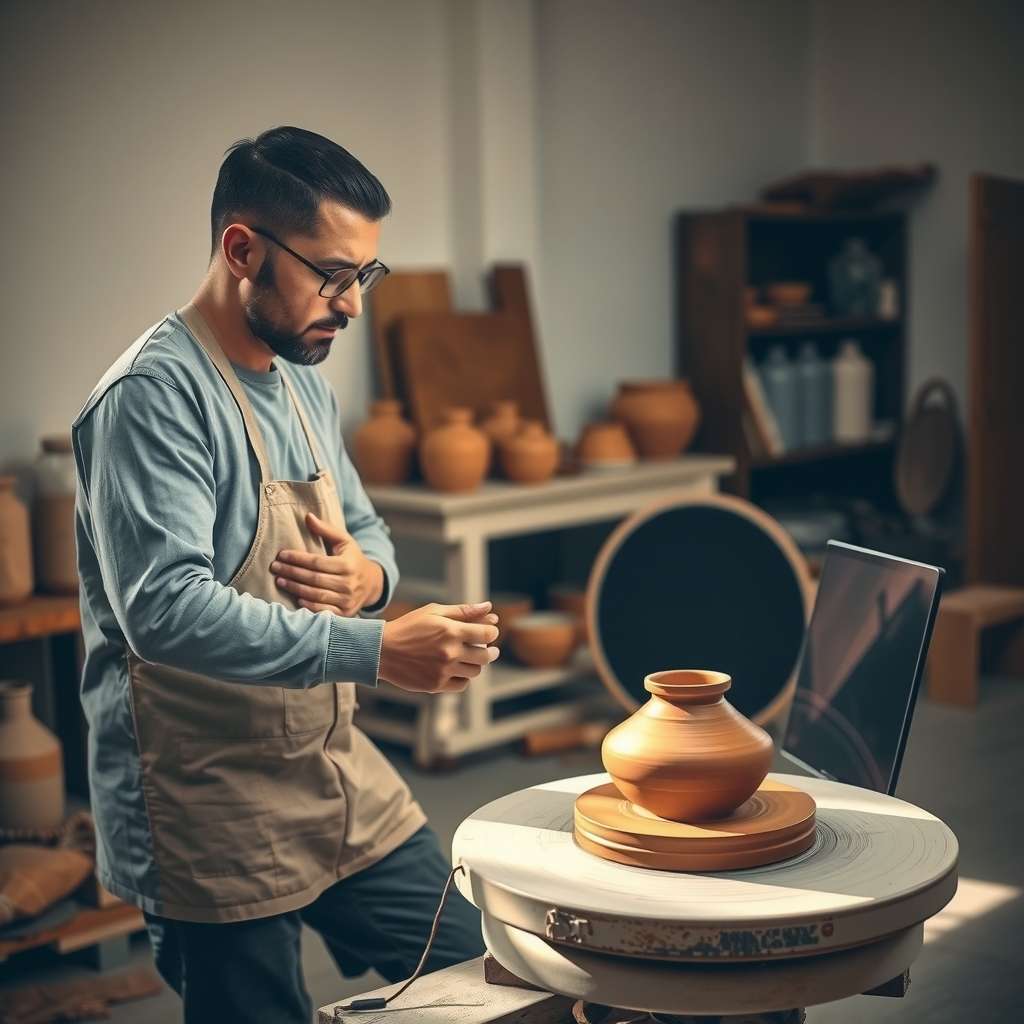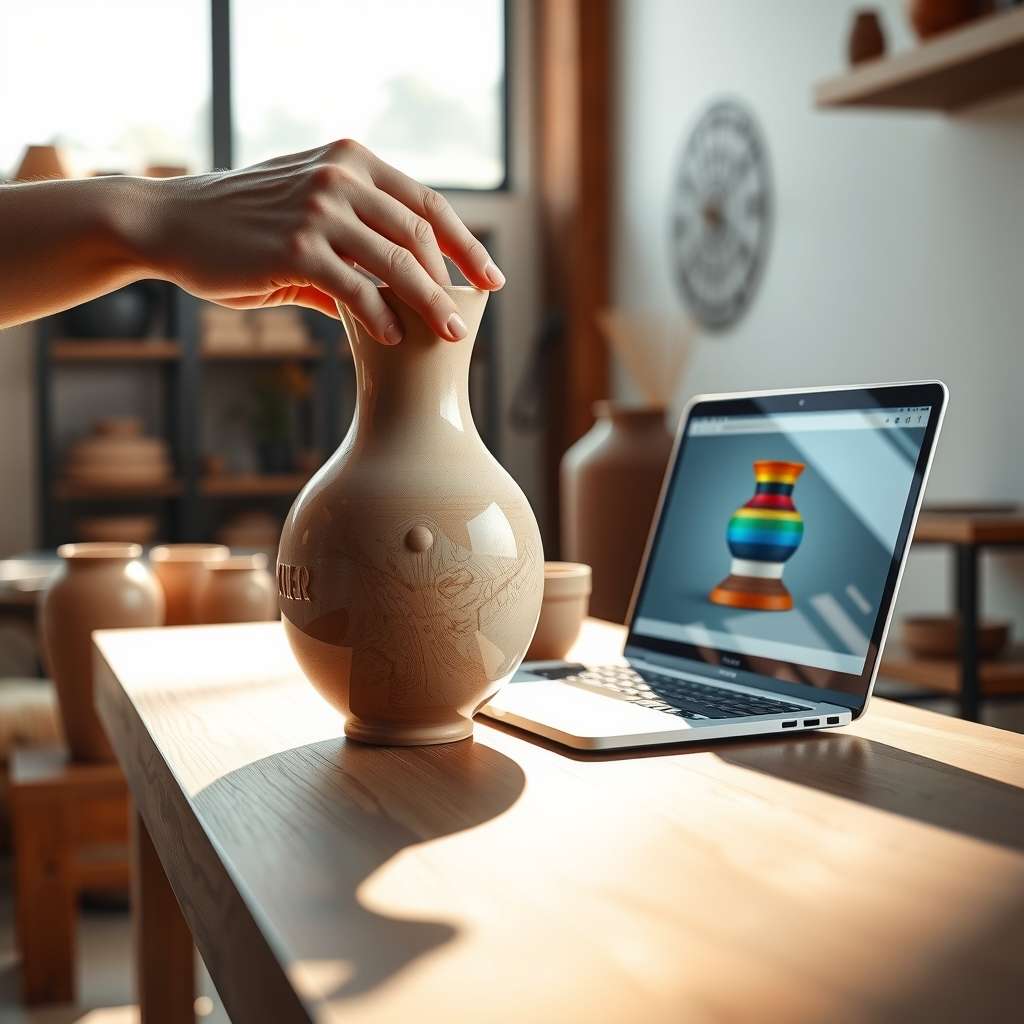
In a world where personalization is king, custom ceramic products offer a unique blend of artistry, durability, and brand storytelling. Whether you’re a small business owner looking to differentiate your line or an interior designer seeking one-of-a-kind pieces, the ability to tailor ceramic items to exact specifications is a game‑changer. Yet, many creatives stumble at the crossroads of design and production, unsure how to translate their vision into a tangible, high‑quality ceramic masterpiece. This guide demystifies the process, outlining seven actionable steps that will help you harness the full potential of custom ceramic products and elevate your project from concept to market success.
1. Understanding the Power of Custom Ceramic Products
Custom ceramic products are more than just functional items; they are canvases that carry your brand identity, artistic intent, and consumer appeal. Unlike mass‑produced goods, these pieces can be infused with unique textures, colors, and motifs that resonate with your target audience. By investing in custom ceramic products, you gain control over every detail—from the clay body to the final glaze—ensuring that each item reflects your vision with precision. This level of customization not only boosts perceived value but also fosters customer loyalty, as buyers appreciate the exclusivity and craftsmanship behind every piece.
From a marketing standpoint, custom ceramic products serve as powerful brand ambassadors. A distinctive mug with your logo, a bespoke vase that showcases your design aesthetic, or a set of personalized tiles can become conversation starters that spread brand awareness organically. Moreover, the tactile experience of ceramic—its weight, temperature, and finish—creates a multisensory connection that digital products cannot replicate, strengthening emotional engagement with your audience.
In terms of production, the flexibility of ceramic manufacturing allows for rapid iteration and prototyping. Unlike metals or plastics, ceramic can be molded, glazed, and fired in a matter of days, enabling you to refine your designs quickly and cost‑effectively. This agility is especially valuable when launching limited editions or seasonal collections, where time‑to‑market is critical.
From a sustainability perspective, ceramic is an eco‑friendly material. Clay is abundant and renewable, and modern firing techniques can reduce energy consumption. By choosing custom ceramic products, you can highlight your commitment to environmental responsibility, appealing to the growing demographic of eco‑conscious consumers.
Ultimately, the strategic use of custom ceramic products can elevate your brand narrative, increase customer engagement, and open new revenue streams. The key lies in a clear, methodical approach that balances creativity with technical feasibility.
2. Choosing the Right Ceramic Material for Your Vision
Material selection is the cornerstone of any successful custom ceramic project. Each type of clay—porcelain, stoneware, earthenware, and high‑temperature ceramic—offers distinct properties that influence texture, durability, and finish. Understanding these differences allows you to match your design goals with the appropriate medium.
Porcelain, known for its translucency and fine grain, is ideal for delicate, high‑end pieces such as crystal‑clear vases or intricate figurines. Its strength and low porosity make it suitable for items that will endure frequent handling or exposure to liquids.
Stoneware, on the other hand, boasts a dense, opaque body that resists cracking and provides excellent structural integrity. It’s perfect for functional wares like mugs, plates, and storage jars that require both aesthetic appeal and everyday practicality.
Earthenware offers a more rustic, earthy feel and is often used for artistic installations or decorative tiles. While it is more porous than porcelain or stoneware, it can be glazed to achieve water resistance and vibrant color palettes.
High‑temperature ceramics, such as cordierite or alumina, can withstand extreme heat, making them suitable