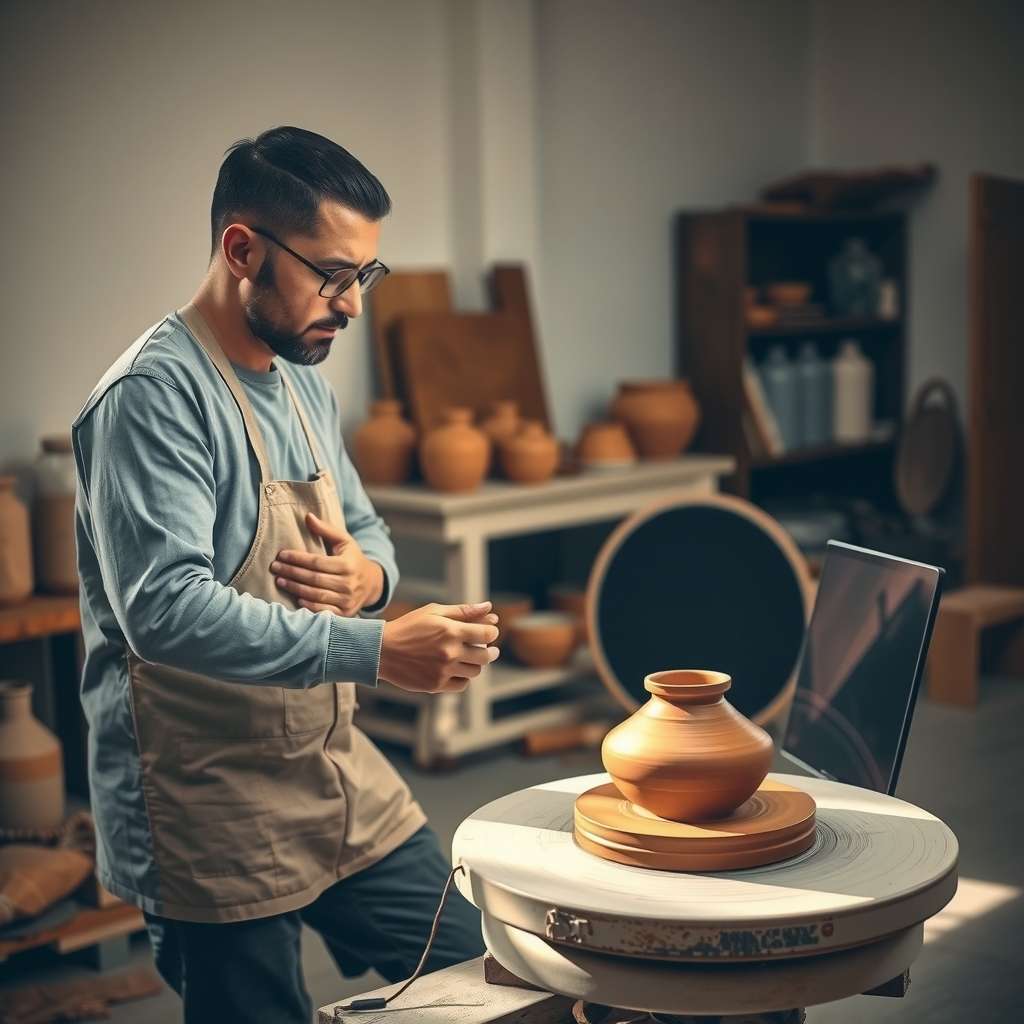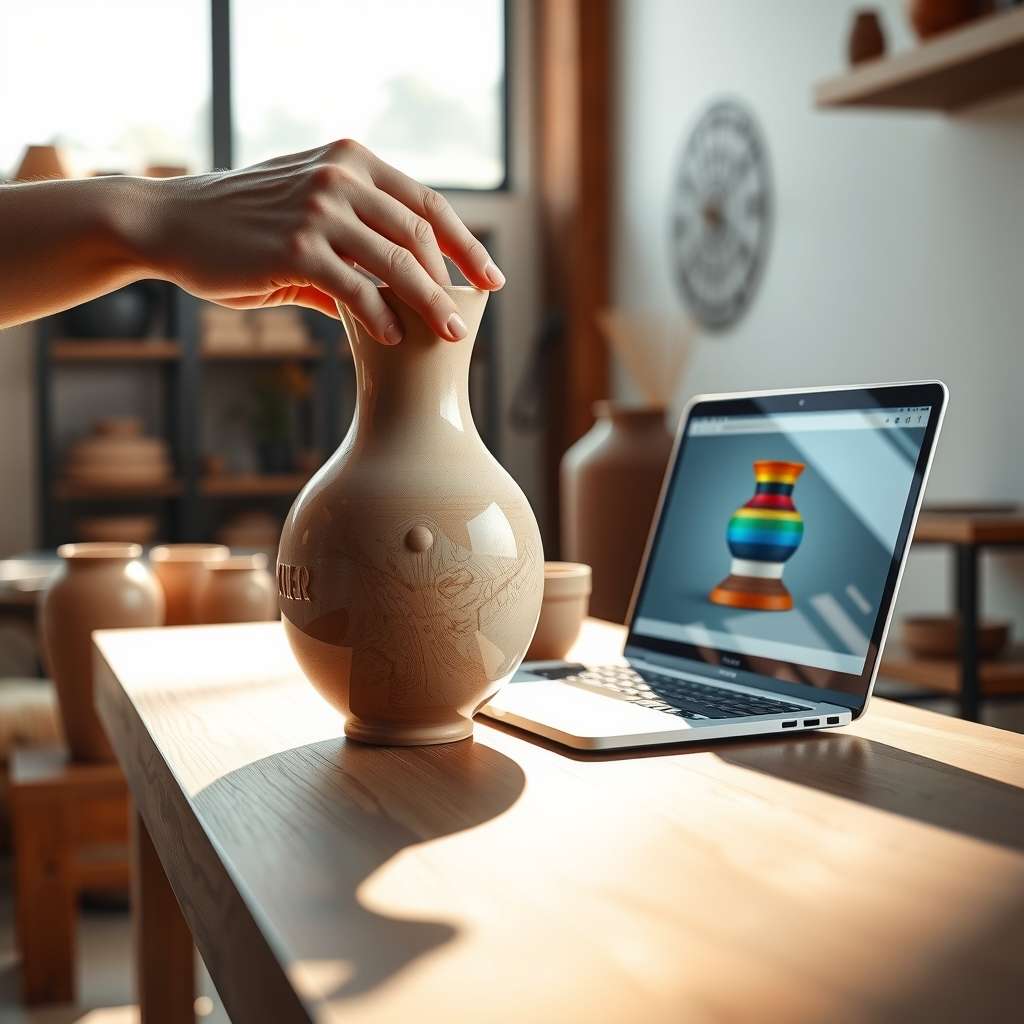
In a world saturated with mass‑produced goods, consumers crave authenticity and individuality. Bespoke pottery, with its handcrafted charm and tailored design, offers a unique solution for businesses seeking to differentiate their brand and homeowners desiring a personal touch. By integrating custom ceramics into marketing, product lines, or interior spaces, you tap into a growing demand for bespoke experiences that resonate on both emotional and functional levels. This guide explores seven powerful ways to harness the potential of bespoke pottery in 2026, combining creative inspiration with practical strategies to boost brand visibility, customer loyalty, and aesthetic appeal.
Way 1: Create Signature Brand Ceramics That Tell Your Story
Every brand has a narrative, and bespoke pottery provides a tactile medium to narrate it. By collaborating with skilled artisans, you can design a series of custom mugs, bowls, or vases that embody your brand’s colors, motifs, and values. These pieces become more than merchandise; they become storytelling tools that customers hold and share, extending your brand’s reach beyond digital channels. The tactile experience of holding a hand‑crafted item fosters a deeper emotional connection, turning casual buyers into brand advocates. When each item carries a subtle logo, signature glaze, or unique pattern, it reinforces brand recall and encourages repeat engagement.
Designing with Purpose
Begin by identifying core brand attributes—trust, innovation, sustainability—and translate them into ceramic form. Use earthy glazes for eco‑friendly brands, bold metallic finishes for tech companies, or whimsical textures for creative agencies. Involve your marketing team to ensure consistency across product lines, and test prototypes with focus groups to gauge resonance.
Choosing the Right Artisan
Partner with artisans who specialize in custom ceramics and share your brand’s ethos. Look for portfolios that showcase versatility in glaze techniques, surface treatments, and functional design. A strong partnership ensures quality control and allows for iterative design adjustments based on feedback.
Packaging as an Extension of Design
Custom packaging amplifies the unboxing experience. Incorporate branded ceramic tags, QR codes linking to digital storytelling, or reusable containers that double as home décor. A well‑crafted package elevates perceived value and reinforces brand identity.
Limited Editions for Exclusivity
Release limited‑edition collections tied to seasonal campaigns or product launches. Scarcity drives demand, encourages early adoption, and creates buzz on social media platforms where customers showcase their exclusive finds.
Measuring Impact
Track metrics such as repeat purchases, social media mentions, and customer feedback. Use surveys to assess how the bespoke pieces influence brand perception and loyalty. Adjust designs based on data to continuously improve the impact.
Way 2: Leverage Bespoke Pottery in Experiential Marketing
Experiential marketing thrives on immersive, memorable encounters. Bespoke pottery can serve as a centerpiece in pop‑up shops, trade shows, and product launches, inviting visitors to interact with your brand in a sensory way. The warmth of a ceramic mug, the tactile feel of a glaze, and the visual appeal of a custom piece create a multi‑sensory experience that anchors your brand in the audience’s memory.
Interactive Workshops
Host pottery workshops where attendees can create their own small ceramic item under the guidance of an artisan. This hands‑on experience fosters brand affinity and provides content for social media sharing, amplifying reach.
Product Launch Events
Incorporate bespoke pottery into launch events as both décor and giveaways. A custom vase on the stage backdrop or personalized mugs for guests adds a touch of luxury and creates a memorable takeaway.
Pop‑Up Showrooms
Design pop‑up showrooms around a central ceramic installation that reflects your brand’s story. Use lighting and scent to enhance the ambiance, encouraging visitors to linger and engage with the product narrative.
Digital Integration
Augment physical experiences with AR filters that showcase your bespoke pottery in different settings. This tech integration allows participants to visualize how the items would fit into their own spaces, bridging the gap between physical and digital realms.
Feedback Loops
Collect real‑time feedback through interactive kiosks or mobile apps. Analyze sentiment to refine future experiential campaigns and ensure the pottery aligns with audience expectations.
Way 3: Enhance E‑Commerce with Custom Ceramic Visuals
Online shoppers rely heavily on imagery and storytelling to compensate for the lack of tactile experience. Bespoke pottery offers a unique visual asset that can set your product pages apart. High‑resolution images, 360° views, and lifestyle shots featuring custom ceramics help customers visualize the product’s fit in their homes, increasing confidence and conversion rates.
Professional Photography
Invest in a photographer skilled in capturing ceramic textures and glazes. Highlight the unique patterns, hand‑crafted imperfections, and color gradients that differentiate bespoke pottery from mass‑produced alternatives.
360° Interactive Displays
Implement interactive 360° views that allow shoppers to rotate the item, zoom in on details, and view the product from multiple angles. This level of interactivity mimics the in‑store experience and reduces uncertainty.
Lifestyle Contextualization
Showcase the pottery in realistic settings—kitchen counters, dining tables, or office desks—to help customers imagine its integration into their daily lives. Pair with complementary items such as custom napkins or coasters for a cohesive look.
Augmented Reality Try‑On
Offer AR tools that let users project the ceramic piece into their own space using a smartphone camera. This technology bridges the gap between digital and physical, enhancing the decision‑making process.
Storytelling Copy
Accompany images with compelling copy that