Collectors worldwide are constantly chasing the next unique piece that tells a story beyond its shape. In the realm of ceramics, the texture of a surface often becomes the silent narrator, revealing the artisan’s touch, the firing process, and the history of the piece. If you’re looking to deepen your appreciation and refine your buying decisions, you’ve landed on the definitive ceramic textures guide. This guide will walk you through texture fundamentals, historical context, evaluation techniques, and future trends—everything you need to turn a simple collection into a curated narrative.
1. What Exactly Are Ceramic Textures?
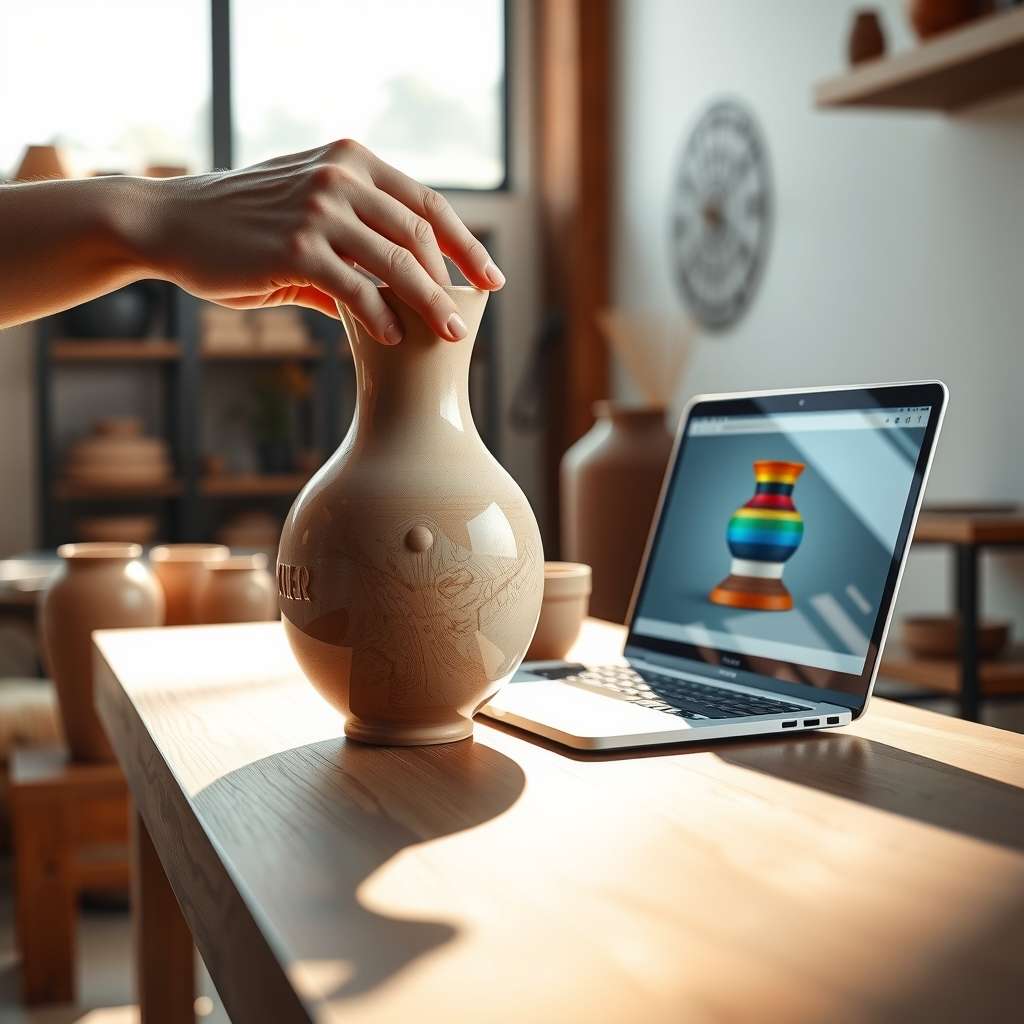
In ceramics, “texture” refers to the tactile and visual surface quality of a piece. It can range from smooth, glossy finishes to rough, tactile patterns that invite touch. Understanding texture is essential because it influences how a piece feels, how light interacts with it, and ultimately its desirability among collectors. The ceramic textures guide begins by defining texture categories and exploring how each type contributes to a piece’s character.
1.1 Smooth vs. Rough: The Basics
- Smooth textures often result from high-gloss glazes or carefully fired surfaces that minimize imperfections.
- Rough textures arise from hand-building techniques, slip application, or intentional glaze crazing.
- Both textures can coexist on a single piece, offering depth and contrast.
1.2 Glossy, Matte, and Luster
Glazing is a primary method for achieving glossy or matte finishes. A glossy glaze reflects light, creating a shiny surface, while a matte glaze absorbs light, producing a subtle sheen. Luster is a metallic sheen that can be added through metal oxides, giving a unique reflective quality. These finish variations are crucial for collectors who seek pieces that not only look distinct but also play with light and shadow.
2. Historical Evolution of Ceramic Textures
Textures have evolved alongside cultural shifts and technological advancements. From the rough, unglazed wares of ancient Egypt to the intricate, high-gloss porcelain of the Qing dynasty, each era introduced new texture vocabularies. This section of the ceramic textures guide traces that evolution, highlighting key milestones that shaped modern collectors’ preferences.
2.1 Ancient Techniques
Early pottery relied on hand-built methods, leaving fingerprints, tool marks, and natural clay ridges as defining textures. The absence of firing techniques meant these textures were preserved in their raw form, offering a tactile connection to the past.
2.2 The Rise of Kiln Firing
With the advent of kiln firing, artisans could experiment with glaze and firing temperature, creating smoother surfaces and more consistent textures. The development of glaze texture techniques like slip trailing and marbling added visual complexity.
2.3 Contemporary Innovations
Today, artists combine traditional hand-building with modern glazing techniques, producing textures that are both tactile and visually striking. This fusion is a major focus of the ceramic textures guide, especially for collectors seeking pieces that bridge past and present.
3. Key Factors Influencing Texture
Texture is not merely an aesthetic choice; it is shaped by multiple variables that collectors should consider. Understanding these factors will help you evaluate a piece’s authenticity, craftsmanship, and potential value.
- Clay Body Composition: Different clays (e.g., earthenware, stoneware, porcelain) yield distinct surface qualities.
- Firing Temperature: Low-fire can preserve rough textures, while high-fire often smooths surfaces.
- Glaze Chemistry: The mix of silica, fluxes, and colorants determines glaze thickness and surface feel.
- Surface Treatments: Techniques such as burnishing, scratching, or adding slip affect tactile experience.
- Artist Intent: Some creators deliberately leave tool marks to showcase craftsmanship.
4. Common Texture Techniques
Related Posts
Custom Pottery Online: The Ultimate Guide to Your Vision