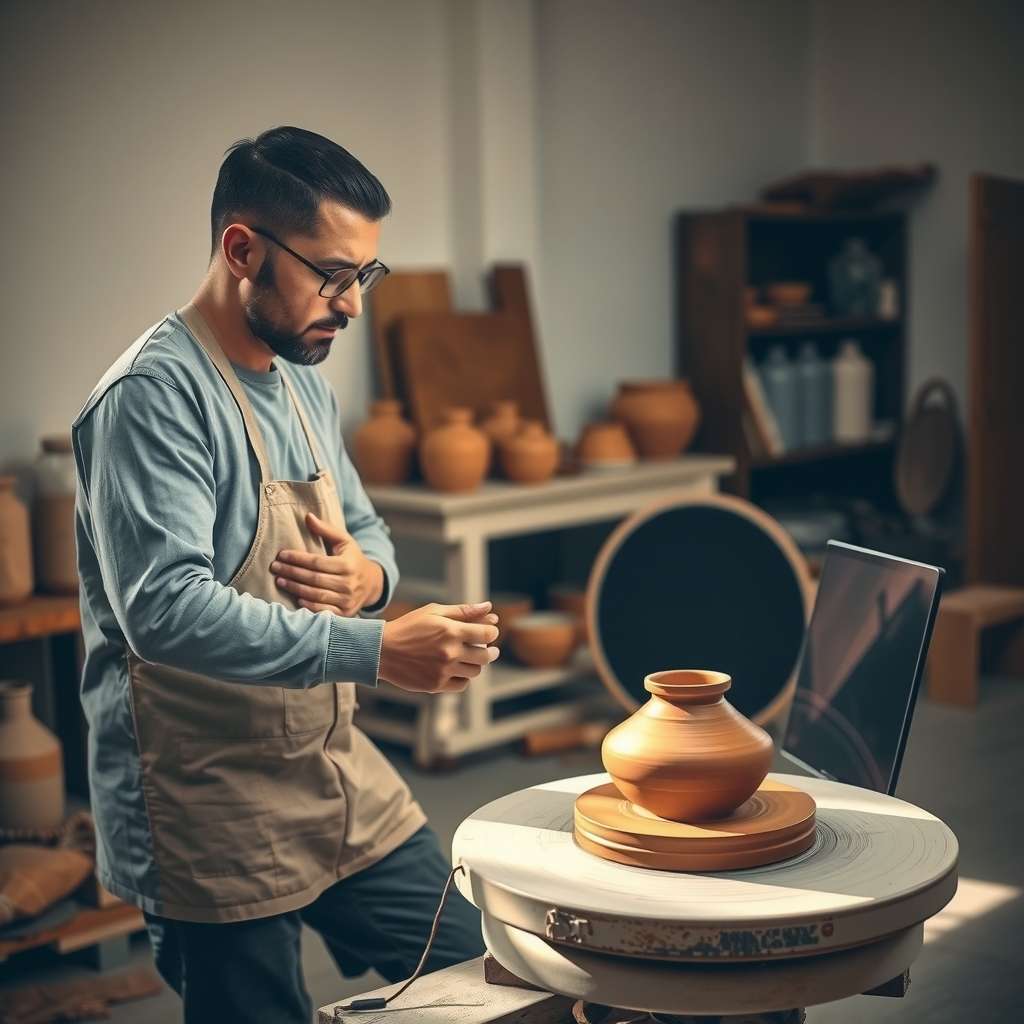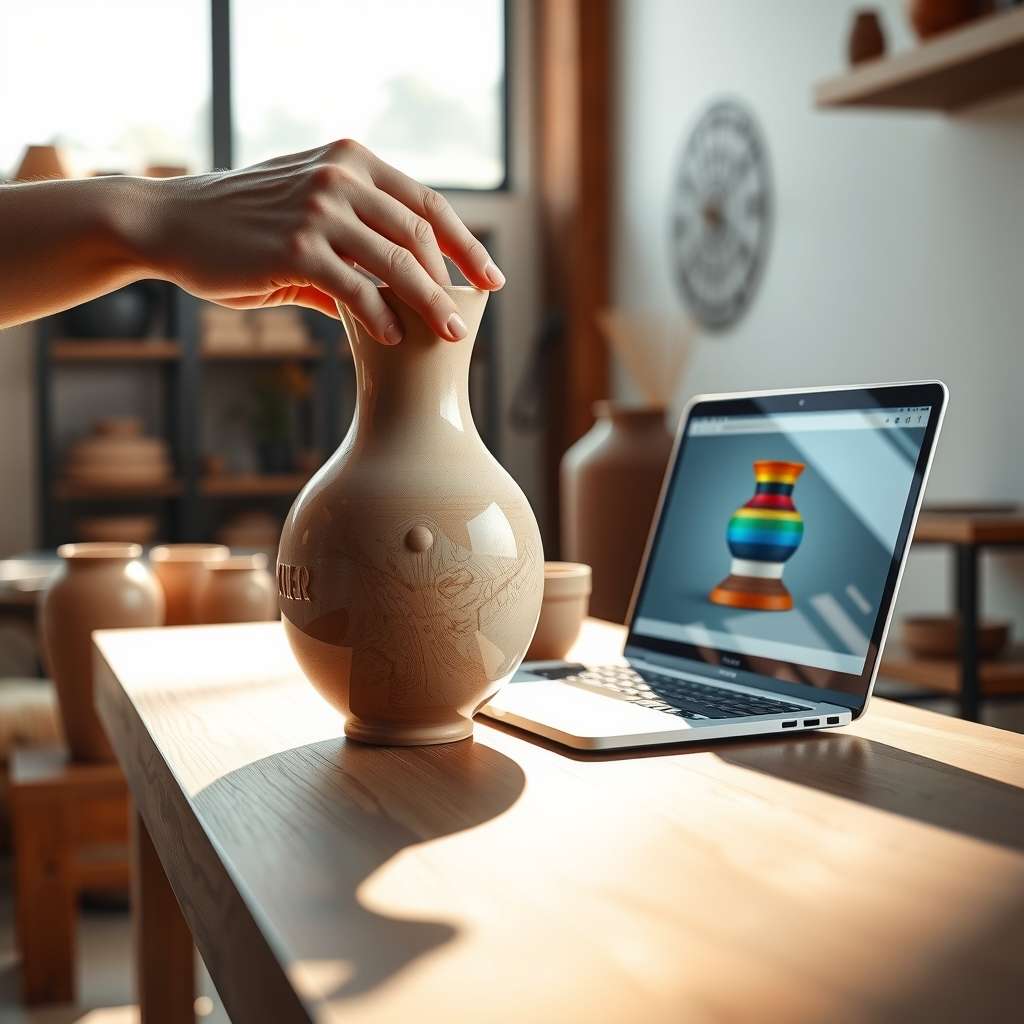
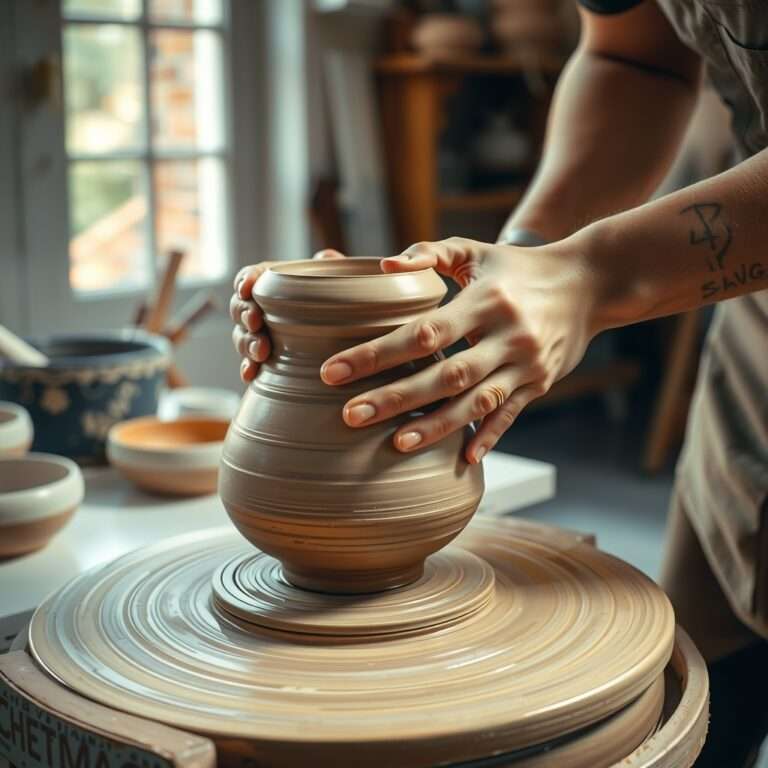
Imagine holding a piece of art that feels like it was made just for you—its shape, glaze, and texture reflecting a personal story rather than a factory line. That is the magic of hand thrown pottery. In a world saturated with mass‑produced ceramics, custom ceramic design offers a tactile, emotional connection that no machine can replicate. Whether you’re a homeowner looking for a statement vase, a restaurateur seeking unique dinnerware, or an artist craving a canvas for expression, understanding why hand thrown pottery consistently wins is essential. This guide dives deep into the process, benefits, and practical steps to bring your custom ceramic vision to life.
What Is Hand Thrown Pottery?
At its core, hand thrown pottery is the ancient craft of shaping clay on a rotating wheel using only the potter’s hands, fingers, and simple tools. Unlike slip‑casting or 3D printing, the potter directly controls every nuance of the piece—its height, wall thickness, and curvature—while the wheel provides a steady, centrifugal force that helps the clay rise and form. The result is a one‑of‑a‑kind object that bears the subtle fingerprints of its creator, making each item inherently unique.
Definition and Process
The term “hand thrown” distinguishes this method from automated processes. The potter begins with a lump of moist clay, centers it on the wheel, and applies pressure while the wheel spins at a controlled speed. As the clay loosens, the artist pulls, pushes, and shapes it with both hands, gradually coaxing it into a bowl, vase, mug, or sculpture. Once the desired form is achieved, the piece is trimmed, left to dry to a leather‑hard stage, then bisque‑fired, glazed, and finally fired again to achieve its final strength and shine.
Tools and Materials
Essential tools for hand thrown pottery include a sturdy pottery wheel, a rib or scraper for smoothing, wooden or metal shaping tools, a wire cutter, and a trimming tool for refining the base. The clay body itself can vary—stoneware, porcelain, earthenware—each offering distinct textures, colors, and firing temperatures. Glazes range from matte to high‑gloss, transparent to opaque, and can be layered for complex visual effects. The choice of materials directly influences the final aesthetic and functional qualities of the custom ceramic piece.
Benefits of Hand Thrown Pottery Over Machine‑Made Ceramics
- Authenticity: Every piece carries the subtle variations of human touch, creating a genuine sense of artistry.
- Customization: Shapes, sizes, and glaze combinations can be tailored to exact client specifications.
- Durability: Hand‑thrown pieces often have thicker walls and better structural integrity than mass‑produced items.
- Emotional Connection: Owning a handcrafted object fosters a deeper appreciation for the maker’s skill and story.
- Sustainability: Small‑batch production reduces waste and energy consumption compared to large factories.
Custom Ceramic Design: Why Hand Thrown Pottery Wins Every Time
When you commission a custom ceramic design, you are essentially collaborating with an artist to manifest a functional sculpture. Hand thrown pottery excels in this collaboration because the potter can adapt the wheel’s momentum and the clay’s pliability in real time, allowing for spontaneous design adjustments that no computer‑controlled process can match. This flexibility translates into truly bespoke pieces that reflect the client’s personality, interior style, or brand identity.
Unique Shape & Form
Mass‑produced ceramics rely on molds, limiting them to predefined shapes. In contrast, a skilled potter can experiment with asymmetry, organic curves, and unexpected silhouettes while the wheel spins. For example, a coffee mug can be crafted with an ergonomic handle that perfectly fits a user’s hand, or a decorative bowl can feature a dramatic, flared rim that catches light in a specific way. These custom forms are impossible to achieve with standardized molds.
Personalized Glaze & Color
Glazing is an art in itself. With hand thrown pottery, the artist can apply multiple glaze layers, incorporate metallic oxides, or use techniques like brush‑strokes, splattering, or wax resist to create depth and texture. Clients can select exact color palettes—whether muted earth tones, vibrant jewel hues, or subtle gradients—to complement their décor or branding. The result is a piece that not only looks unique but also tells a visual story.
Artistic Expression & Storytelling
Every potter brings a lifetime of experience, cultural influences, and personal philosophy to the wheel. When you commission a custom piece, you invite that narrative into your space. A vase might echo the rolling hills of a potter’s hometown, while a plate could feature a motif inspired by a client’s heritage. This storytelling element turns functional objects into conversation starters and cherished heirlooms.
How to Choose the Right Hand Thrown Pottery Studio
Selecting a studio that aligns with your vision is crucial for a successful custom ceramic project. Below are key criteria to evaluate when searching for the perfect partner.
- Portfolio Quality: Review past work to ensure the studio’s aesthetic matches your expectations.
- Experience Level: Look for artisans with at least several years of professional hand‑thrown experience.
- Material Expertise: Confirm they work with the clay body and glaze types you prefer.
- Communication: A studio that listens, asks clarifying questions, and provides clear timelines will make the process smoother.
- Customer Reviews: Positive testimonials often indicate reliability and satisfaction.
Steps to Order Custom Hand Thrown Pottery
Turning an idea into a tangible ceramic piece involves a clear, collaborative workflow. Follow these steps to ensure a seamless experience.
- Define Your Vision: Sketch the desired shape, size, and function. Note any special features such as handles, spouts, or texture.
- Select Materials: Choose the clay body (stoneware, porcelain, etc.) and discuss glaze preferences.
- Consult the Potter: Share your concept, budget, and timeline. The potter may suggest adjustments for structural integrity.
- Approve a Prototype: Some studios provide a small mock‑up or digital rendering for approval before full production.
- Production Phase: The potter hand throws the piece, trims, bisque fires, glazes, and fires again.
- Final Inspection: Review the finished product for any defects or adjustments.
- Delivery or Pickup: Arrange safe packaging and transport to protect the delicate ceramic.
Caring for Hand Thrown Pottery
Proper care prolongs the beauty and functionality of your custom piece. While hand‑thrown ceramics are robust, they require mindful handling.
- Gentle Cleaning: Use a soft sponge and mild detergent; avoid abrasive scrubbers that can dull glaze.
- Avoid Thermal Shock: Gradually warm or cool the piece; sudden temperature changes can cause cracking.
- Handle with Care: When moving, support both the base and the body to prevent stress on thin walls.
- Store Safely: Stack pieces with padding or store them upright to avoid chipping.
Frequently Asked Questions (FAQ)
- How long does it take to create a custom piece? Typical turnaround ranges from 2‑4 weeks, depending on complexity and studio workload.
- Can I request a specific glaze effect? Yes—most potters offer a range of glaze techniques, from matte to high‑gloss, and can customize colors.
- Is hand thrown pottery dishwasher safe? Many pieces are, but it’s best to confirm with the studio, especially for delicate glazes.
- What is the cost difference compared to mass‑produced ceramics? Custom hand‑thrown pieces are priced higher due to labor, materials, and artistry, but they offer unparalleled uniqueness.
- Do studios offer repair services? Some do; inquire about warranty or repair options when placing your order.
Comparison Table: Hand Thrown vs. Mass‑Produced Ceramics
| Feature | Hand Thrown Pottery | Mass‑Produced Ceramics |
|---|---|---|
| Uniqueness | Each piece is one‑of‑a‑kind | Identical items from molds |
| Customization | Fully customizable shape & glaze | Limited to preset designs |
| Durability | Thicker walls, stronger structure | Often thinner, prone to chipping |
| Production Time | Weeks per piece | Minutes to hours |
| Environmental Impact | Low waste, small batch | High energy, large waste |
| Price Point | Higher due to labor and artistry | Lower, economies of scale |
Conclusion & Call to Action
Choosing hand thrown pottery for your custom ceramic design means investing in authenticity, artistry, and a piece that truly belongs to you. From the tactile joy of shaping clay on a wheel to the endless possibilities of glaze and form, hand‑thrown ceramics provide a level of personalization that mass‑produced items simply cannot match. Whether you’re enhancing a home, curating a boutique collection, or seeking a memorable gift, the unique qualities of hand‑crafted pottery will elevate any setting.
Ready to bring your vision to life? Contact a reputable pottery studio today to discuss your custom design, request a quote, and start the journey toward owning a masterpiece that reflects your style and story.