Introduction: Why Custom Pottery Export Matters
In a world where consumers crave unique, handcrafted goods, the custom pottery export market is booming. Brands that offer bespoke ceramics can command premium prices and build loyal customer bases worldwide. However, translating a design concept into a high‑quality export‑ready ceramic piece requires more than artistic talent—it demands a clear understanding of production, quality control, logistics, and market regulations. This guide will walk you through five essential tips that will help you transform your creative ideas into commercially viable custom pottery export products.
Tip 1: Master the Design Process for Export‑Ready Ceramics
Design is the foundation of any successful custom pottery export venture. Start by researching global trends and consumer preferences in target markets. Use mood boards, color palettes, and prototype sketches to visualize your concept. Incorporate functional aspects—such as handle ergonomics or glaze compatibility—into the design phase to avoid costly rework during production. When drafting your designs, keep export regulations in mind: certain glazes contain lead or cadmium, which are restricted in the EU and North America. By integrating compliance checks early, you’ll reduce delays and ensure smooth customs clearance.
Sub‑Tip: Leverage Digital Tools for Precision
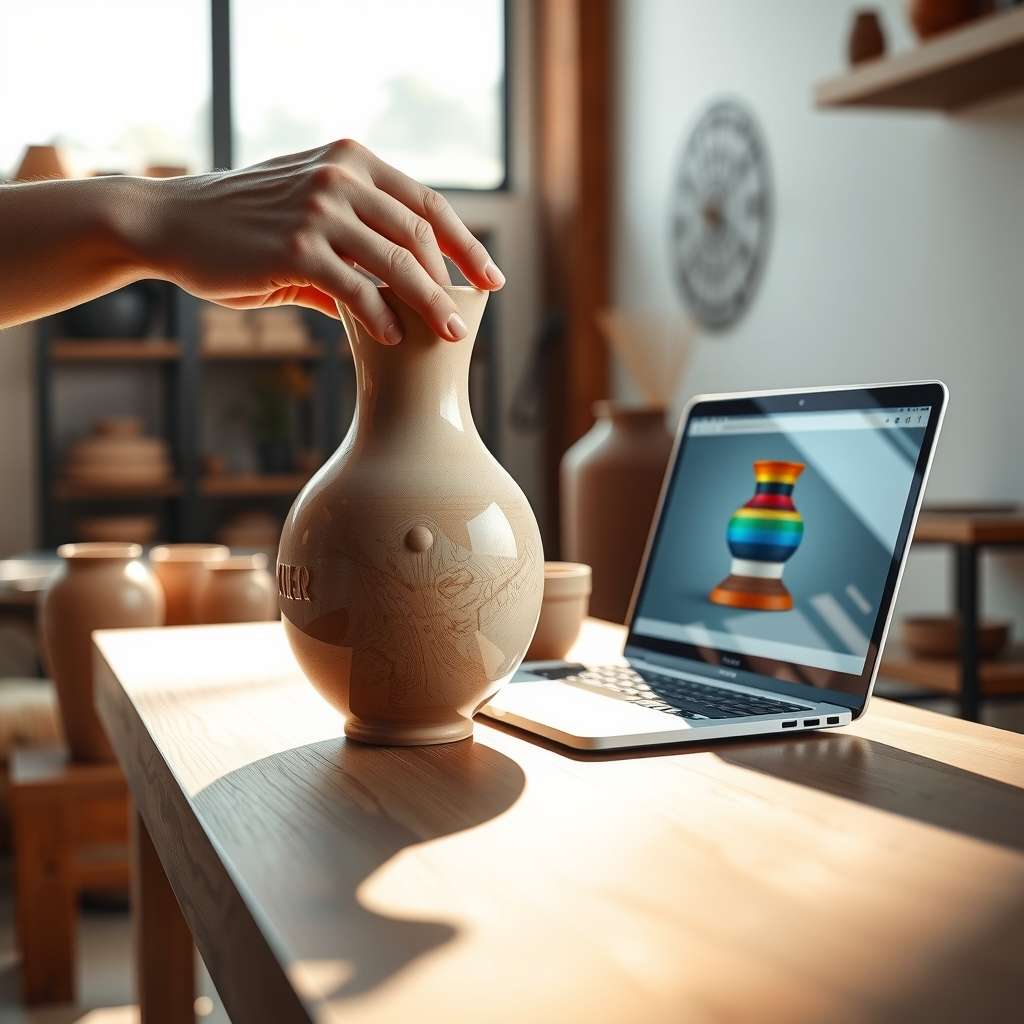
- Use CAD software to create accurate 3D models of your pieces.
- Run simulations to test glaze adhesion and thermal expansion.
- Export design files in universal formats (STL, OBJ) for seamless collaboration with manufacturers.
Tip 2: Choose the Right Materials and Glazes for Global Markets
Material selection directly impacts both the aesthetic appeal and export viability of your ceramics. High‑clay bodies, such as porcelain or stoneware, offer durability and a refined finish, while earthenware provides a rustic charm. Pair your chosen body with glazes that meet international safety standards. For example, the EU’s REACH regulation prohibits certain heavy metals, so opt for low‑lead, cadmium‑free glazes that still deliver vibrant colors. Additionally, consider the firing temperature of your kiln and how it affects glaze performance—this ensures consistency across batches and reduces the risk of defects.
Sub‑Tip: Test Samples Before Full Production
- Produce a small batch of test tiles to evaluate glaze coverage and color accuracy.
- Conduct durability tests—drop, splash, and thermal shock—to confirm export readiness.
- Request third‑party lab certification for lead and cadmium content.
Tip 3: Optimize Production Techniques for Scale and Quality
Scaling up from a single prototype to mass production while maintaining quality is a challenge many artisans face. Adopt a hybrid approach that blends traditional hand‑building skills with modern technology. For instance, use slip‑casting for complex shapes that would be time‑consuming by hand, and hand‑throwing for unique, personalized pieces that showcase craftsmanship. Invest in a reliable kiln—electric or gas—with programmable firing schedules to guarantee repeatable results. Implement a strict quality control checklist at each stage: from clay conditioning to glaze application, and final firing.
Sub‑Tip: Implement a Production Workflow
- Stage 1: Clay preparation—conditioning, wedging, and batching.
- Stage 2: Forming—hand‑building, slip‑casting, or press‑forming.
- Stage 3: Drying—controlled environment to prevent cracking.
- Stage 4: Bisque firing—first low‑temperature kiln cycle.
- Stage 5: Glazing—apply consistent glaze layers.
- Stage 6: Glaze firing—final high‑temperature cycle.
- Stage 7: Inspection—visual, dimensional, and functional checks.
- Stage 8: Packaging—protective wrapping and labeling.
Tip 4: Ensure Compliance with Export Regulations and Certifications
Exporting custom pottery requires adherence to a web of regulations that vary by destination. Start by identifying the specific standards applicable to ceramics in each target market—such as the U.S. Food and Drug Administration (FDA) for kitchenware or the European Union’s General Product Safety Directive. Acquire necessary certifications: ISO 9001 for quality management, ISO 14001 for environmental stewardship, and, where applicable, CE marking for safety compliance. Maintain meticulous records of material sources, firing logs, and test results to facilitate audits and streamline customs procedures.
Sub‑Tip: Build Relationships with Trade Experts
- Consult with customs brokers to navigate tariff classifications.
- Partner with local distributors who understand regional consumer expectations.
- Attend international trade fairs to stay updated on regulatory changes.
Tip 5: Craft a Compelling Export Strategy and Market Positioning
Even the most beautifully crafted ceramics will falter without a strategic marketing plan. Identify niche segments that value artisanal quality—such as eco‑conscious consumers or luxury gift buyers—and tailor your branding accordingly. Use storytelling to highlight the artisan’s journey, the clay’s provenance, and the unique glazing technique. Leverage digital platforms—Instagram, Etsy, and specialized B2B marketplaces—to showcase your collection and attract importers. Finally, negotiate favorable payment terms and logistics arrangements to protect your margins while ensuring timely delivery.
Sub‑Tip: Develop an Online Presence
- Design a professional website with high‑resolution images and detailed product descriptions.
- Implement SEO best practices: keyword‑rich titles, meta descriptions, and alt tags.
- Use analytics to track traffic sources and conversion rates.