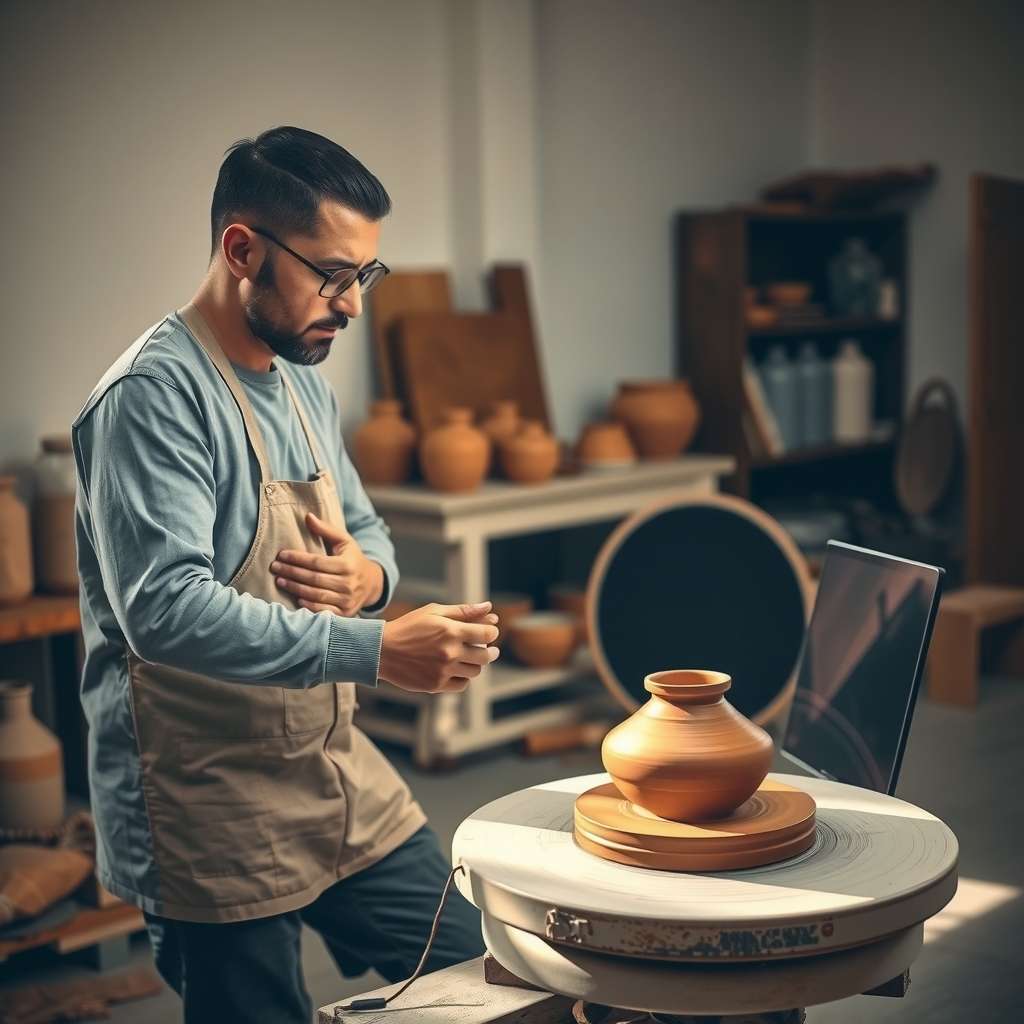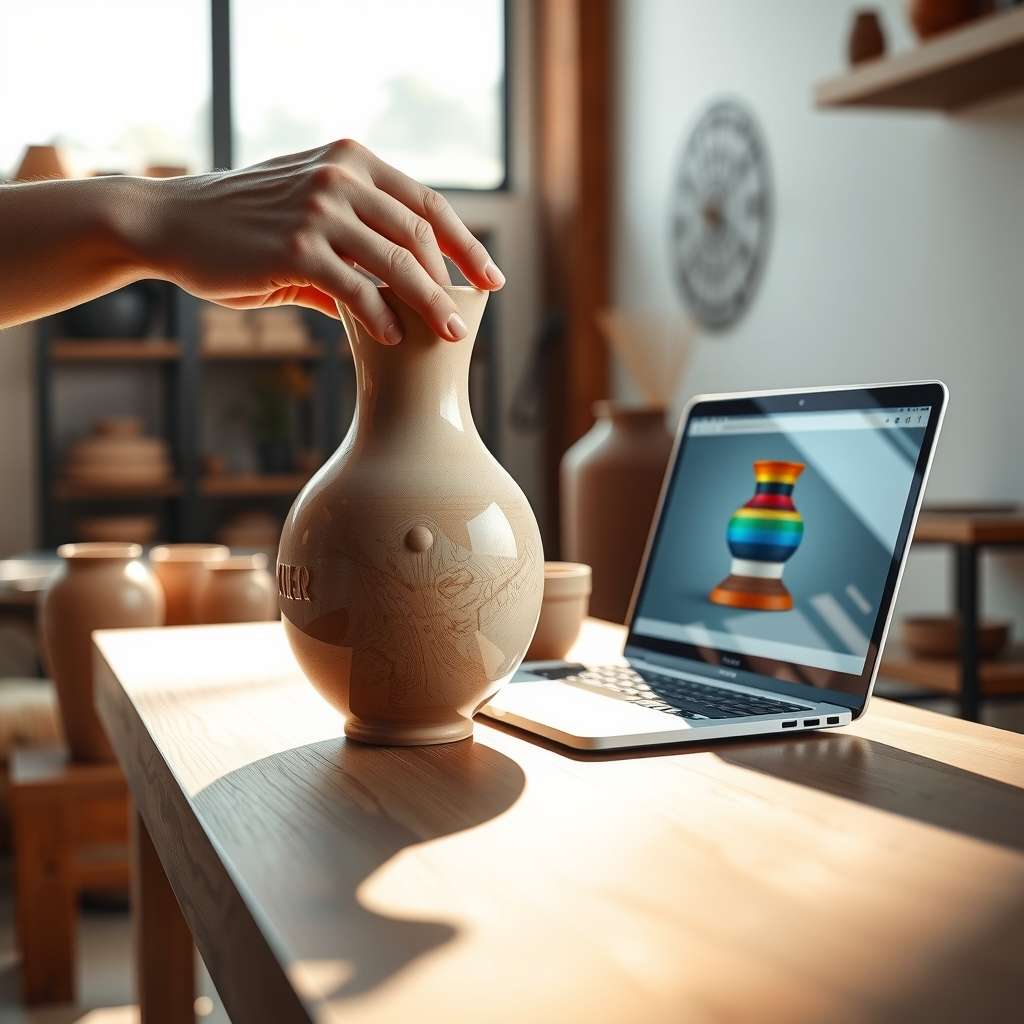
In a world where precision, durability, and design converge, the ceramics industry has become a linchpin for sectors ranging from aerospace to consumer electronics. Yet, behind every flawless ceramic component lies a complex production chain that demands both technical mastery and strategic agility. For businesses seeking a partner that can deliver bespoke ceramic solutions without compromising on quality or cost, custom ceramic manufacturing Indonesia has emerged as the top destination of 2026. This article explores the unique blend of advantages that position Indonesia at the forefront of the global ceramic market, offering a roadmap for manufacturers, designers, and investors alike.
Why Indonesia is a Rising Hub for Ceramic Production
Strategic Geographic Location
Indonesia’s archipelagic layout places it at the crossroads of Asia, Australia, and the Pacific. This strategic position provides seamless access to raw materials from neighboring countries, as well as efficient shipping routes to major markets in China, Japan, South Korea, and beyond. Companies engaging in custom ceramic manufacturing Indonesia benefit from reduced lead times and lower freight costs, ensuring a competitive advantage in time‑to‑market.
Abundant Natural Resources
With its extensive volcanic activity, Indonesia is rich in high‑quality clays, silica, feldspar, and alumina—key ingredients for ceramic production. The availability of these raw materials translates into lower material costs and greater control over the supply chain. Manufacturers can source locally, reducing dependency on volatile international markets and enhancing sustainability.
Skilled Workforce
Indonesia boasts a growing pool of engineers, technicians, and artisans who have honed their craft in both traditional pottery and modern ceramic engineering. Training programs, coupled with university partnerships, nurture talent in advanced ceramic technologies such as additive manufacturing, high‑temperature sintering, and surface engineering. This skilled workforce is a critical driver behind the country’s reputation for delivering high‑quality, custom ceramic products.
Competitive Advantages of Custom Ceramic Manufacturing in Indonesia
Cost‑Effectiveness and Competitive Pricing
Labor costs in Indonesia are notably lower than in many developed economies, yet the skill level remains high. This combination allows custom ceramic manufacturing Indonesia firms to offer competitive pricing without sacrificing quality. For example, a typical ceramic component that costs $120 in the U.S. can be produced for as low as $80 in Indonesia, providing a substantial margin for both manufacturers and their clients.
Advanced Technology and Innovation
Indonesian ceramic manufacturers are investing heavily in state‑of‑the‑art equipment, including computer‑aided design (CAD) software, 3D printing for ceramic prototypes, and automated firing kilns. These technologies enable rapid iteration, precise control over microstructure, and the ability to produce complex geometries that were previously unattainable. The result is a portfolio of ceramic products that meet the highest standards of performance and aesthetics.