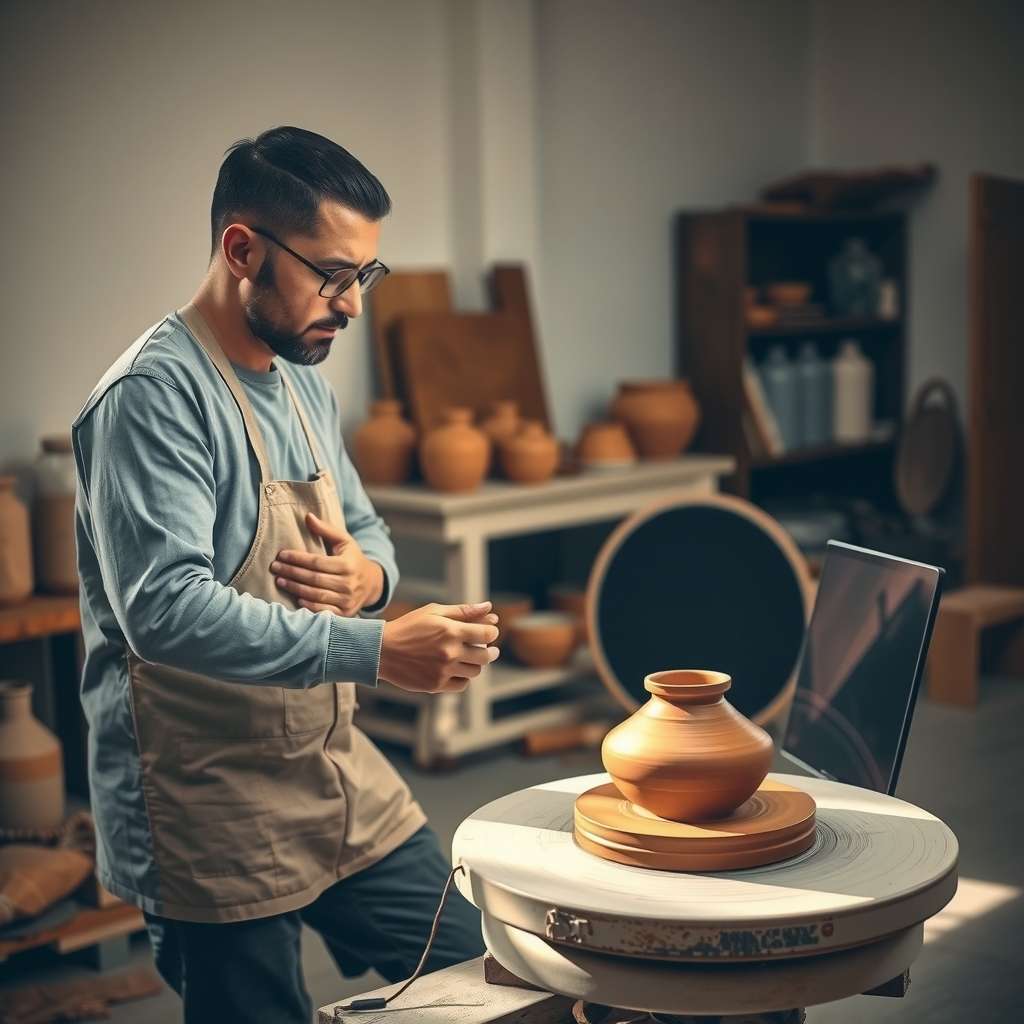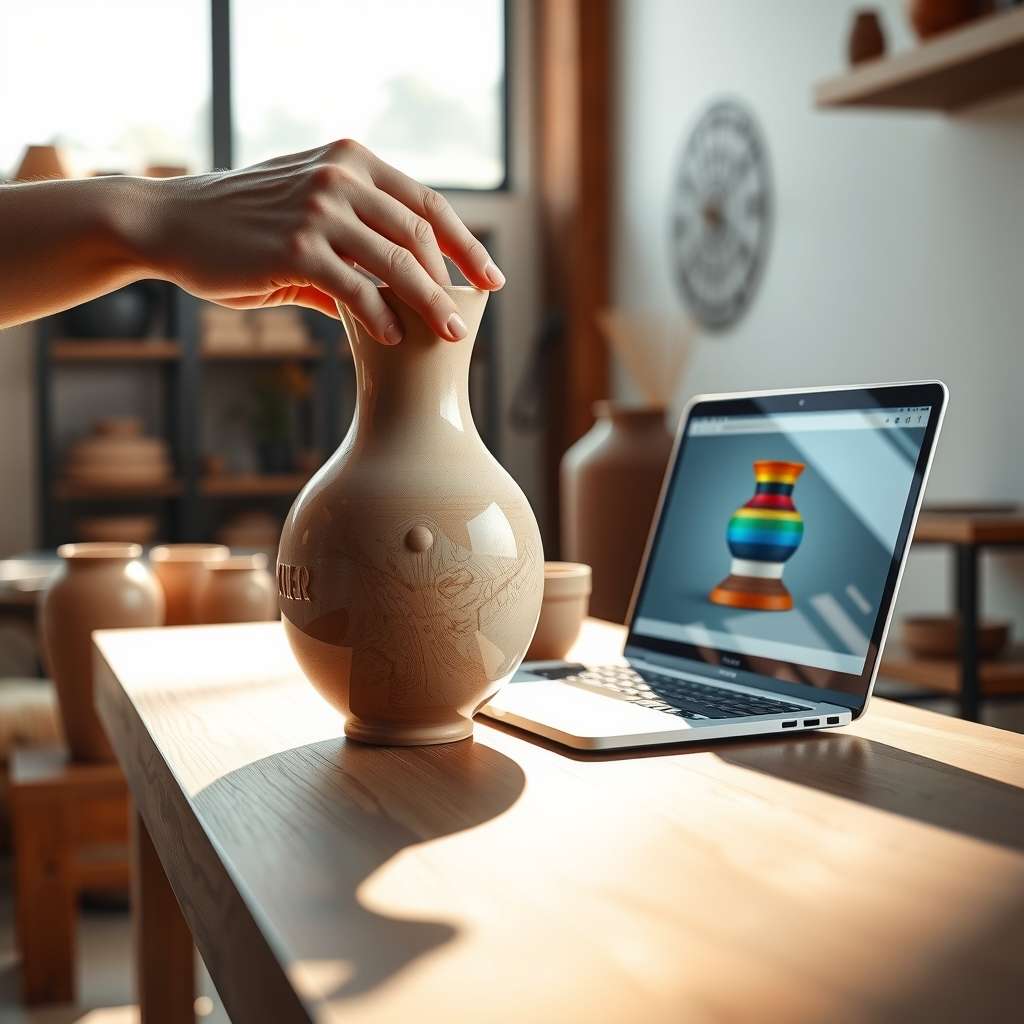
In a world where convenience often trumps character, the debate between handcrafted ceramics and mass‑produced pottery has never been more relevant. The phrase handcrafted ceramics vs mass produced surfaces in design forums, sustainability blogs, and even in the aisles of upscale kitchenware stores. Consumers are increasingly questioning whether the allure of a factory‑made bowl truly matches the tactile charm of a hand‑thrown vessel. This article dives deep into the nuances that set handcrafted ceramics vs mass produced apart, revealing why artisans’ touch continues to dominate the market in 2026.
Handcrafted Ceramics vs Mass Produced: The Craftsmanship Advantage
At the heart of every handcrafted ceramics vs mass produced conversation lies the question of authenticity. Handcrafted pieces are born from the intimate relationship between the potter and the clay, a synergy that mass‑produced items simply cannot replicate. While factory lines churn out thousands of identical mugs each day, the handmade counterpart carries subtle variations—each glaze swirl, each chip, each imperfection—that tell a story of human creativity and skill.
The Art of Clay Selection
Choosing the right clay is a critical first step in the handmade process. Artisans meticulously test loam, stoneware, and porcelain to achieve the desired texture and firing properties. In contrast, mass‑produced factories rely on bulk shipments of standardized clay mixes, prioritizing consistency over nuance. This fundamental difference means that handcrafted ceramics vs mass produced often result in products with distinct tactile qualities and unique visual depth.
Hand-Throwing vs Machine Molding
Hand‑throwing, a technique passed down through generations, allows potters to shape clay with precision, adjusting the wheel’s speed and pressure to achieve perfect symmetry or intentional asymmetry. Mass‑produced items, on the other hand, are molded using automated presses that sacrifice subtlety for speed. The result? Handmade vessels boast a depth of character, while factory‑made pieces feel uniform and impersonal.
Mass‑Produced Ceramics: The Factory Approach
Mass‑produced ceramics thrive on efficiency. Automation and high‑speed kilns enable manufacturers to produce thousands of units per day, dramatically reducing production time and cost. However, this rapid scale comes at the expense of individuality. The phrase handcrafted ceramics vs mass produced often highlights how factory output, while accessible, lacks the soul found in hand‑crafted pieces.
Automation and Speed
- Robotic arms shape and trim bowls in seconds.
- Continuous kilns fire batches in a fraction of the time.
- Quality control checks are performed by sensors rather than eyes.
Cost Efficiency and Accessibility
One of the biggest advantages of mass‑produced ceramics is affordability. By spreading fixed costs across large volumes, factories can offer products at a lower price point. This economic model makes ceramic goods more accessible to a broader audience, but it also contributes to the handcrafted ceramics vs mass produced debate over value versus price.
Quality and Durability: A Comparative Analysis
Durability is a key factor for many buyers. Handcrafted ceramics often exhibit superior strength due to the potter’s control over firing schedules and glaze application. In contrast, factory‑made pieces may suffer from micro‑fractures that develop over time, especially if the glaze layer is thin or uneven.
Material Integrity
Artisans use