Imagine a ceramic collection that feels uniquely yours—every glaze, shape, and label a testament to your brand’s identity. In today’s saturated market, private label stoneware offers a powerful way to stand out, blending artisanal craftsmanship with scalable production. Yet, many entrepreneurs fear high minimum orders and inconsistent quality when venturing into stoneware manufacturing. This comprehensive 2024 guide demystifies the process, shows you how to secure low MOQ while maintaining premium standards, and equips you with the insights to source, design, and market your custom stoneware line with confidence.
What is Private Label Stoneware?
Definition and Scope
Private label stoneware refers to ceramic products—bowl sets, mugs, cookware, and decorative pieces—produced by a third‑party manufacturer and branded under a retailer’s or designer’s name. Unlike generic bulk ceramics, private label items feature custom shapes, glazes, and packaging that reflect the brand’s aesthetic. The scope extends beyond mere branding; it encompasses the entire supply chain, from raw material selection to final quality checks, ensuring that each piece carries the same promise of durability and design excellence that your customers expect.
Why it Matters for Brands
In an era where consumers seek authenticity, private label stoneware allows brands to offer products that feel handcrafted yet are produced at scale. It bridges the gap between artisanal heritage and mass‑market affordability, enabling niche boutiques and large retailers alike to diversify their product lines. Moreover, by owning the brand narrative—highlighting sustainable sourcing, local artisanship, or unique glaze techniques—companies can command higher margins and foster deeper customer loyalty.
The Stoneware Production Process
Raw Materials
High‑quality stoneware begins with premium clay bodies, typically composed of kaolin, ball clay, and silica. Manufacturers may incorporate additives such as grog or feldspar to enhance strength and reduce shrinkage. The choice of raw material directly influences the final product’s durability, thermal shock resistance, and aesthetic appeal. Reputable suppliers source clays from proven geological deposits, ensuring consistency across batches and aligning with the stringent quality standards many private label brands demand.
Forming Techniques
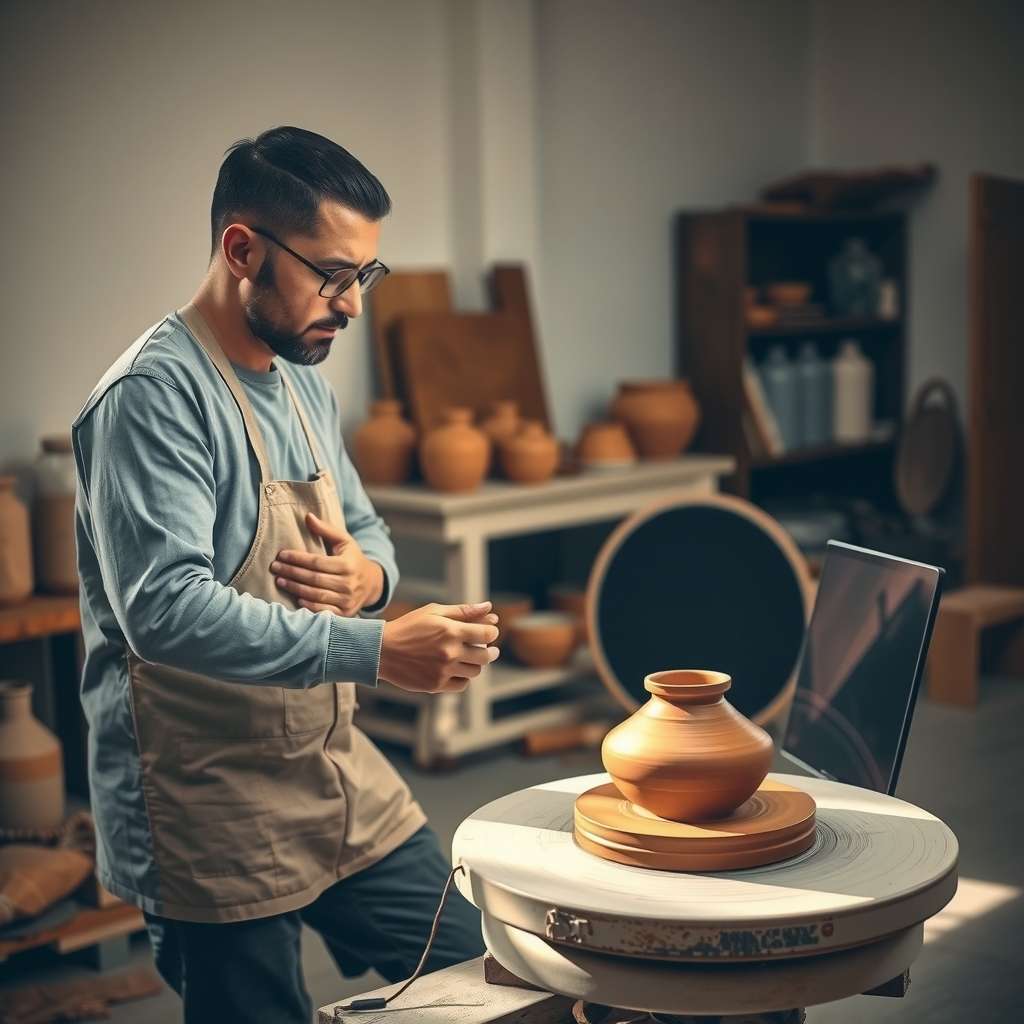
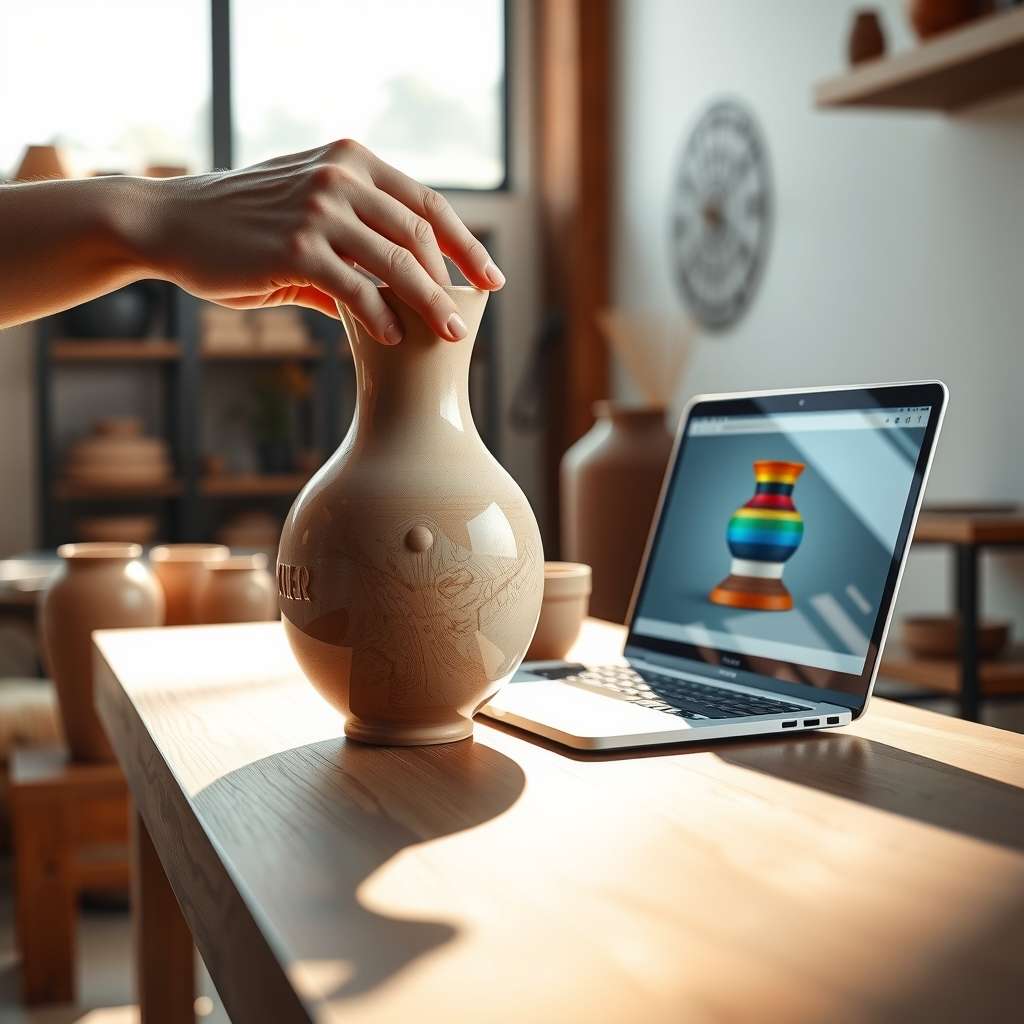
Stoneware can be shaped through several methods: hand‑throwing for bespoke pieces, slip casting for intricate designs, or extrusion for uniform shapes. Each technique offers distinct advantages—hand‑throwed pieces exude individuality, while slip casting delivers precise geometry essential for commercial production. Advanced CNC routers and 3D printing are increasingly employed to prototype and produce complex molds, allowing brands to experiment with cutting‑edge designs before committing to full‑scale manufacturing.
Firing and Glazing
After shaping, the ceramic pieces undergo bisque firing to remove organic matter, followed by glaze application. Glazes—ranging from matte earth tones to glossy metallics—are formulated to adhere perfectly to stoneware’s dense surface. The firing schedule, typically between 1,200