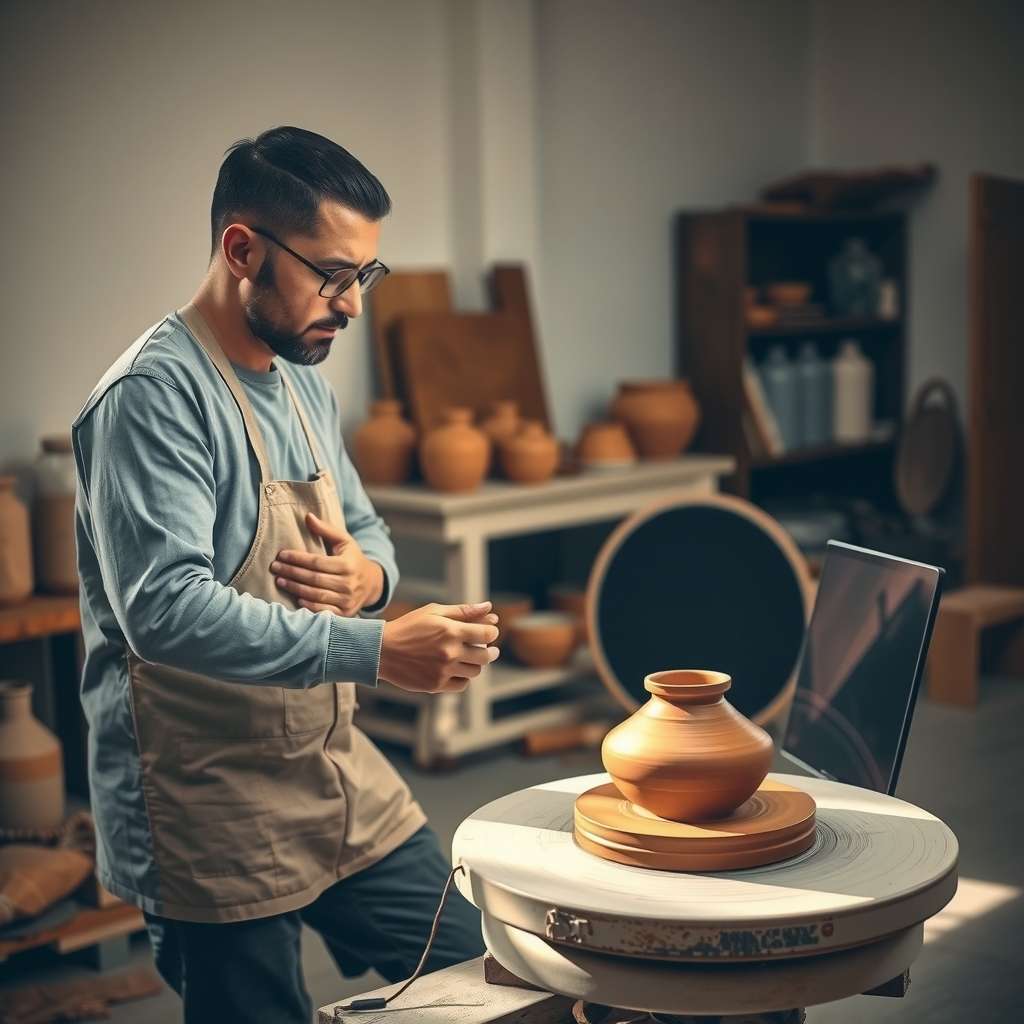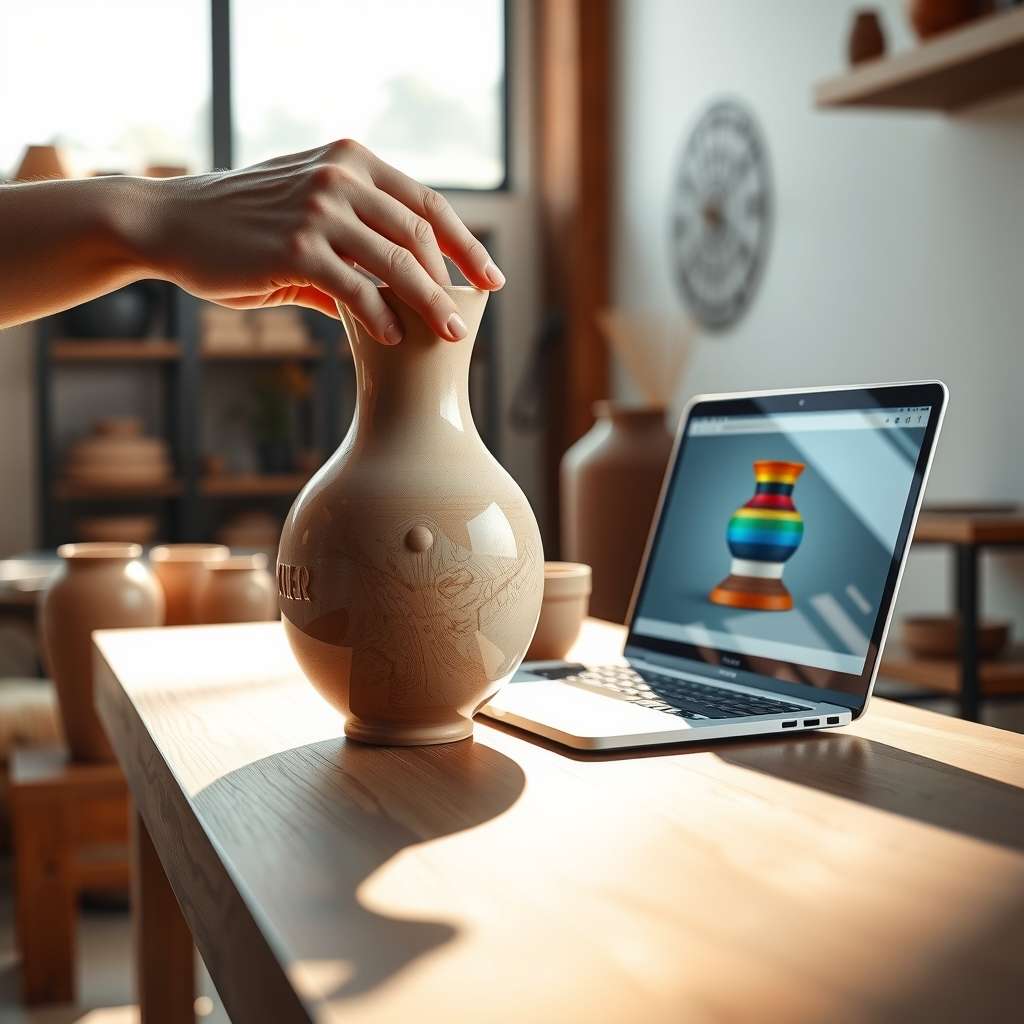
Ceramic quality control is a crucial step in the manufacturing process of ceramic products. It ensures that the final products meet the required standards and are free from defects. In this article, we will explore what happens during ceramic quality control and the best practices for 2026.
Introduction to Ceramic Quality Control
Ceramic quality control involves a series of tests and inspections to evaluate the physical and chemical properties of ceramic materials. The goal is to identify any defects or irregularities that can affect the performance and durability of the final product. Ceramic quality control is essential to ensure that ceramic products meet the required standards and are safe for use.
Types of Ceramic Quality Control
There are several types of ceramic quality control, including:
- Raw material control: This involves testing the raw materials used to produce ceramics, such as clay, silica, and feldspar.
- Process control: This involves monitoring the manufacturing process to ensure that it is carried out correctly and consistently.
- Product control: This involves testing the final products to ensure that they meet the required standards.
Ceramic Quality Control Process
The ceramic quality control process typically involves the following steps:
- Inspection of raw materials: The raw materials are inspected to ensure that they meet the required standards.
- Testing of ceramic bodies: The ceramic bodies are tested to evaluate their physical and chemical properties.
- Glaze testing: The glaze is tested to ensure that it meets the required standards.
- Final product testing: The final products are tested to ensure that they meet the required standards.
Importance of Ceramic Quality Control
Ceramic quality control is essential to ensure that ceramic products meet the required standards and are safe for use. It helps to:
- Prevent defects: Ceramic quality control helps to identify defects and irregularities that can affect the performance and durability of the final product.
- Improve product quality: Ceramic quality control helps to improve the quality of ceramic products by ensuring that they meet the required standards.
- Reduce costs: Ceramic quality control helps to reduce costs by identifying defects and irregularities early in the manufacturing process.
Best Practices for Ceramic Quality Control
Here are some best practices for ceramic quality control:
- Use advanced testing equipment: Use advanced testing equipment, such as X-ray fluorescence (XRF) and scanning electron microscopy (SEM), to evaluate the physical and chemical properties of ceramic materials.
- Implement a quality management system: Implement a quality management system, such as ISO 9001, to ensure that the manufacturing process is carried out correctly and consistently.
- Provide training: Provide training to employees on ceramic quality control and the importance of quality control in the manufacturing process.
Challenges in Ceramic Quality Control
There are several challenges in ceramic quality control, including:
- High cost: Ceramic quality control can be expensive, especially if advanced testing equipment is used.
- Lack of skilled personnel: There is a lack of skilled personnel in ceramic quality control, which can make it difficult to implement effective quality control measures.
- Complexity of ceramic materials: Ceramic materials can be complex and difficult to evaluate, which can make it challenging to implement effective quality control measures.
Future of Ceramic Quality Control
The future of ceramic quality control is expected to involve the use of advanced technologies, such as artificial intelligence (AI) and machine learning (ML), to improve the efficiency and effectiveness of quality control measures. Additionally, there is expected to be an increased focus on sustainability and environmental responsibility in the ceramic industry, which will require the development of new quality control measures.
Conclusion
In conclusion, ceramic quality control is a crucial step in the manufacturing process of ceramic products. It ensures that the final products meet the required standards and are free from defects. By following best practices and using advanced testing equipment, manufacturers can ensure that their ceramic products meet the required standards and are safe for use. If you are interested in learning more about ceramic quality control, we encourage you to contact us to discuss your specific needs and requirements.