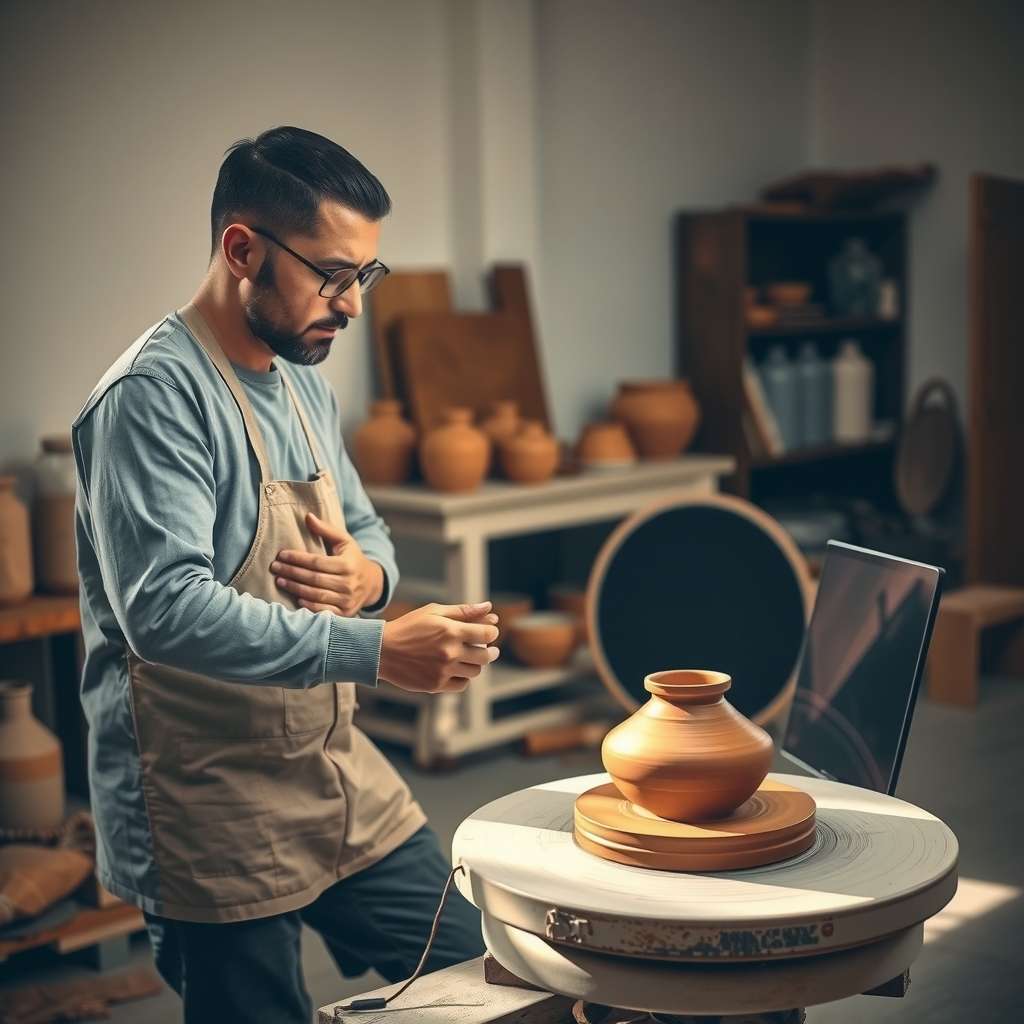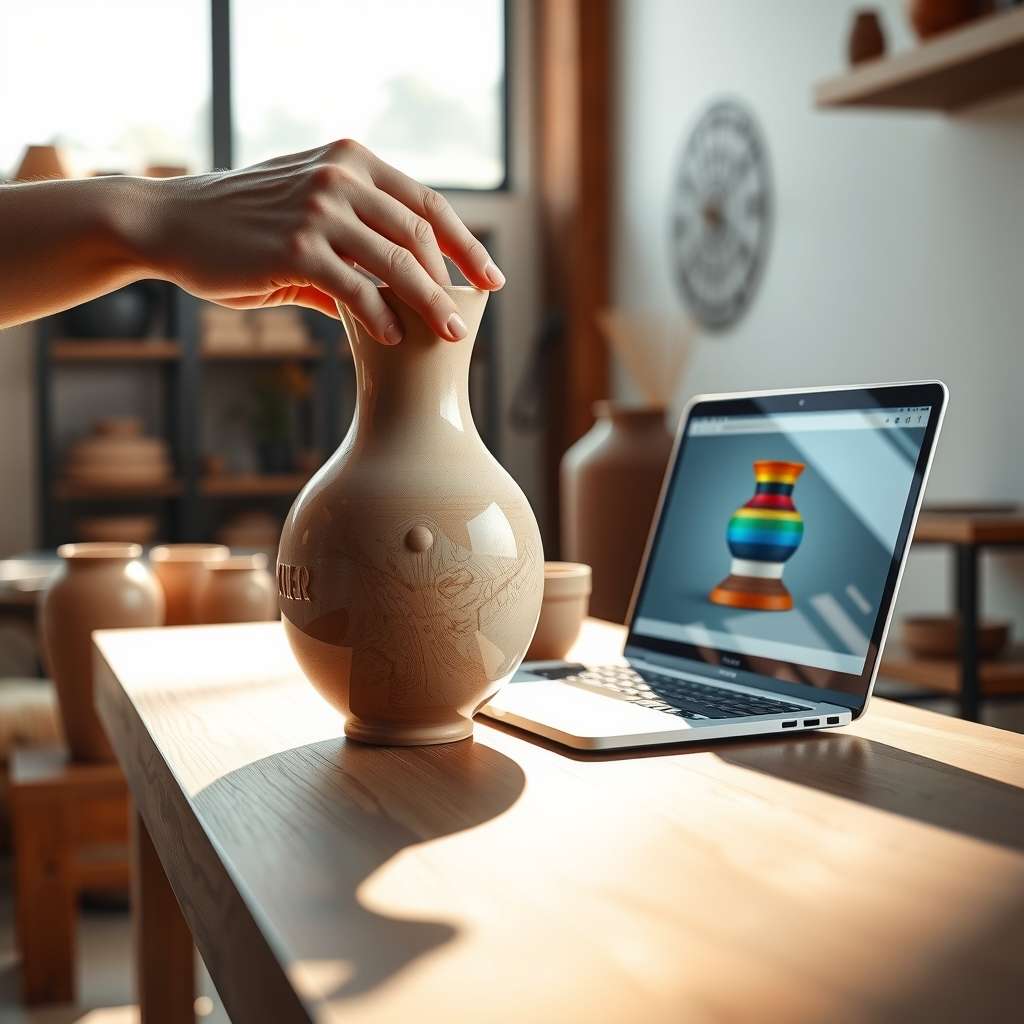
In the competitive world of furniture retail, standing out isn’t just about sleek designs or cutting‑edge technology—it’s also about the subtle details that create an unforgettable experience. Imagine walking into a showroom where every table, vase, and decorative tile whispers a story of heritage, craftsmanship, and artistry. That is the power of Indonesian handcrafted ceramics. By weaving these unique pieces into your space, you can elevate ambiance, deepen brand narrative, and spark genuine customer connection.
Indonesian handcrafted ceramics are more than decorative objects; they are living embodiments of Indonesia’s diverse cultural tapestry. From the vibrant glazes of Bali to the earthy tones of Yogyakarta, each piece reflects centuries of pottery tradition, regional motifs, and local materials. When thoughtfully integrated into a furniture showroom, these ceramics become focal points that enrich visual storytelling, reinforce authenticity, and set a tone of refined elegance.
Yet, many showroom designers overlook the potential of these artisanal treasures. They often rely on generic décor or mass‑produced accessories that lack depth and personality. The result is a sterile environment that fails to resonate with discerning shoppers. In contrast, Indonesian handcrafted ceramics bring a human touch that modern consumers crave—an invitation to explore heritage and craftsmanship in a contemporary setting.
In this guide, we’ll explore five concrete ways that Indonesian handcrafted ceramics can elevate furniture showrooms. From aesthetic enhancement to customer engagement, each strategy is backed by design principles, sustainability insights, and real‑world case studies. By the end, you’ll have actionable ideas to transform your showroom into a vibrant, culturally rich destination.
1. Aesthetic Enhancement: Creating Visual Harmony with Artisan Clay
First impressions are visual. Indonesian handcrafted ceramics offer a palette of colors, textures, and forms that can instantly elevate the aesthetic quality of a showroom. Their natural variations—whether in glaze, slip, or surface finish—add depth and intrigue that mass‑produced items simply cannot match.
When selecting pieces, consider how they complement your furniture lines. For instance, a sleek Scandinavian chair set pairs beautifully with a set of matte‑glazed Balinese bowls in muted earth tones. The contrast between the minimalist furniture and the organic ceramics creates a balanced, harmonious look that appeals to modern sensibilities.
Use ceramics as statement pieces to anchor key areas. A large, hand‑thrown vase can serve as a centerpiece on a display table, while smaller tiles can delineate pathways or highlight product categories. The versatility of Indonesian handcrafted ceramics allows them to function both as decorative accents and as structural elements within the showroom layout.
- Choose glazes that echo your brand’s color scheme.
- Incorporate varying sizes for visual interest.
- Use ceramics to frame high‑value pieces.
- Let natural imperfections become design features.
By integrating these ceramics thoughtfully, you create a visual narrative that feels both curated and authentic. The result is a showroom that feels alive, inviting, and uniquely yours.
2. Cultural Storytelling: Weaving Heritage into Every Display
Indonesian handcrafted ceramics are steeped in cultural symbolism. Each motif—from the lotus of Java to the wave patterns of Sulawesi—carries meaning that can enrich your showroom’s storytelling. When customers encounter these stories, they form deeper emotional connections with the brand.
Implement a “story wall” featuring a series of ceramic panels that illustrate regional narratives. Pair each panel with a brief description or QR code linking to a short video of the artisan at work. This interactive element invites visitors to engage more deeply with the heritage behind the products.
Collaborate with local artists to create custom designs that reflect your showroom’s theme. For example, a coastal furniture collection can feature ceramics with sea‑inspired glazes and motifs. This synergy reinforces brand identity and showcases a commitment to supporting local craftsmanship.
- Highlight artisan biographies in display signage.
- Use ceramics as narrative anchors for product stories.
- Incorporate QR codes for immersive digital experiences.
- Curate themed collections that align with seasonal trends.
Storytelling through Indonesian handcrafted ceramics turns a showroom from a retail space into a cultural journey, enhancing customer loyalty and differentiation.
3. Functional Versatility: From Decorative to Practical
Beyond their visual appeal, Indonesian handcrafted ceramics can serve functional roles that enhance showroom usability. Think of ceramic trays for organizing small accessories, or hand‑thrown mugs that double as display units for coffee station setups.
Use ceramics as modular display solutions. For instance, stackable clay bowls can hold brochures or product samples, while decorative tiles can be arranged into a dynamic floor pattern that guides foot traffic. Such multifunctional items reduce clutter and create a cohesive, organized environment.
Incorporate ceramic lighting fixtures—such as pendant lamps or floor lamps—that blend form and function. These fixtures not only provide illumination but also act as sculptural focal points that highlight key furniture pieces.
- Design custom trays for product samples.
- Use tiles to create directional pathways.
- Integrate lighting with ceramic elements.
- Employ ceramics as storage solutions.
Functional versatility ensures that Indonesian handcrafted ceramics contribute to both aesthetics and operational efficiency, making them a smart investment for showroom designers.
4. Sustainable Branding: Showcasing Eco‑Friendly Values
Today’s consumers increasingly prioritize sustainability. Indonesian handcrafted ceramics, made from locally sourced clay and fired with low‑energy kilns, embody eco‑friendly practices that align with this shift. Highlighting these attributes can strengthen your brand’s green credentials.
Display certificates of sustainable sourcing or artisan workshop details to educate shoppers about the environmental benefits of choosing hand‑crafted ceramics over mass‑produced alternatives. This transparency builds trust and positions your showroom as a responsible, forward‑thinking retailer.
Collaborate with ceramic producers who use renewable energy or recycled glazes. Feature these collaborations prominently in your marketing materials and in‑store signage to reinforce your commitment to sustainability.
- Showcase eco‑certifications on display panels.
- Feature workshops that use renewable energy.
- Highlight recycled glaze techniques.
- Offer limited‑edition sustainable collections.
By integrating Indonesian handcrafted ceramics into your sustainability narrative, you not only