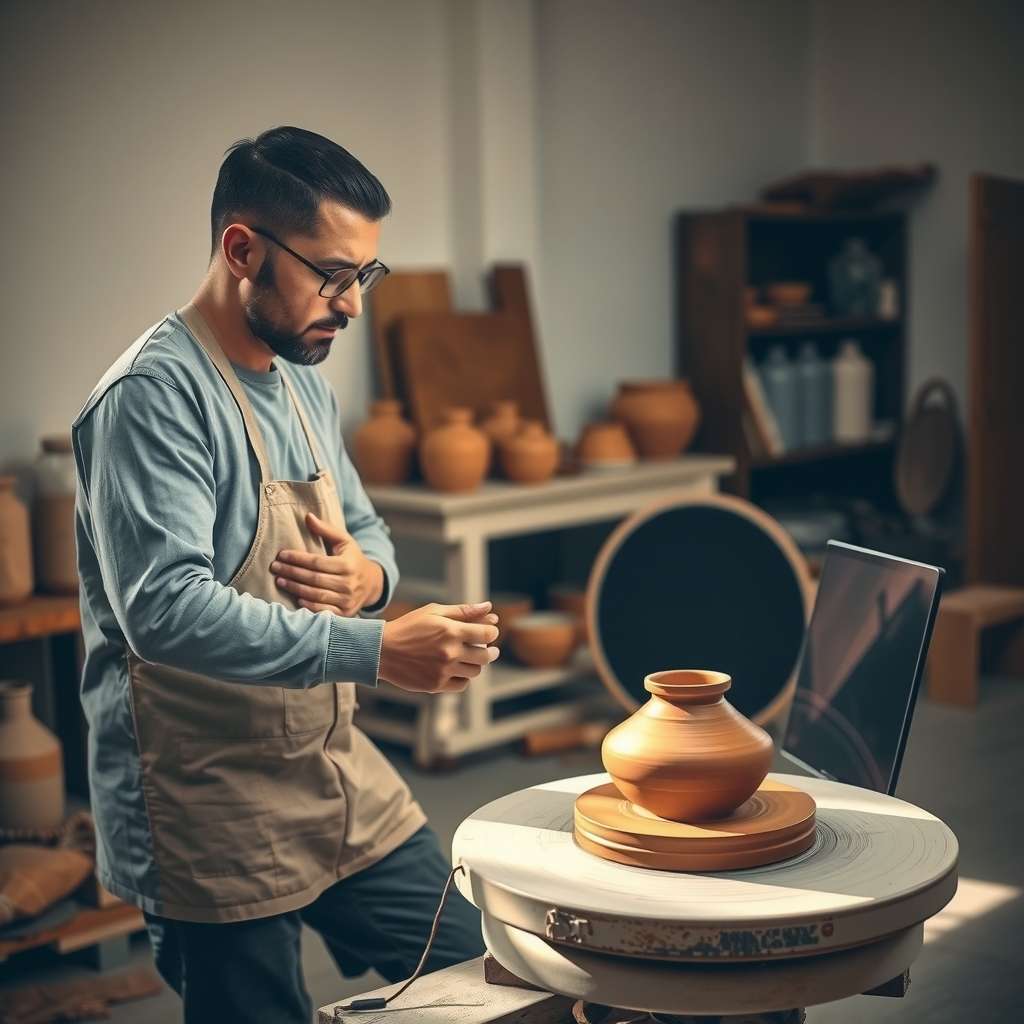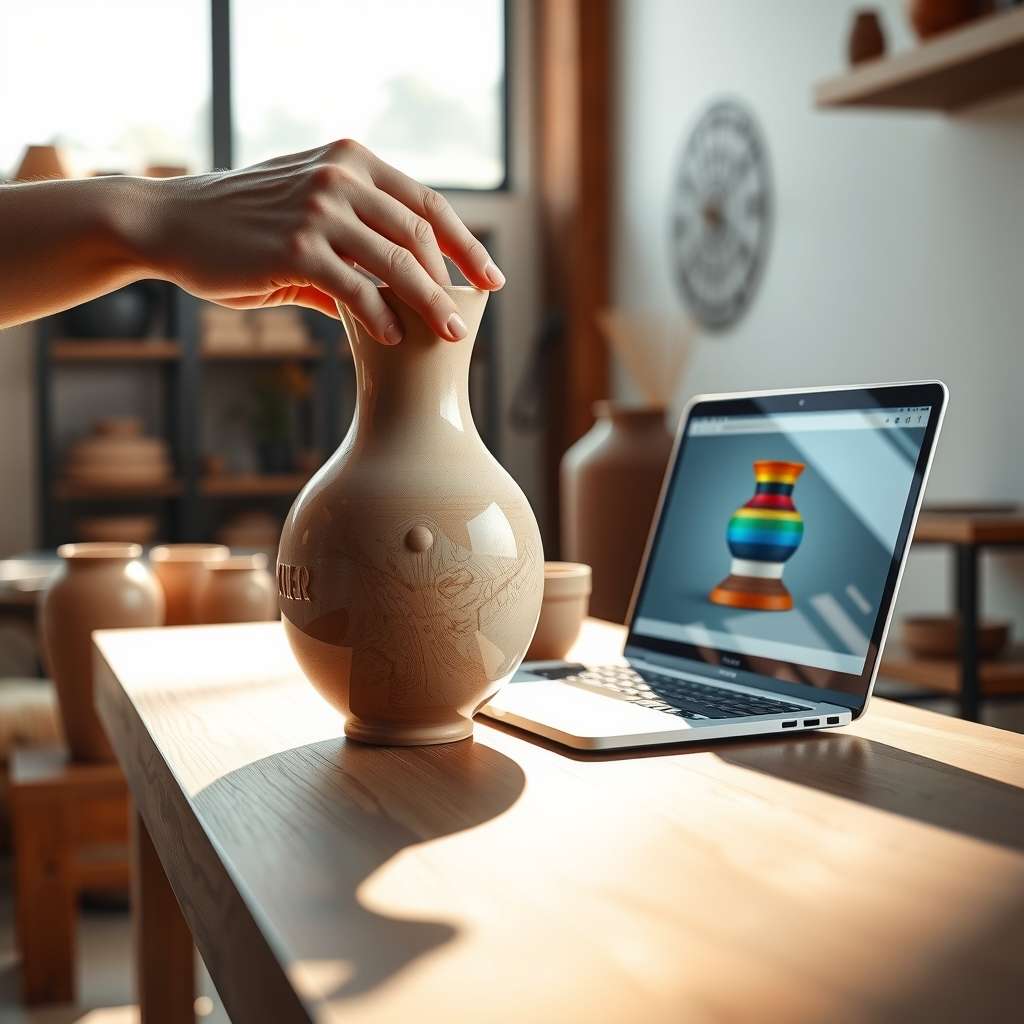
Imagine walking into a boutique, the shelves lined with exquisite vases, mugs, and tiles, all bearing your own logo and design language. For entrepreneurs and retailers, this vision is no longer a dream—thanks to the booming white label ceramics industry. In 2026, white label ceramics offers a pathway to create a distinct brand identity while leveraging the expertise of established manufacturers. This guide will walk you through every step, from understanding what white label ceramics truly means to scaling your business sustainably.
What Exactly Is White Label Ceramics?
White label ceramics refers to the production of ceramic products—such as dinnerware, decorative tiles, and pottery—by a manufacturer that allows another company to brand, market, and sell the items as their own. Think of it as a blank canvas where your brand’s story comes to life. The manufacturer handles everything from raw material sourcing to firing and finishing, while you focus on design, marketing, and distribution. This model removes the need for heavy capital investment in kilns, molds, and skilled artisans, making it ideal for startups and established brands alike.
Key Components of a White Label Ceramics Partnership
- Design Freedom: Create unique patterns, textures, and finishes that resonate with your target audience.
- Quality Assurance: Manufacturers adhere to strict quality control protocols, ensuring consistent product performance.
- Supply Chain Flexibility: Scale production up or down based on demand without worrying about inventory bottlenecks.
- Brand Protection: Your trademarks and logos are the only visible identifiers, safeguarding your brand’s integrity.
Why White Label Ceramics Is a Game Changer for 2026 Brands
In a world where consumers crave authenticity and personalization, white label ceramics offers a competitive edge. It enables brands to:
- Launch new product lines quickly, responding to market trends.
- Maintain control over design aesthetics and material specifications.
- Reduce overhead costs associated with manufacturing infrastructure.
- Focus on customer experience rather than production logistics.
Moreover, the ceramics sector is witnessing a surge in demand for eco-friendly, hand‑crafted, and locally sourced items. By partnering with a reputable white label ceramics provider, you can tap into these consumer preferences without compromising on scale.
Choosing the Right White Label Ceramics Manufacturer
Not all manufacturers are created equal. To ensure your brand’s success, evaluate potential partners based on the following criteria:
- Experience and Reputation: Look for companies with a proven track record in ceramic manufacturing and a portfolio of satisfied clients.
- Production Capabilities: Verify that they can handle the volume, complexity, and turnaround times your brand requires.
- Quality Standards: Confirm adherence to ISO certifications, ASTM standards, or other industry benchmarks.
- Sustainability Practices: Assess their use of eco-friendly glazes, low‑energy kilns, and waste reduction strategies.
- Communication and Support: A responsive team that offers design assistance, prototyping, and after‑sales support is invaluable.
Java Sariclay stands out in the white label ceramics arena, offering a blend of artisanal craftsmanship and modern manufacturing technology.
Java Sariclay: A Deep Dive into Their White Label Services
Java Sariclay combines centuries of ceramic tradition with cutting‑edge production methods. Their white label ceramics program is designed to empower brands with:
- Custom Design Studio: Collaborate with in‑house designers to create bespoke patterns.
- Rapid Prototyping: Turn concepts into tangible samples within 7–10 business days.
- Flexible MOQ: Minimum order quantities as low as 200 units, ideal for test markets.
- Transparent Pricing: No hidden fees—clear breakdowns from raw material to finished product.
- Global Shipping: Reliable logistics partners ensuring on‑time delivery worldwide.
Whether you’re launching a minimalist line of ceramic mugs or a luxury collection of porcelain plates, Java Sariclay’s white label ceramics solutions provide the agility and quality you need.
Designing Your White Label Ceramics Collection
The first step in building a compelling brand is to define your product line. Consider the following design elements:
- Form: Shape, size, and ergonomics—do you need a stackable mug or a freestanding vase?
- Surface Treatment: Glaze colors, matte vs. glossy, textured finishes.
- Branding Placement: Logo placement, embossing, or subtle patterns.
- Functional Features: Dishwasher safety, heat resistance, or microwave compatibility.
- Storytelling: How your design reflects your brand’s ethos—heritage, sustainability, or innovation.
Java Sariclay’s design team can help translate your vision into technical drawings and 3D renders, ensuring every detail aligns with your brand guidelines.
Prototyping and Feedback Loops
Once the initial design is ready, the manufacturer will produce a prototype. This phase is critical for:
- Testing material durability and finish quality.
- Valid