Introduction: The Rising Demand for Authenticity in Interior Design
In a world saturated with mass‑produced décor, homeowners and designers are turning toward pieces that tell a story. Handcrafted ceramics for modern interiors provide that narrative, marrying timeless artisanal techniques with contemporary aesthetics. Java, Indonesia’s largest island, has become a hotbed for such creations, offering a unique blend of tradition, innovation, and sustainable practice. This guide explores why Java’s handmade pottery is the perfect fit for modern spaces in 2026 and beyond.
1. The Essence of Handcrafted Ceramics for Modern Interiors
1.1 Craftsmanship that Speaks Volumes
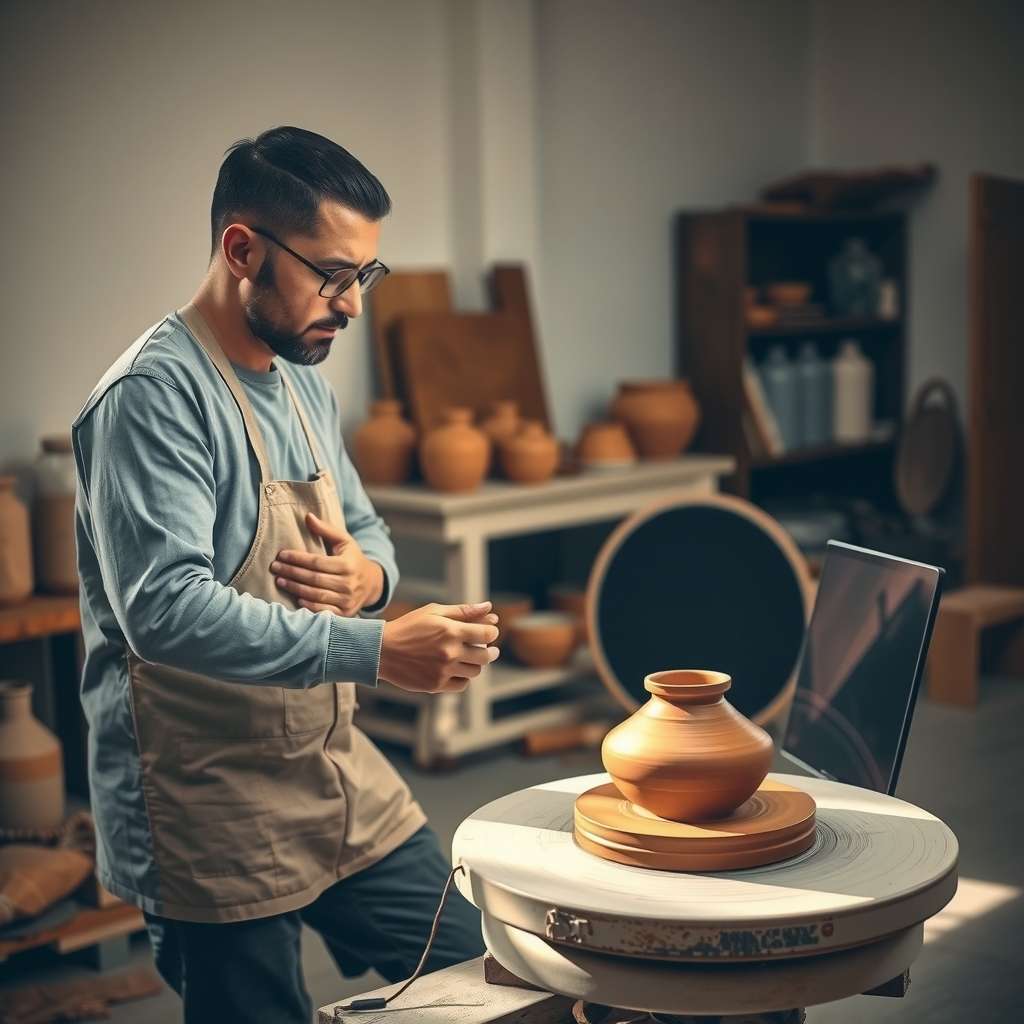
Handcrafted ceramics for modern interiors are more than functional vessels; they are expressions of skill honed over generations. Each piece bears subtle variations in glaze, texture, and form, reflecting the maker’s personal touch. These nuances create visual intrigue and depth in a room, elevating everyday objects into conversation starters. For interior brands seeking authenticity, integrating these artisanal pieces can differentiate their collections and build a loyal customer base that values genuine artistry.
1.2 Sustainable Production Meets Contemporary Design
Modern consumers increasingly prioritize sustainability. Handcrafted ceramics for modern interiors often use locally sourced clay, low‑energy kilns, and natural pigments, resulting in a smaller carbon footprint compared to factory‑produced items. Moreover, the durability of hand‑fired ceramics means fewer replacements, aligning with circular design principles. Brands that showcase these eco‑friendly attributes can tap into the growing green‑design market.
2. Java’s Ceramics: A Cultural Treasure Trove
2.1 Historical Roots of Javanese Pottery
Java’s pottery heritage dates back to the Srivijaya era, with influences from Chinese, Indian, and local traditions. Over centuries, artisans developed distinct styles such as the “Batu” ware and the “Kedoya” glaze. These techniques are still practiced today, preserving a living history. When brands incorporate handcrafted ceramics for modern interiors from Java, they embed centuries of cultural narrative into contemporary spaces.
2.2 Contemporary Innovations in Javanese Craft
While honoring tradition, Java’s potters are not afraid to experiment. Modern glazing techniques, mixed‑media finishes, and ergonomic forms blend seamlessly with minimalist design trends. The result is a portfolio of handcrafted ceramics for modern interiors that can fit seamlessly into Scandinavian, industrial, or mid‑century modern aesthetics, offering versatility without compromising authenticity.
3. Why Handcrafted Ceramics for Modern Interiors from Java Stand Out
- Unique Glaze Palette: Natural clays and mineral pigments produce earthy tones that complement neutral palettes favored in 2026 design.
- Texture and Depth: Hand‑touched surfaces create tactile interest, enhancing sensory engagement in a space.
- Storytelling Potential: Each piece carries a lineage, allowing designers to weave narratives into their projects.
- Eco‑Responsibility: Local sourcing and low‑energy firing align with sustainability goals.
- Customizability: Artists can tailor forms and glazes to brand identities, ensuring unique product lines.
4. Integrating Java’s Handcrafted Ceramics into Modern Interior Brands
4.1 Product Line Development
Start by identifying key functional categories—vases, bowls, planters, and decorative plates—that resonate with your brand’s aesthetic. Work closely with Javanese artisans to refine shapes, glazing, and finish. This collaboration ensures that the final products embody both your brand ethos and the artisanal integrity of handcrafted ceramics for modern interiors.
4.2 Storytelling Through Packaging and Marketing
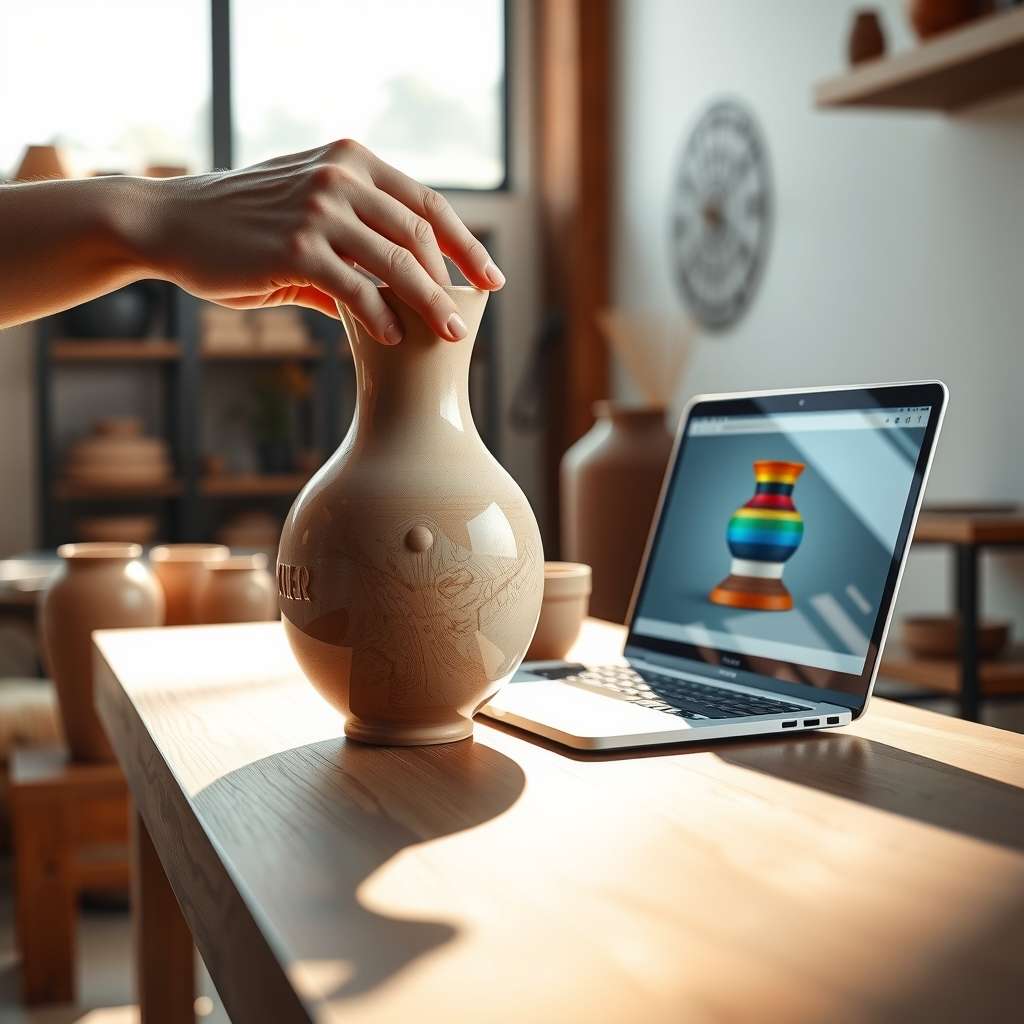
Use high‑quality images that capture the subtle glaze variations and hand‑crafted textures. Include brief biographies of the artisans, their techniques, and the cultural significance behind each design. This narrative adds perceived value and builds emotional connections with consumers.
4.3 Pricing Strategy and Value Proposition
Handcrafted ceramics for modern interiors command premium pricing due to the labor intensity and material quality. Position these pieces as investment pieces that add long‑term value to a home’s décor, emphasizing durability and exclusivity.
5. Market Trends Supporting Handcrafted Ceramics for Modern Interiors
5.1 Rise of Authentic Design
2026 interior design reports indicate a 30% increase in demand for authentic, handmade pieces. Consumers seek items that reflect individuality and cultural depth, making handcrafted ceramics for modern interiors an attractive offering.
5.2 Sustainable Living and Eco‑Design
Eco‑conscious consumers prioritize products with low environmental impact. Handcrafted ceramics for modern interiors, with their minimal packaging and durable construction, fit perfectly into this trend.
5.3 Digital Storytelling and E‑Commerce Growth
Online platforms allow brands to showcase the behind‑the‑scenes processes of Javanese artisans. Virtual tours, video interviews, and interactive product pages enhance customer engagement and justify premium pricing.
6. Practical Guide: Selecting the Right Javanese Ceramics for Your Brand
- Assess Your Brand’s Aesthetic: Match glaze colors and forms to your existing color palette.
- Choose the Right Clay Body: Light-bodied clays offer translucency; earthenware provides a rustic feel.
- Determine Glaze Finish: Matte glazes suit minimalist interiors; glossy finishes add a contemporary edge.
- Consider Functional Versatility: Items that can