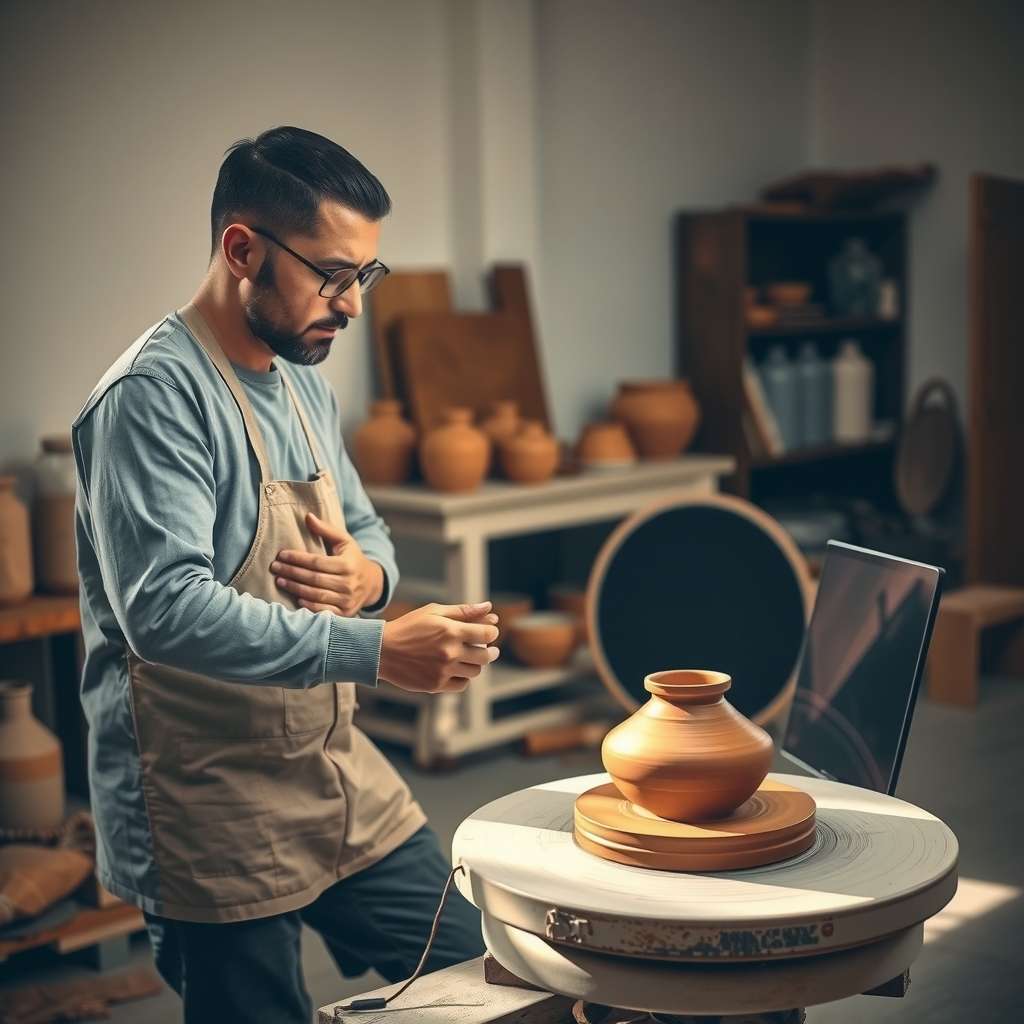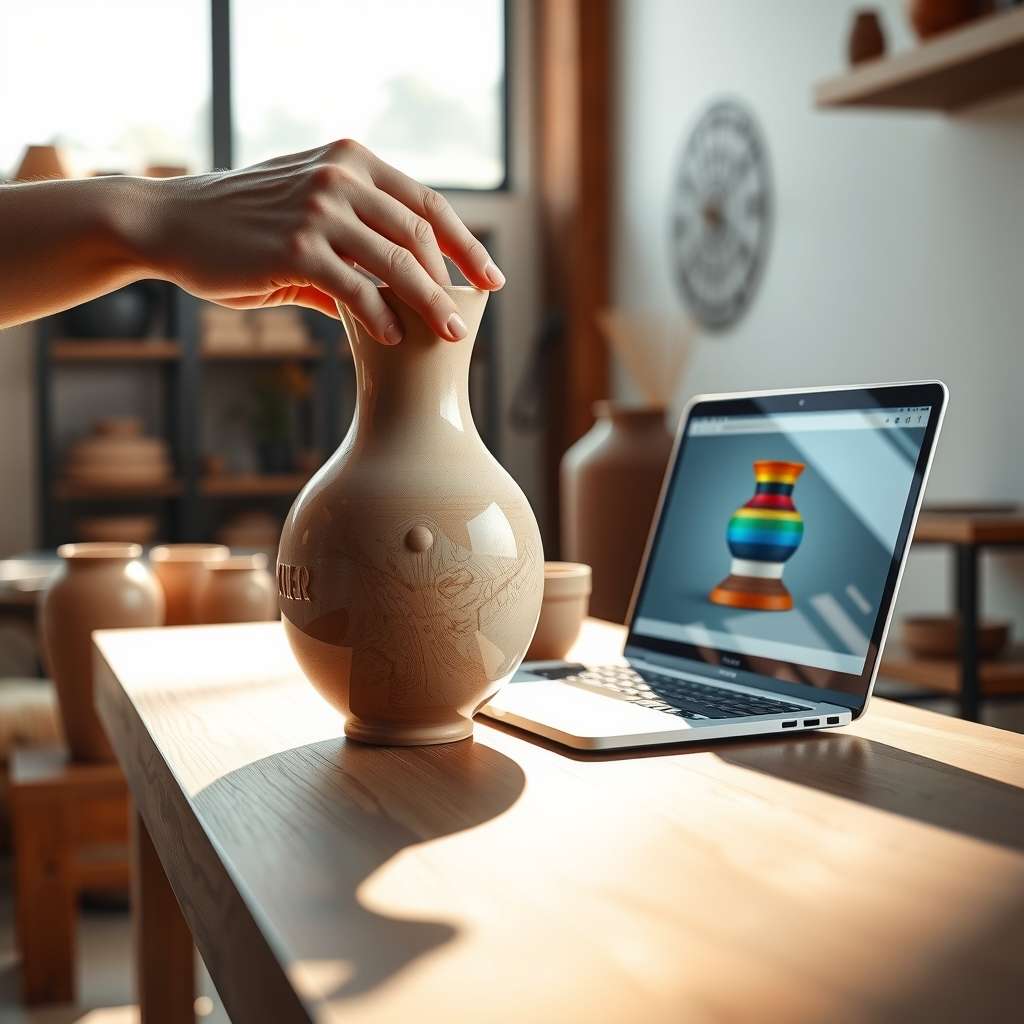
Welcome to the world of handmade ceramics, where art meets functionality and creativity knows no bounds. In this realm, custom ceramic shapes play a vital role in setting your creations apart from the rest. Whether you’re a seasoned ceramicist or just starting out, understanding the process of custom shape development can elevate your craft to new heights. In this comprehensive guide, we’ll delve into the best practices for custom shape development, exploring the techniques, tools, and tips that will help you master custom ceramic shapes and take your handmade ceramics to the next level.
Understanding the Importance of Custom Ceramic Shapes
Custom ceramic shapes are more than just a design element; they’re a way to express your unique perspective and style. By creating one-of-a-kind shapes, you can differentiate your handmade ceramics from mass-produced items, making them truly special and desirable. Moreover, custom ceramic shapes can also serve a functional purpose, such as creating a specific type of vessel or decorative piece that meets the needs of your target audience.
The Design Process: From Concept to Creation
Developing custom ceramic shapes involves a multi-step process that requires careful planning, creativity, and technical skills. Here’s a general overview of the design process:
- Conceptualization: Brainstorm and sketch out ideas, considering factors like functionality, aesthetics, and target audience.
- Prototyping: Create a mockup or prototype of your design to test its feasibility and make necessary adjustments.
- Refinement: Refine your design, taking into account factors like size, proportion, and texture.
- Production: Create the final product, using techniques like hand-building, wheel-throwing, or slip-casting.
Tools and Materials for Custom Shape Development
To create custom ceramic shapes, you’ll need a range of tools and materials, including:
- Ceramic clay: Choose a suitable type of clay that suits your needs, considering factors like plasticity, strength, and firing temperature.
- Pottery wheel: A pottery wheel can be a valuable tool for creating symmetrical, rounded shapes.
- Hand-building tools: Use tools like ribs, loops, and modeling tools to shape and refine your creations.
- Kiln: A kiln is essential for firing your ceramics, ensuring they’re strong, durable, and food-safe.
Techniques for Achieving Custom Ceramic Shapes
There are various techniques you can use to achieve custom ceramic shapes, including:
- Slip-casting: Create intricate, detailed shapes using a liquid clay slip and a plaster mold.
- Hand-building: Use coiling, pinching, or sculpting techniques to create unique, organic shapes.
- Wheel-throwing: Use a pottery wheel to create symmetrical, rounded shapes, such as bowls, cups, or vases.
Common Challenges and Solutions
When working with custom ceramic shapes, you may encounter challenges like uneven firing, cracking, or warping. To overcome these issues, consider the following solutions:
- Use a consistent firing schedule and temperature to ensure even firing.
- Apply a layer of underglaze or overglaze to protect your ceramics from water and food.
- Use a drying rack or slow dryer to prevent warping or cracking during the drying process.
Best Practices for Custom Shape Development
To achieve success in custom shape development, keep the following best practices in mind:
- Start with a clear concept and design plan.
- Use high-quality materials and tools.
- Test and refine your designs regularly.
- Stay up-to-date with the latest techniques and trends in ceramic art.
Staying Inspired and Creative
To maintain your creative spark and stay inspired, try the following:
- Follow ceramic artists and designers on social media.
- Attend workshops, classes, and conferences to learn new techniques and network with other artists.
- Experiment with different materials, tools, and techniques to stay challenged and engaged.
Conclusion and Call-to-Action
In conclusion, custom shape development is a vital aspect of handmade ceramics, allowing you to create unique, functional, and beautiful pieces that reflect your artistic vision. By following the guidelines, techniques, and best practices outlined in this guide, you’ll be well on your way to mastering custom ceramic shapes and taking your ceramic art to new heights. So why not get started today? Begin exploring the world of custom shape development, and discover the endless possibilities that await you. Start creating your own custom ceramic shapes now and share your creations with the world!