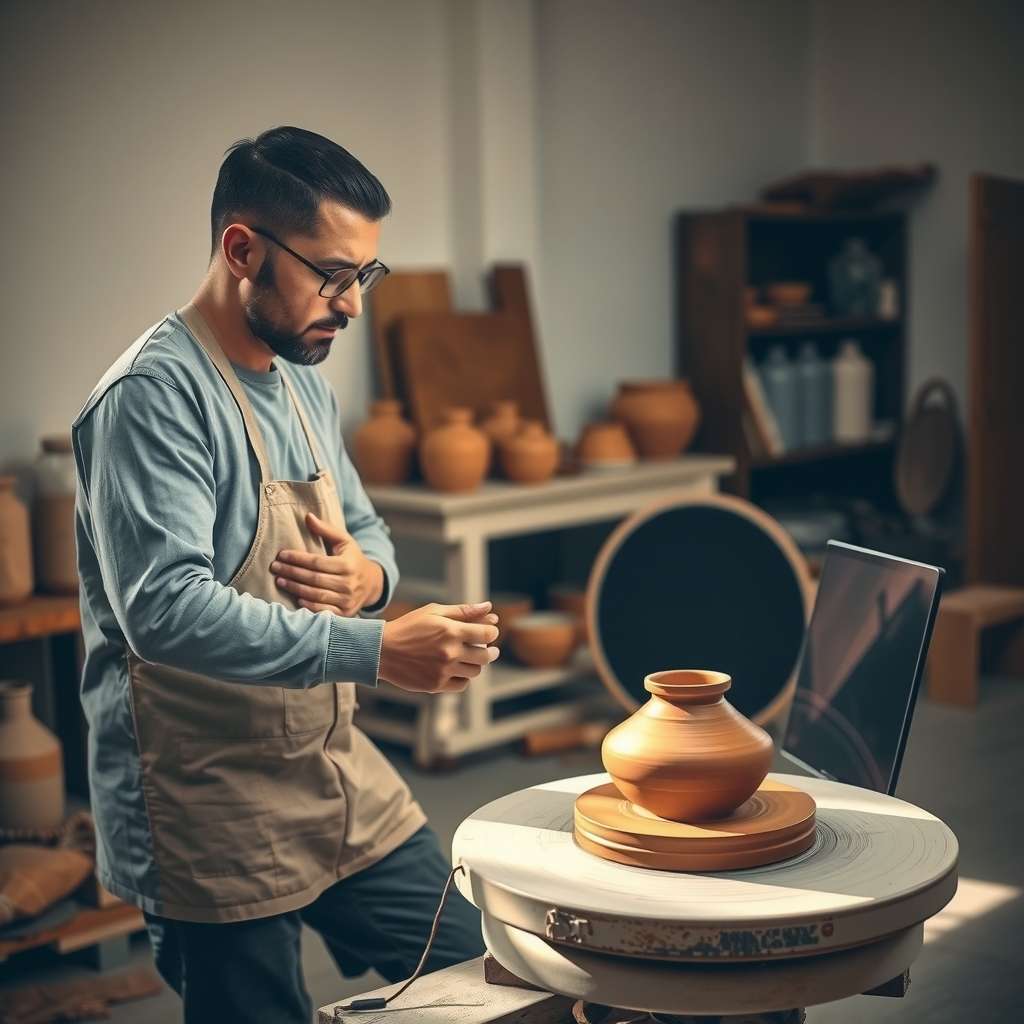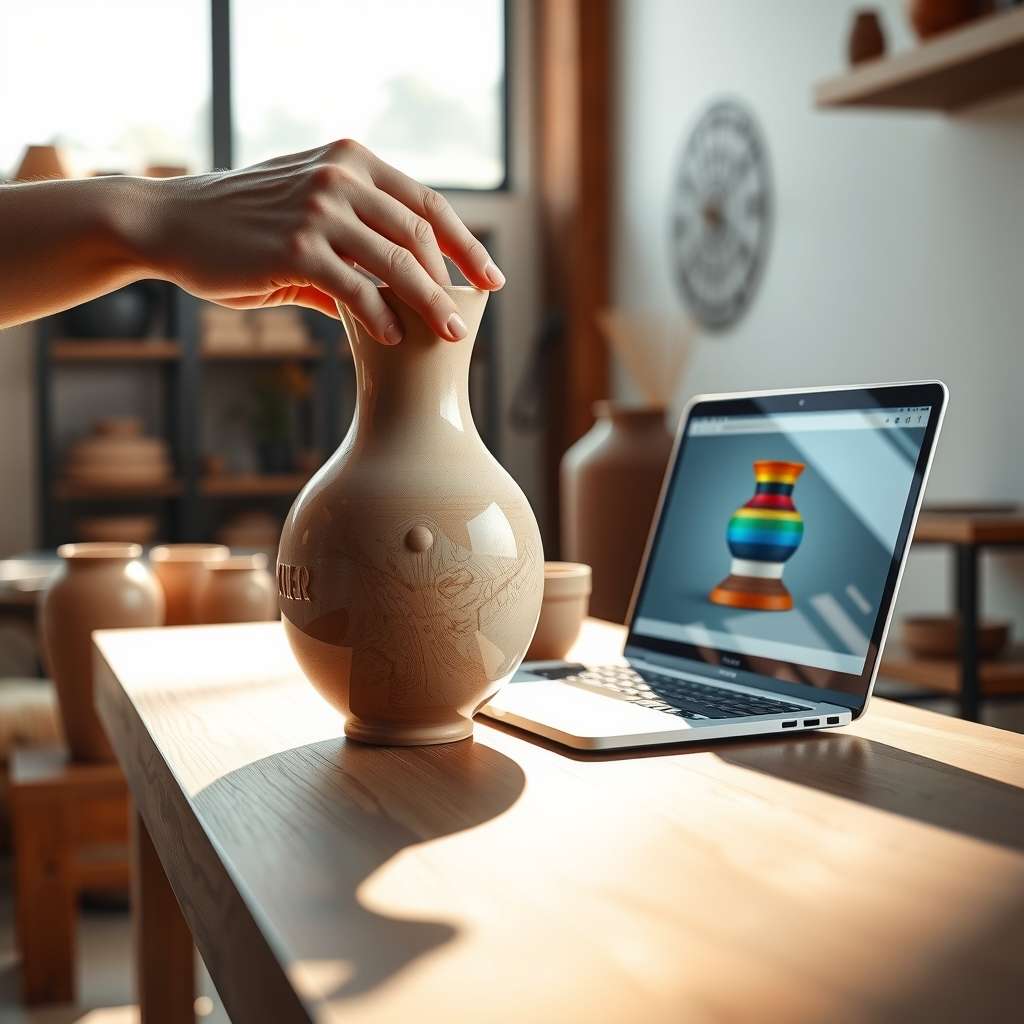
Ceramic products have become an integral part of our daily lives, from the dishes we use to the tiles that adorn our floors. However, have you ever wondered what happens behind the scenes to ensure that these products meet the highest standards of quality? The answer lies in Ceramic Quality Control, a process that is crucial in guaranteeing the excellence of ceramic products. In this article, we will delve into the world of ceramic quality control, exploring its importance, the process involved, and the benefits it brings to the table.
Introduction to Ceramic Quality Control
Ceramic quality control is a systematic process that involves inspecting and testing ceramic products to ensure they meet the required standards. This process is essential in identifying any defects or flaws in the products, which can then be rectified before they reach the market. The goal of ceramic quality control is to provide customers with high-quality products that are safe, durable, and aesthetically pleasing.
The Ceramic Quality Control Process
The ceramic quality control process typically involves several stages, including:
- Raw material inspection: This stage involves inspecting the raw materials used to produce the ceramic products, such as clay, silica, and feldspar.
- Production monitoring: This stage involves monitoring the production process to ensure that it is carried out according to the specified standards.
- Product testing: This stage involves testing the finished products to ensure they meet the required standards.
- Packaging and shipping inspection: This stage involves inspecting the packaging and shipping of the products to ensure they are handled and transported safely.
Types of Ceramic Quality Control
There are several types of ceramic quality control, including:
- Visual inspection: This involves visually inspecting the products for any defects or flaws.
- Dimensional inspection: This involves measuring the products to ensure they meet the specified dimensions.
- Functional testing: This involves testing the products to ensure they function as intended.
Benefits of Ceramic Quality Control
Ceramic quality control brings numerous benefits to the table, including:
- Improved product quality: Ceramic quality control ensures that products meet the highest standards of quality, which can lead to increased customer satisfaction and loyalty.
- Reduced waste: By identifying defects or flaws early on, ceramic quality control can help reduce waste and minimize the need for rework or repairs.
- Increased efficiency: Ceramic quality control can help streamline the production process, reducing the time and resources required to produce high-quality products.
Challenges in Ceramic Quality Control
Despite the importance of ceramic quality control, there are several challenges that manufacturers may face, including:
- Lack of skilled personnel: Ceramic quality control requires skilled personnel who are trained to inspect and test products effectively.
- High equipment costs: The equipment required for ceramic quality control can be expensive, which can be a barrier for small-scale manufacturers.
- Time-consuming process: Ceramic quality control can be a time-consuming process, which can delay the production and delivery of products.
Best Practices for Ceramic Quality Control
To ensure effective ceramic quality control, manufacturers should follow best practices, including:
- Developing a quality control plan: This involves establishing a plan that outlines the quality control process and procedures.
- Providing training: This involves providing training to personnel on the quality control process and procedures.
- Investing in equipment: This involves investing in equipment that can help streamline the quality control process.
Future of Ceramic Quality Control
The future of ceramic quality control looks promising, with advances in technology and equipment expected to improve the efficiency and effectiveness of the process. Some of the trends that are expected to shape the future of ceramic quality control include:
- Increased use of automation: Automation is expected to play a bigger role in ceramic quality control, with machines and robots being used to inspect and test products.
- Use of artificial intelligence: Artificial intelligence is expected to be used to analyze data and identify patterns, which can help improve the quality control process.
- Increased focus on sustainability: There is an increasing focus on sustainability in the ceramic industry, with manufacturers expected to prioritize environmentally friendly practices and reduce waste.
Conclusion
In conclusion, Ceramic Quality Control is a critical process that ensures the excellence of ceramic products. By understanding the importance of ceramic quality control, manufacturers can implement effective quality control processes that improve product quality, reduce waste, and increase efficiency. As the ceramic industry continues to evolve, it is essential to stay up-to-date with the latest trends and best practices in ceramic quality control. If you are a manufacturer looking to improve your ceramic quality control process, we encourage you to contact us to learn more about how we can help. With our expertise and guidance, you can ensure that your ceramic products meet the highest standards of quality and exceed customer expectations.