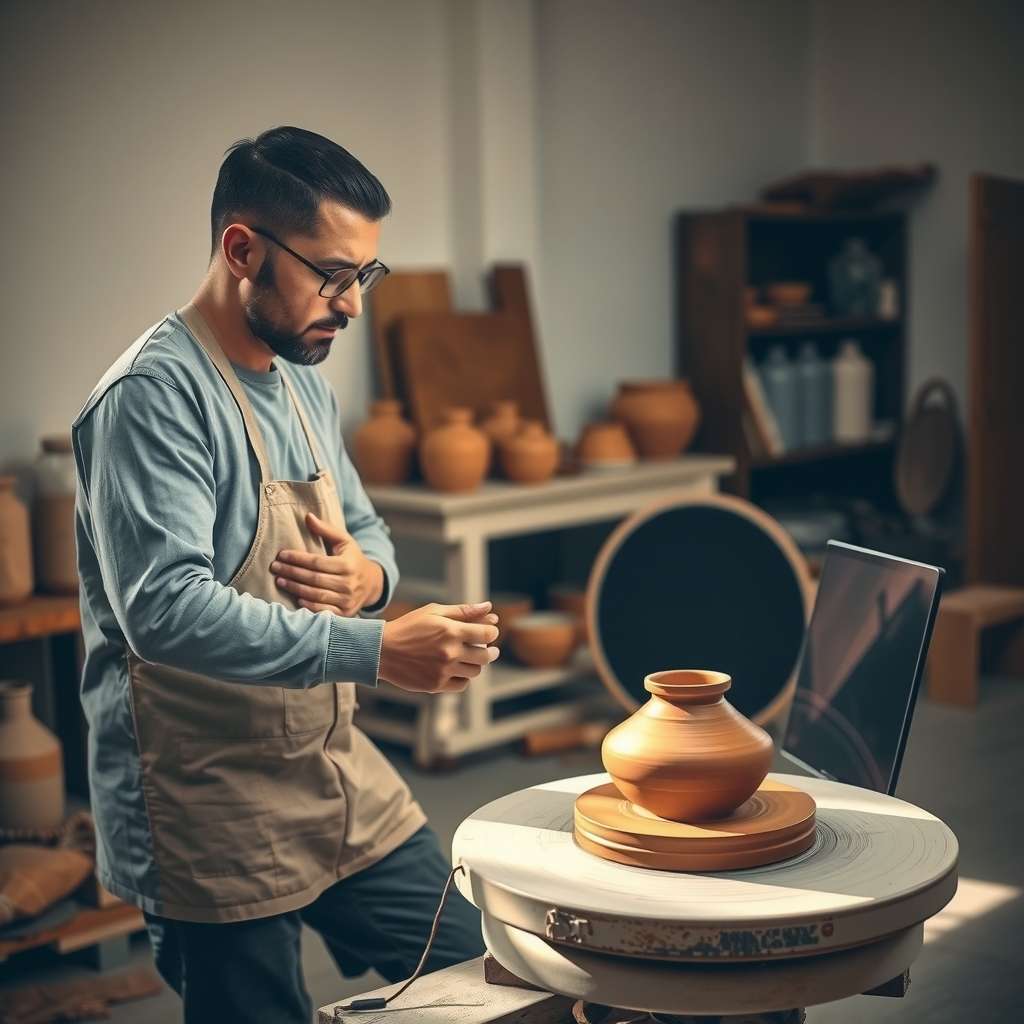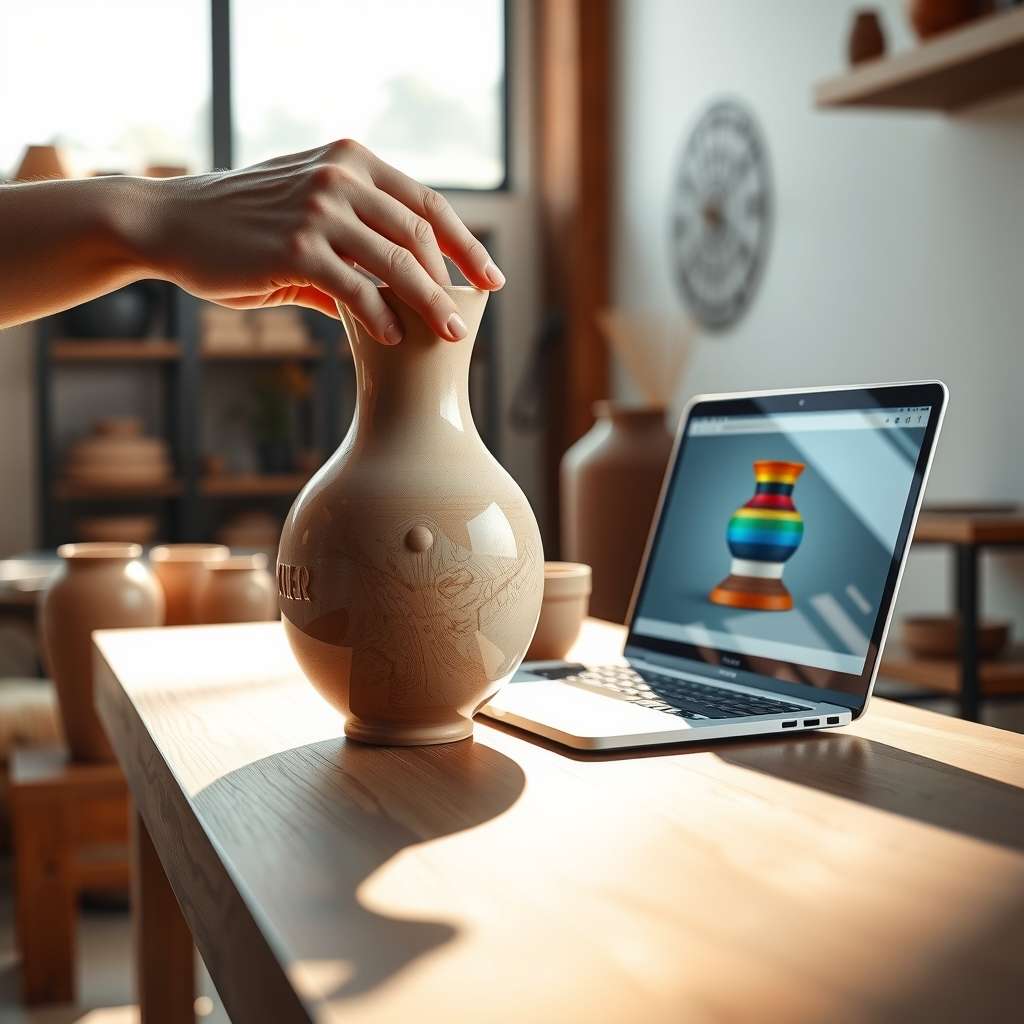
Imagine a piece of pottery that reflects your personality, your kitchen style, and your taste for uniqueness. For many, the idea of a one‑of‑a‑kind ceramic creation sounds like a dream. Yet, the allure of made to order pottery often comes with a waiting period that can feel like a test of patience. In this ultimate guide, we’ll explore why the wait is not only worth it but essential for anyone who values authenticity, craftsmanship, and a personal touch in their home décor.
1. Unmatched Personalization: Your Vision, Your Creation
Made to order pottery offers a level of customization that mass‑produced items simply cannot match. Whether you’re looking for a specific glaze color, a unique shape, or a particular handle design, the artisan can tailor each detail to your exact preferences. This personal touch turns a simple dinnerware set into a reflection of your style.
- Color palettes: Choose from a spectrum of hand‑mixed glazes.
- Shapes and sizes: Customize dimensions to fit your kitchen layout.
- Finish options: Opt for matte, glossy, or textured surfaces.
- Engravings: Add initials or custom motifs for a truly personal touch.
Because each piece is crafted to your specifications, you’ll feel a deeper connection to your homeware, knowing it was created with your vision in mind.
2. Superior Craftsmanship: Skill Behind Every Piece
When you invest in made to order pottery, you’re investing in the expertise of seasoned artisans. These craftsmen spend years refining techniques such as wheel‑throwing, hand‑building, and glazing. Their hands‑on approach ensures that every item is not only visually stunning but also structurally sound.
Unlike factory‑made ceramics, which often rely on automated processes, custom pottery undergoes meticulous hand‑inspection at every stage. From the first throw to the final glaze application, each step is guided by an artisan’s eye for detail.
This dedication to quality results in pottery that is more durable, lighter, and better suited for everyday use.
3. Eco‑Friendly Production: Less Waste, More Sustainability
Made to order pottery aligns with sustainable practices in several ways. First, the production scale is small, reducing excess inventory and the associated waste from unsold items. Second, artisans often use locally sourced clay and low‑VOC glazes, minimizing the carbon footprint.
Because each piece is crafted on demand, there’s less need for mass shipping and packaging, further reducing environmental impact. Choosing custom ceramics also supports local economies, keeping the benefits close to the community.
4. Investment in Art: Owning a Piece of Living History
Each piece of made to order pottery carries a story—of the maker’s skill, the clay’s origin, and the glaze’s journey. This narrative adds intangible value, turning a functional item into a collectible. Over time, many custom ceramics appreciate in value, especially if they come from renowned artisans or limited runs.
Collectors often seek unique, hand‑crafted items that carry a sense of heritage. By purchasing made to order pottery, you’re not just buying a vessel; you’re acquiring a piece of living art that can be passed down through generations.
5. Versatility for Every Need: From Kitchen to Décor
Custom pottery isn’t limited to dinnerware. You can request pieces that serve as decorative accents, planters, or functional art for your workspace. The flexibility of design means that you can create a cohesive aesthetic across your home or office.
- Functional décor: Sculptural vases that double as centerpieces.
- Outdoor use: Weather‑resistant garden pots tailored to your landscaping.
- Gift items: Personalized mugs or plates for special occasions.
Because the artisan can adapt to any brief, made to order pottery becomes a versatile tool for expressing style in every corner of your life.
6. Building Relationships with Local Artisans
Choosing made to order pottery means engaging directly with creators. This connection allows for a collaborative process where you can see prototypes, discuss adjustments, and feel part of the creation journey.
These relationships foster a sense of community and support for local craft economies. When you purchase custom ceramics, you’re contributing to the livelihoods of artists who often face challenges in a market dominated by mass production.
7. A Gift That Grows With Your Story
Unlike generic gift items, a made to order pottery piece evolves with you. As your tastes shift, you can commission new designs that reflect your growth. Over the years, a collection of custom pieces can become a personal timeline, each item marking a milestone.
For loved ones, a custom ceramic gift—such as a personalized bowl or a hand‑engraved mug—carries a depth of meaning that mass‑produced items rarely achieve. It becomes a cherished heirloom that tells a story of thoughtfulness and care.
Choosing the Right Artisan: A Step‑by‑Step Guide
1. Research Credentials
Look for artisans with proven experience, testimonials, and a portfolio that showcases a range of styles. A strong track record indicates reliability and quality.
2. Discuss Your Vision
Prepare a clear brief: include size, color, glaze, and any special features. The more detail you provide, the closer the final piece will match your expectations.
3. Evaluate Materials
Ask about the clay body, glaze composition, and firing temperature. High‑quality materials translate into better durability and finish.
4. Review Pricing and Timeline
Custom pieces often come with a premium price and a longer lead time. Ensure that the cost aligns with your budget and that the timeline fits your needs.
5. Request Samples
Some artisans offer sample glazes or small test pieces. These can give you a feel for the final product before committing to a larger commission.
Ordering Process: From Concept to Delivery
The journey of made to order pottery typically follows these stages:
- Consultation: Initial meeting or online communication to outline the project.
- Design & Sketch: Artisan creates sketches or 3D models for approval.
- Clay Preparation: Clay is wedged, shaped, and dried to the appropriate moisture level.
- Firing & Glazing: The piece undergoes multiple firings with glaze applications.
- Final Inspection: Artisan checks for defects and ensures quality standards.