Imagine the thrill of discovering a unique, hand‑crafted ceramic vase in a distant market, only to watch it shatter during transit. For artisans, collectors, and retailers alike, the risk of damage is a real barrier to import handmade ceramics. This guide breaks down every step—legal, logistical, and practical—so you can ship these delicate treasures with confidence, protect your investment, and keep customers smiling.
Why Importing Handmade Ceramics Is a Growing Opportunity
Handmade ceramics have surged in popularity due to their artistic value, cultural heritage, and sustainable production methods. Buyers are willing to pay premium prices for pieces that tell a story. Importing these items opens new markets, diversifies product lines, and strengthens brand authenticity. However, the journey from a potter’s wheel in Oaxaca to a boutique in London is fraught with challenges that demand careful planning.
Understanding the Unique Nature of Handmade Ceramics
Before you import handmade ceramics, it’s essential to recognize what makes them different from mass‑produced pottery. Each piece is often:
- Irregular in shape, making standard packaging difficult.
- Made from fragile clay bodies that can crack under temperature changes.
- Glazed with delicate finishes that can chip or fade.
- Often considered cultural artifacts, subject to specific export controls.
These characteristics dictate the shipping methods, insurance coverage, and documentation you’ll need.
Legal and Regulatory Landscape
Every country has its own set of rules governing the import of ceramic goods. Ignoring these can lead to costly delays, fines, or even seizure of your shipment.
Customs Classification and HS Codes
The Harmonized System (HS) code for most ceramic articles is 6912.00, but sub‑categories exist for decorative items, tableware, and art pieces. Using the correct HS code ensures accurate duty calculation and smooth customs clearance.
Import Licenses and Permits
Some nations require an import license for ceramics, especially if the items contain hazardous substances (e.g., lead‑based glazes). Check with the destination country’s customs authority or a trade consultant to confirm whether a permit is necessary.
Country‑of‑Origin Marking
Most customs regimes demand a clear country‑of‑origin label on each item or its packaging. This helps determine eligibility for preferential tariffs under free trade agreements.
Choosing the Right Freight Forwarder
A reputable freight forwarder can be the difference between a flawless delivery and a disaster. Look for partners who specialize in fragile, high‑value cargo and have proven experience with handmade ceramics.
- Experience: Verify their track record with similar shipments.
- Network: Ensure they have agents in both the export and import countries.
- Insurance Options: They should offer tailored coverage for breakage.
- Packaging Support: Some forwarders provide custom crating services.
Packaging Best Practices for Fragile Ceramic Items
Proper packaging is the cornerstone of safe shipping. Below is a step‑by‑step checklist to protect each piece from the moment it leaves the studio.
Materials You’ll Need
- Double‑wall corrugated cardboard boxes (minimum 5‑ply).
- Foam inserts or custom molded pulp trays.
- Bubble wrap (air‑pocket type, 3‑4 mm thickness).
- Packing peanuts or biodegradable “green” fillers.
- Strong packing tape (minimum 48 mm width).
- “Fragile – Handle with Care” stickers.
Step‑by‑Step Packing Process
- Wrap Each Piece Individually: Encase the ceramic in two layers of bubble wrap, securing with tape.
- Create a Cushion Base: Line the bottom of the box with a 2‑inch layer of packing peanuts.
- Place a Foam Insert: Position a custom foam tray that matches the shape of the item.
- Add the Wrapped Item: Gently set the wrapped piece on the foam, ensuring no movement.
- Fill Gaps: Fill all empty spaces with peanuts or shredded paper to prevent shifting.
- Seal and Label: Close the box with strong tape, attach “Fragile” stickers on all sides, and label the box with the destination address and HS code.
Insurance and Risk Management
Even with perfect packaging, accidents can happen. Comprehensive insurance safeguards your investment and offers peace of mind.
Types of Coverage
- All‑Risk Marine Insurance: Covers loss or damage from any cause, including mishandling.
- Declared Value Coverage: Allows you to set the exact value of each piece for claim purposes.
- Transit Delay Insurance: Compensates for financial losses caused by delayed delivery.
How to Calculate the Insured Value
Use the following formula to determine the appropriate coverage amount:
| Component | Calculation |
|---|---|
| Manufacturing Cost | Base price paid to the artisan. |
| Artistic Premium | 30‑50 % of the base price, reflecting uniqueness. |
| Shipping Cost | Estimated freight and handling fees. |
| Insurance Fee | Typically 0.2‑0.5 % of the total insured value. |
Adding these components yields the total insured value for each shipment.
Customs Documentation Checklist
Missing paperwork is the most common cause of delays. Prepare the following documents before your goods leave the country of origin:
- Commercial Invoice (detailing item description, HS code, unit price, total value).
- Packing List (including weight, dimensions, and packaging type).
- Certificate of Origin (if required for preferential tariffs).
- Material Safety Data Sheet (MSDS) for glazes containing hazardous substances.
- Export License (if applicable).
- Import Declaration Form (completed by the freight forwarder or customs broker).
Cost Breakdown: What to Expect When You Import Handmade Ceramics
Understanding the full cost structure helps you price your products accurately and avoid hidden fees.
| Cost Category | Typical Range | Notes |
|---|---|---|
| Freight Charges | $2‑$5 per kilogram (air) / $0.30‑$0.80 per kilogram (sea) | Depends on weight, volume, and urgency. |
| Customs Duties | 0‑12 % of declared value | Varies by HS code and trade agreements. |
| VAT/GST | 5‑20 % of (value + duty) | Based on destination country tax rates. |
| Insurance Premium | 0.2‑0.5 % of insured value | Higher for high‑value art pieces. |
| Packaging Materials | $1‑$3 per item | Custom crating may increase cost. |
| Brokerage Fees | $30‑$100 per shipment | Depends on complexity of clearance. |
Choosing the Right Shipping Method
The best mode of transport balances speed, cost, and safety. Below is a comparison of the three most common options for importing handmade ceramics.
| Method | Transit Time | Cost (per kg) | Risk Level | Best For |
|---|---|---|---|---|
| Air Freight | 3‑7 days | $2‑$5 | Low | High‑value, urgent orders. |
| Sea Freight (LCL) | 20‑35 days | $0.30‑$0.80 | Medium | Bulk shipments, cost‑sensitive. |
| Courier (Door‑to‑Door) | 5‑10 days | $4‑$8 | Low‑Medium | Small parcels, trackable service. |
Common Pitfalls and How to Avoid Them
Even seasoned importers stumble over a few recurring issues. Recognizing these early can save time and money.
- Under‑estimating Weight and Volume: Mis‑declared dimensions lead to surcharges.
- Inadequate Packaging: Skipping a foam insert often results in breakage.
- Ignoring Local Regulations: Some countries prohibit certain glaze chemicals.
- Skipping Insurance: Out‑of‑pocket losses can cripple a small business.
- Poor Communication with Suppliers: Ensure they understand your packaging standards.
Embracing Sustainable Shipping Practices
Eco‑friendly logistics not only reduce your carbon footprint but also resonate with conscious consumers.
- Choose sea freight for larger orders whenever possible.
- Use recyclable or biodegradable packing materials.
- Consolidate shipments to reduce the number of trips.
- Partner with carriers that offer carbon offset programs.
Frequently Asked Questions (FAQ)
Can I ship ceramics without a customs broker?
Yes, but a broker simplifies paperwork, ensures compliance, and often speeds up clearance. For high‑value or complex shipments, a broker is highly recommended.
What is the safest way to pack a large ceramic sculpture?
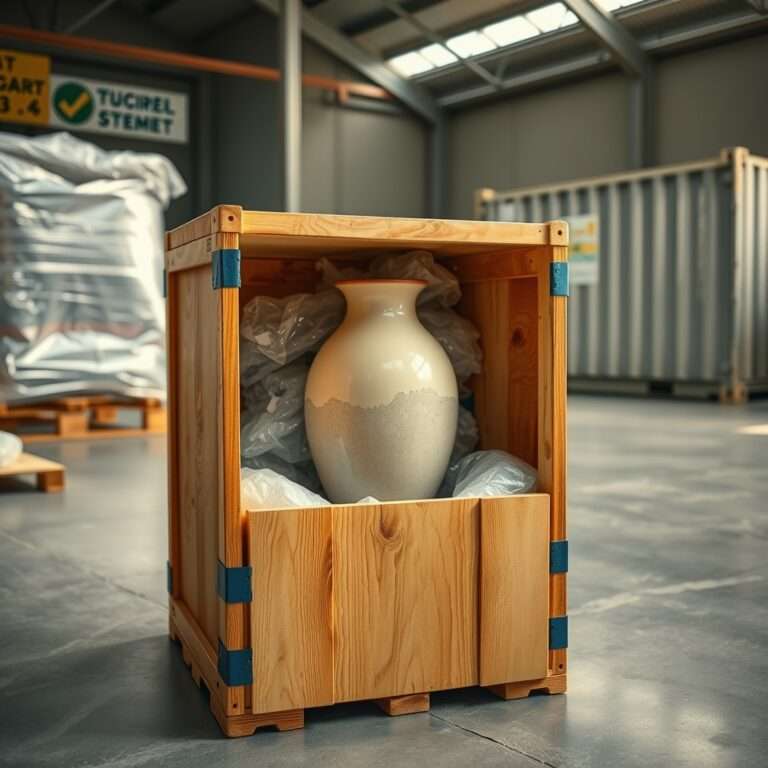
Use a custom‑molded wooden crate with interior foam padding, secure the piece with straps, and label the crate as “Fragile – Keep Upright.”
Do I need a special export license for ceramics?
Most countries do not require a license for ordinary ceramics, but items classified as cultural heritage or containing hazardous glazes may need one.
How do I calculate duties for imported ceramics?
Apply the duty rate (found in the destination country’s tariff schedule) to the declared customs value, which includes the product cost, freight, and insurance (CIF).
What insurance coverage is recommended for a $5,000 vase?
Opt for All‑Risk Marine Insurance with a declared value of at least $5,000 plus a 20 % buffer for handling fees, ensuring full reimbursement if damage occurs.
Step‑by‑Step Checklist to Successfully Import Handmade Ceramics
- Research destination country’s import regulations and HS code.
- Obtain any necessary licenses or permits.
- Select a freight forwarder experienced with fragile art.
- Agree on packaging standards with the supplier.
- Prepare all customs documentation (invoice, packing list, certificate of origin).
- Choose an appropriate shipping method (air, sea, courier).
- Purchase comprehensive insurance covering the full declared value.
- Track the shipment and communicate with the forwarder throughout transit.
- Confirm customs clearance and arrange final delivery.
- Inspect the goods upon arrival and file any insurance claims immediately if needed.
Conclusion: Turn Your Passion for Ceramics Into a Secure Global Business
Importing handmade ceramics can be a rewarding venture when you combine artistic appreciation with meticulous logistics. By mastering regulations, choosing the right shipping partner, investing in proper packaging, and protecting your cargo with adequate insurance, you set the stage for consistent, profitable growth. Ready to bring exquisite pottery to new markets without the worry of breakage?
Take the next step today: Contact a specialized freight forwarder, request a custom packaging quote, and start your first risk‑free shipment. Your customers—and your bottom line—will thank you.