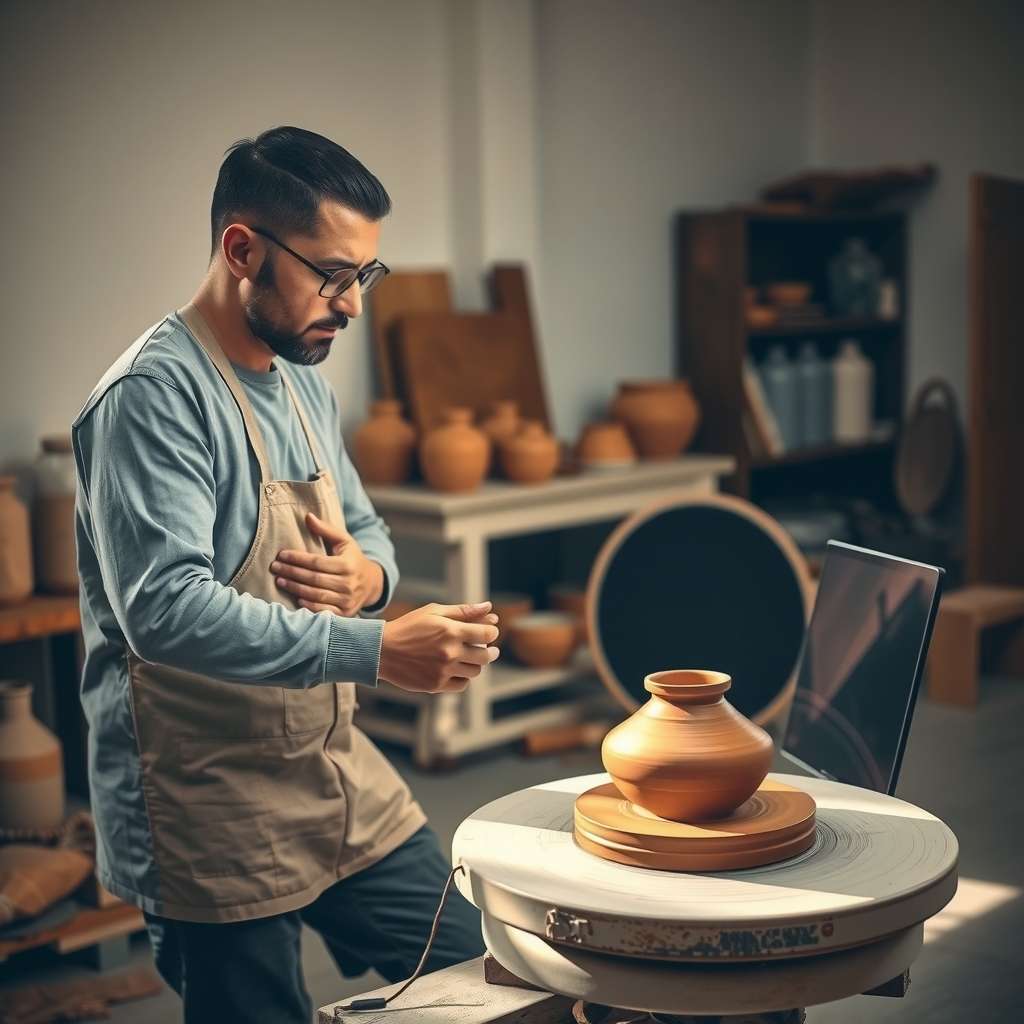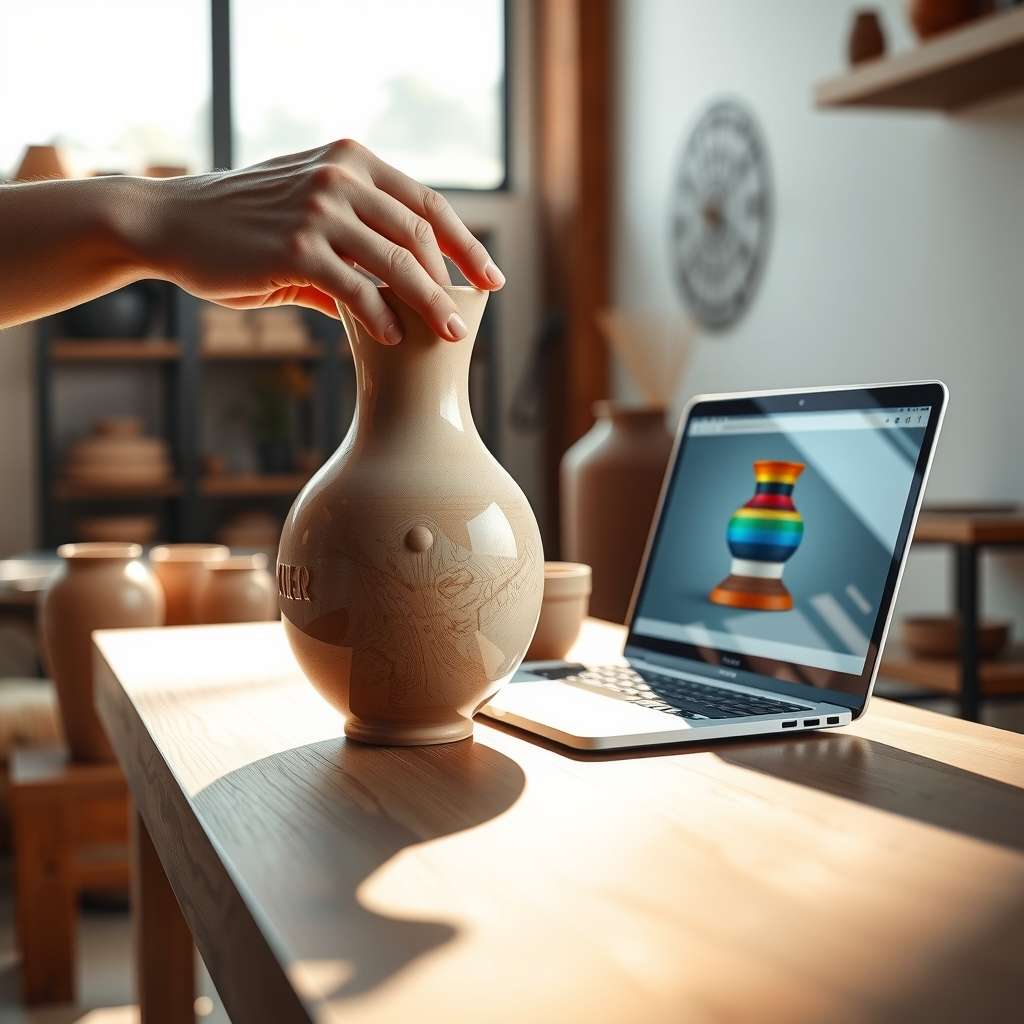
Opening Hook: Why the Future of Custom Ceramic Manufacturing Matters
Imagine a world where the ceramic components that power your smartphone, fuel your electric vehicle, and safeguard your home are not only lighter and stronger but also produced with unprecedented speed and sustainability. This vision is becoming a reality, driven by rapid technological breakthroughs and shifting market demands. For manufacturers, staying ahead of the curve is no longer optional—it’s a survival imperative. In 2026, custom ceramic manufacturing trends 2026 will redefine how we design, produce, and innovate. By understanding these trends now, you can position your business for the next wave of growth and competitive advantage.
Setting the Stage: What Makes 2026 a Turning Point for Ceramics?
For decades, ceramics have been synonymous with durability and high-temperature performance. Yet, the industry has lagged in adopting digital tools, sustainable practices, and flexible production methods. The convergence of additive manufacturing, artificial intelligence, and Internet of Things (IoT) technologies is dissolving these barriers. As global supply chains tighten and regulatory pressures mount, manufacturers are compelled to rethink every step—from raw material sourcing to final product inspection. The result? A paradigm shift that empowers small‑batch, high‑precision, and eco‑friendly ceramic solutions at scale.
The 7 Game‑Changing Innovations Shaping Custom Ceramic Manufacturing in 2026
Below we dissect the seven most influential trends that will dominate the custom ceramic manufacturing landscape in 2026. Each innovation offers a distinct advantage—whether it’s reducing lead times, cutting costs, or lowering environmental impact. By integrating these trends into your operations, you can unlock new revenue streams, enhance product quality, and meet the evolving expectations of tech‑savvy consumers.
The First Innovation: AI and Machine Learning in Design
Artificial intelligence (AI) is rapidly becoming the cornerstone of modern product design. In custom ceramic manufacturing, AI algorithms analyze vast datasets—from material properties to performance metrics—to generate optimized geometries that traditional CAD tools can only approximate. Machine learning models predict how a ceramic part will behave under stress, heat, or chemical exposure, enabling designers to iterate faster and with higher confidence.
These AI‑driven design tools reduce the trial‑and‑error cycle,