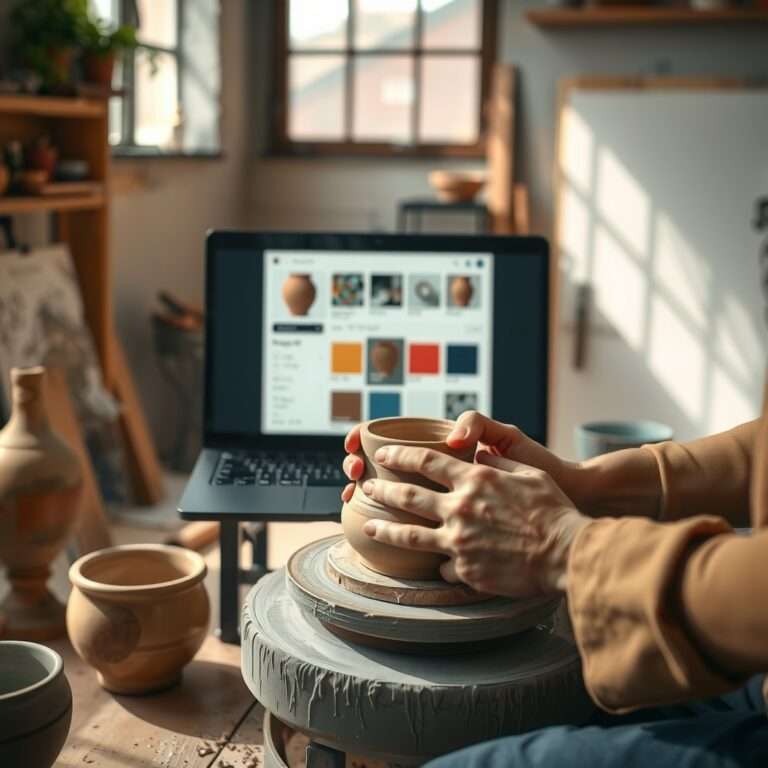
Imagine holding a piece of art that reflects your personal style, a family heirloom that tells a story, or a corporate gift that screams brand identity—all without ever stepping foot into a brick‑and‑mortar studio. That’s the power of custom pottery online. In today’s digital age, artists, entrepreneurs, and hobbyists alike can transform a simple sketch into a glazed masterpiece with just a few clicks. Yet many still wonder where to start, which platforms are trustworthy, and how to ensure the final product matches their vision. This guide walks you through the five best ways to bring your pottery ideas to life online, while sharing practical tips, pricing insights, and a handy comparison table to help you make an informed decision.
1. Choose a Dedicated Custom Pottery Platform
Specialized platforms have streamlined the entire process—from design upload to final delivery. They typically offer built‑in design tools, material guides, and a network of vetted artisans. By using a dedicated custom pottery online service, you eliminate the guesswork of finding a reliable studio on your own.
Why Dedicated Platforms Lead the Market
- End‑to‑end workflow: Upload, preview, approve, and receive.
- Quality assurance: Each studio is screened for craftsmanship and consistency.
- Transparent pricing: Clear cost breakdowns for size, glaze, and shipping.
- Customer support: Dedicated help desks for design tweaks and order tracking.
Top Platforms to Consider
| Platform | Design Tools | Minimum Order | Average Turnaround | Price Range (USD) |
|---|---|---|---|---|
| ClayCraft Studio | 3‑D visualizer, color palette | 1 piece | 2–3 weeks | $45 – $180 |
| PotteryPal | Drag‑and‑drop editor, live chat | 5 pieces | 1–2 weeks | $30 – $150 |
| ArtisanClay | Sketch upload, AI‑suggested glaze | 1 piece | 3–4 weeks | $55 – $220 |
| MyMugCo | Template library, text engraving | 10 pieces | 1 week | $20 – $90 |
Each platform offers a slightly different experience, but all share the core advantage of handling production logistics for you. When you choose a dedicated site, you also gain access to a community of fellow creators, which can spark fresh ideas and collaborations.
2. Leverage 3D Design Software for Precise Customization
For those who want total control over shape, texture, and glaze, 3D design software is a game‑changer. While many platforms provide basic visualizers, advanced creators often prefer standalone tools that integrate with custom pottery online services via file export.
Popular 3D Modeling Programs
- Blender: Free, open‑source, with sculpting brushes ideal for organic pottery forms.
- ZBrushCoreMini: User‑friendly for beginners, focusing on high‑detail surface work.
- Sculptris: Simplified version of ZBrush, perfect for quick prototypes.
- Fusion 360: Precise parametric modeling, great for functional pieces like mugs or bowls.
Export Formats That Pottery Studios Accept
Most online studios accept STL, OBJ, or 3MF files. These formats preserve the geometry of your model and allow the studio’s artisans to create a physical prototype using CNC routers or 3D‑printed molds before hand‑throwing the final piece.
Step‑by‑Step Workflow
- Sketch your idea on paper or digitally.
- Model the shape in your chosen 3D software, paying attention to wall thickness (minimum 3 mm for durability).
- Apply virtual glazes or color maps to preview the final look.
- Export the file in STL format and upload it to your chosen custom pottery online platform.
- Communicate any special instructions—such as hand‑painted details or specific firing temperatures—to the studio.
By mastering a 3D tool, you not only reduce the back‑and‑forth with the studio but also open the door to truly unique, sculptural pieces that stand out in a crowded market.
3. Partner with a Local Artisan Who Offers Remote Services
Not all talented potters have a sophisticated e‑commerce site, but many are happy to work remotely. This hybrid approach blends the personal touch of a local studio with the convenience of online ordering.
How to Find the Right Artisan
- Search local craft directories: Websites like Etsy, Instagram, and regional arts councils often list potters who accept custom orders.
- Read reviews and ask for references: Look for consistent quality and timely delivery.
- Request a portfolio: Ensure the artisan’s style aligns with your vision.
Communication Tips for Remote Collaboration
Clear communication is essential when you’re not meeting face‑to‑face. Use the following checklist to keep the process smooth:
- Provide high‑resolution images or sketches of your design.
- Specify dimensions, glaze colors, and any text or logos.
- Agree on a timeline and ask for milestone photos (e.g., after throwing, after bisque firing, after glaze).
- Confirm shipping methods and insurance for fragile items.
Benefits of the Local‑Remote Model
Working with a nearby artisan often means faster turnaround, lower shipping costs, and the ability to request minor adjustments mid‑process. Moreover, you support local economies while still enjoying the flexibility of ordering from the comfort of your home.
4. Use Print‑On‑Demand Services for Small‑Batch Production
If you need a limited run of custom mugs, plates, or decorative tiles, print‑on‑demand (POD) services can be a cost‑effective solution. These platforms use digital printing or decal transfer techniques to apply your artwork onto pre‑made ceramic blanks, then fire them for durability.
Key POD Providers for Ceramics
- Printful: Offers a range of mugs, plates, and planters with full‑color printing.
- Zazzle: Known for customizable dinnerware and gift sets.
- Redbubble: Ideal for artist‑designed artware with a global fulfillment network.
- Society6: Focuses on artist‑driven designs, perfect for limited‑edition runs.
When to Choose POD Over Hand‑Thrown
POD is best suited for:
- Bulk orders where uniformity is essential (e.g., corporate giveaways).
- Designs that rely heavily on photographic or graphic elements.
- Projects with tight budgets—POD eliminates the labor cost of hand‑thrown pieces.
Limitations to Keep in Mind
Because POD uses pre‑made blanks, you sacrifice the tactile nuances of hand‑crafted pottery—such as subtle variations in wall thickness or hand‑painted brushstrokes. If your brand story hinges on authenticity, consider blending POD for basics and hand‑thrown pieces for premium items.
5. Explore Subscription Boxes That Include Customizable Options
Subscription boxes have exploded in popularity, and several now offer a “design‑your‑own” pottery component. Each month, you receive a kit with raw clay, glaze swatches, and a link to an online configurator where you can personalize the final shape.
Popular Subscription Services
- ClayCrate: Monthly themed kits with optional custom engraving.
- PotteryBox: Provides a blank vessel and a QR code to a 3D design portal.
- ArtisanMonthly: Focuses on collaborative designs with a community voting system.
Advantages of the Subscription Model
These services combine the joy of DIY with professional finishing. You get to:
- Experiment with new techniques without a large upfront investment.
- Receive expert feedback from the brand’s in‑house potters.
- Build a cohesive collection over time, perfect for interior designers or collectors.
How to Make the Most of a Pottery Subscription
- Choose a theme that aligns with your brand or personal taste.
- Use the online configurator to add initials, logos, or custom glaze combos.
- Take advantage of the community forum to get tips on firing schedules and glaze layering.
- Share your finished pieces on social media—many services offer a discount for user‑generated content.
Additional Considerations When Ordering Custom Pottery Online
Beyond the five primary pathways, there are several cross‑cutting factors that can make or break your experience. Below, we cover pricing, sustainability, and quality control.
Pricing Structures and What Affects Cost
Understanding the components of a price quote helps you budget effectively. Typical cost drivers include:
- Size and complexity: Larger or intricately shaped pieces require more material and labor.
- Glaze selection: Specialty glazes (e.g., metallic, crackle) often cost more.
- Production method: Hand‑thrown pieces carry a premium over machine‑produced blanks.
- Quantity: Bulk orders usually unlock discounts.
- Shipping and insurance: Fragile items demand careful packaging, which adds to the final price.
Sustainability and Ethical Production
Many consumers now prioritize eco‑friendly practices. Look for studios that:
- Source locally mined clay to reduce carbon footprint.
- Use low‑toxicity glazes and recycle water during firing.
- Offer carbon‑neutral shipping options.
- Provide transparency about labor conditions and fair wages.
Quality Assurance Tips
Even with reputable platforms, a few safeguards ensure you receive a flawless product:
- Request a sample glaze swatch before finalizing the order.
- Ask for a high‑resolution photo of the bisque piece before glazing.
- Confirm the studio’s warranty policy for cracks or glaze defects.
- Keep all communication in writing—email threads serve as proof of agreed specifications.
Step‑by‑Step Checklist for a Successful Custom Pottery Order
- Define your vision: Sketch, write a brief, and decide on dimensions.
- Select the right method: Platform, 3D software, local artisan, POD, or subscription.
- Gather reference material: Color palettes, glaze samples, and texture inspirations.
- Upload or communicate your design: Use the platform’s tool or send files to the artisan.
- Review proofs: Check 3D renders, photos of the raw piece, and glaze mock‑ups.
- Approve and pay: Ensure the invoice matches the quoted price and includes shipping.
- Track production: Stay in touch for milestone updates.
- Receive and inspect: Examine for defects, verify dimensions, and test functionality.
- Provide feedback: Leave a review to help future buyers and improve the service.
Frequently Asked Questions (FAQ)
Can I order a single custom piece online?
Yes. Most dedicated platforms such as ClayCraft Studio and ArtisanClay allow one‑off orders, though the price per piece may be higher than bulk rates.
What is the typical turnaround time?
Standard hand‑thrown pieces take 2–4 weeks from design approval to delivery. POD items are often shipped within 7–10 days, while subscription kits arrive monthly.
Do I need to worry about shipping damage?
Reputable studios use double‑wall packaging, foam inserts, and “fragile” labels. Always opt for insurance on high‑value items.
Are there any hidden fees?
Transparent platforms list all costs up front, including glaze upgrades, custom packaging, and expedited shipping. Read the fine print before confirming.
Can I request a prototype before the final run?
Many artisans will produce a single prototype at a reduced cost, especially for large orders. This helps you verify size, weight, and glaze appearance.
Conclusion
Creating custom pottery online has never been more accessible. Whether you prefer a fully automated platform, the precision of 3D modeling, the personal touch of a local artisan, the efficiency of print‑on‑demand, or the excitement of a subscription box, there’s a pathway that fits your budget, timeline, and creative ambition. By following the steps outlined above—selecting the right service, communicating clearly, and understanding pricing—you can turn a simple idea into a cherished ceramic piece that stands the test of time.
Ready to bring your vision to life? Explore the platforms, experiment with design tools, and start your first order today. Your perfect piece of pottery is just a few clicks away.
Take action now: Visit our recommended ClayCraft Studio to upload your design, or download a free 3D pottery template from Blender and start sculpting. Let us help you make art that you can hold, use, and love.