Welcome to the 2026 Ultimate Ceramic Production Process Guide, where we delve into the world of ceramics and explore the intricacies of creating these beautiful and functional pieces. The Ceramic Production Process is a complex and multifaceted journey, from the selection of raw materials to the final product. In this guide, we will take you through each stage of the process, highlighting the key techniques, tools, and considerations that shape the world of ceramics.
Introduction to Ceramic Production
Ceramics have been a cornerstone of human civilization, with evidence of ceramic production dating back thousands of years. From ancient pottery to modern-day dinnerware, ceramics have played a significant role in our daily lives. The Ceramic Production Process involves a series of careful steps, each requiring attention to detail and a deep understanding of the materials and techniques involved.
Raw Materials and Their Selection
The journey of ceramic production begins with the selection of raw materials. These can include clay, silica, feldspar, and other minerals, each with its unique properties and characteristics. The choice of raw materials will ultimately determine the final product’s strength, durability, and aesthetic appeal. Some of the key considerations when selecting raw materials include:
- Clay: The primary component of ceramics, clay provides plasticity and can be sourced from various locations around the world.
- Silica: A common additive, silica helps to improve the strength and durability of ceramics.
- Feldspar: This mineral is often used to reduce the melting point of ceramics, making them easier to work with.
Understanding Clay Types
Clay is the backbone of ceramic production, and understanding the different types of clay is essential for creating high-quality ceramics. Some of the most common types of clay include:
- Kaolin: A soft, white clay often used for porcelain and fine ceramics.
- Ball clay: A highly plastic clay used for a wide range of ceramic products.
- Fire clay: A refractory clay used for high-temperature applications.
The Ceramic Production Process
Once the raw materials have been selected, the Ceramic Production Process can begin. This involves several stages, including:
- Wedging: The process of kneading the clay to remove air pockets and make it more pliable.
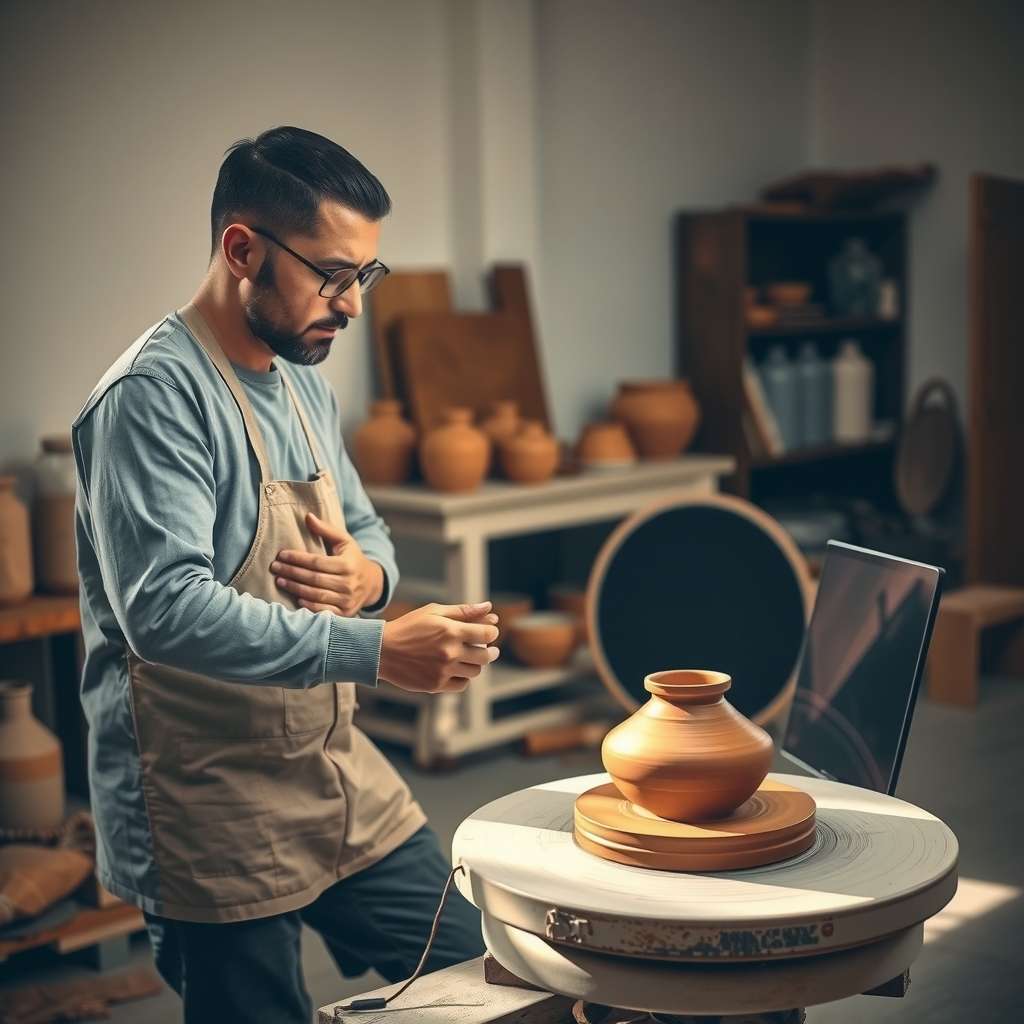
- Throwing: The act of shaping the clay into the desired form using a potter’s wheel or other tools.
- Drying: The process of removing excess moisture from the clay to prevent cracking or warping.
- Firing: The application of heat to the ceramic piece to achieve the desired hardness and durability.
Firing Techniques
Firing is a critical stage in the Ceramic Production Process, as it can greatly affect the final product’s appearance and durability. Some common firing techniques include:
- Oxidation firing: A process that involves firing the ceramic in an oxygen-rich environment to achieve bright, vibrant colors.
- Reduction firing: A process that involves firing the ceramic in a low-oxygen environment to achieve rich, muted colors.
Glazing and Decoration
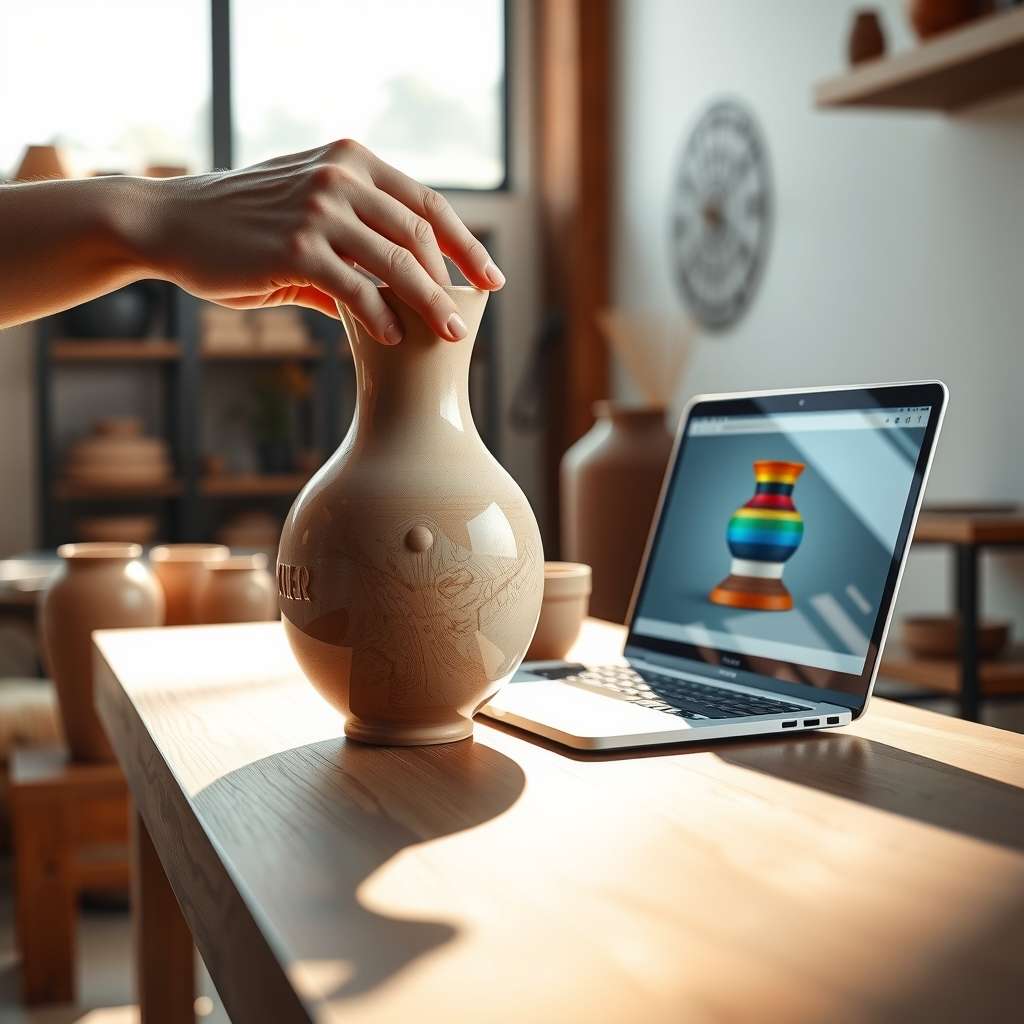
After the ceramic piece has been fired, it can be glazed and decorated to enhance its appearance. Glazing involves applying a layer of glass-like material to the surface of the ceramic, while decoration can include techniques such as painting, printing, or stamping.
Glaze Types
There are many different types of glazes that can be used to decorate ceramics, each with its unique characteristics and effects. Some common types of glazes include:
- Clear glaze: A transparent glaze that allows the underlying ceramic to show through.
- Opaque glaze: A solid-colored glaze that covers the underlying ceramic.
- Underglaze: A type of glaze that is applied under a clear glaze to create intricate designs and patterns.
Quality Control and Testing
Once the ceramic piece has been glazed and decorated, it must undergo quality control and testing to ensure that it meets the desired standards. This can include tests for strength, durability, and performance, as well as visual inspections for defects or imperfections.
Conclusion
In conclusion, the Ceramic Production Process is a complex and multifaceted journey that requires attention to detail, a deep understanding of materials and techniques, and a passion for creating beautiful and functional pieces. By following the stages outlined in this guide, ceramic artists and producers can create high-quality ceramics that meet the needs of their customers and exceed their expectations. If you’re interested in learning more about the ceramic production process or would like to explore the world of ceramics further, we invite you to contact us for more information.