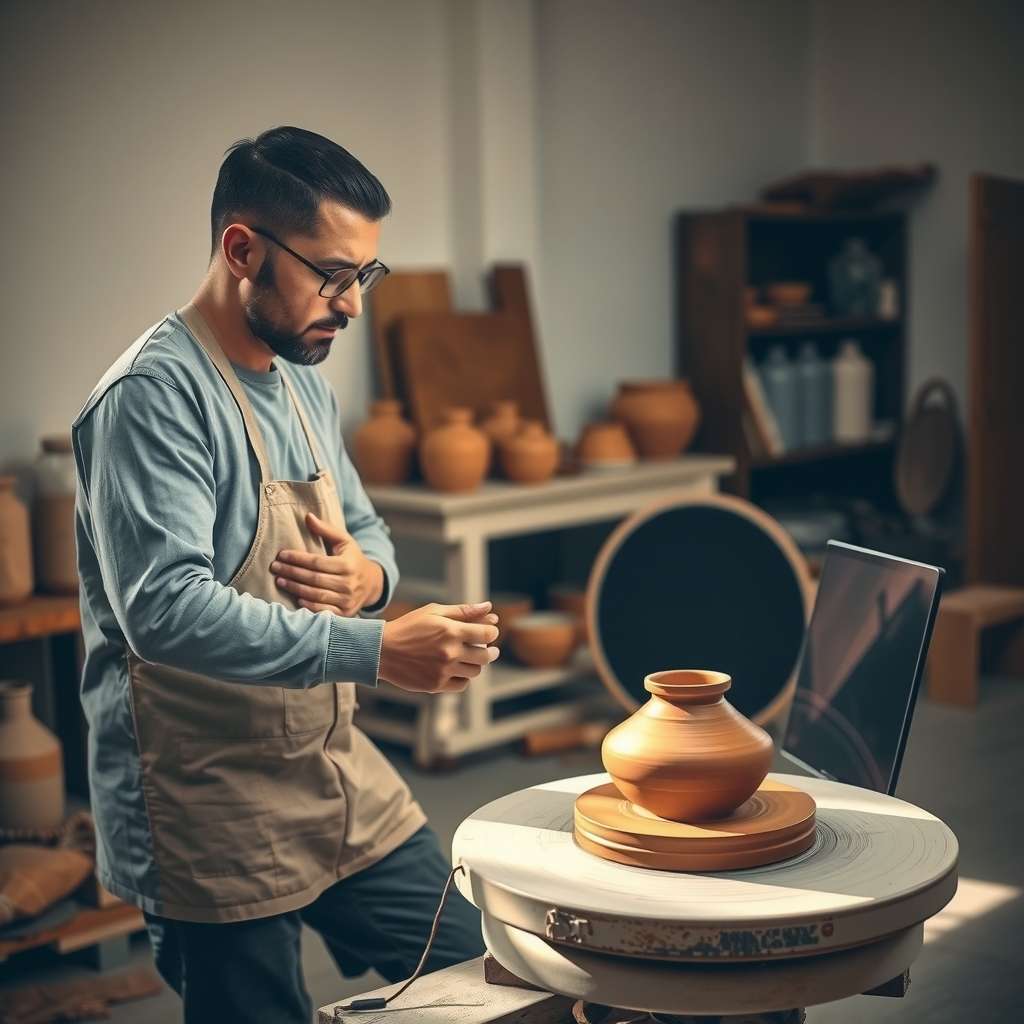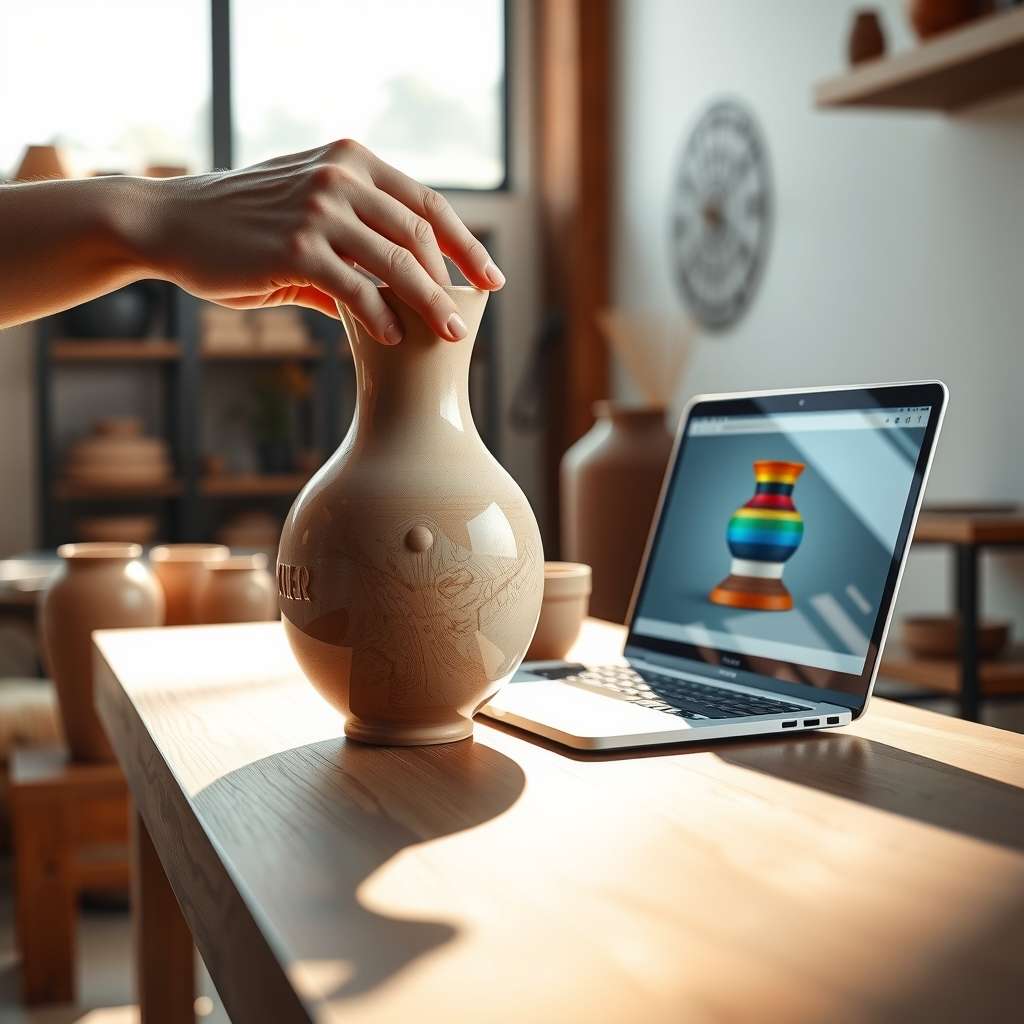
As we delve into the new year, the world of hospitality design is abuzz with innovative trends that promise to elevate the guest experience. Among these, the incorporation of Handmade Ceramics is making a significant mark, bringing a touch of uniqueness and warmth to hotel lobbies, restaurants, and rooms. The beauty of handmade ceramics lies not only in their aesthetic appeal but also in the story they tell—of artisans pouring their heart and soul into each piece, making every item a testament to human craftsmanship.
Introduction to Handmade Ceramics in Hospitality
The use of Handmade Ceramics in hospitality design is more than just a trend; it’s a movement towards creating spaces that are not only beautiful but also meaningful. Hotels and restaurants are now looking for ways to stand out from the chain-like uniformity, and handmade ceramics offer a perfect blend of art, culture, and personal touch. From decorative pieces to functional items like plates and cups, the applications are vast and varied.
Benefits of Incorporating Handmade Ceramics
There are several reasons why Handmade Ceramics are becoming a staple in hospitality design. Firstly, they offer a level of customization that mass-produced items can’t match. Each piece can be tailored to fit the specific theme or style of the establishment, ensuring a cohesive and unique aesthetic. Secondly, handmade ceramics promote sustainability, as they are often made from natural materials and can be more durable than their machine-made counterparts, reducing waste and the need for frequent replacements.
Sustainability and Durability
Sustainability is a key factor in the appeal of Handmade Ceramics. In an era where environmental consciousness is on the rise, hotels and restaurants are looking for ways to reduce their ecological footprint. Handmade ceramics, with their emphasis on natural materials and long-lasting quality, fit perfectly into this narrative. Additionally, the process of creating handmade ceramics is often less energy-intensive than industrial manufacturing, further reducing the carbon footprint.
Trends to Watch in 2026
As we move into 2026, several trends are emerging in the world of Handmade Ceramics that are particularly relevant to hospitality design. These include:
- Earth Tones and Natural Colors: There’s a shift towards earthy tones and natural colors that reflect the organic origins of the materials used in handmade ceramics.
- Mixed Media and Textures: Combining different materials and textures to create unique, layered looks that add depth and visual interest to spaces.
- Functional Art: The line between decorative pieces and functional items is blurring, with many handmade ceramics serving both purposes.
- Storytelling Through Design: Each piece of handmade ceramic tells a story of its creator and the process behind its making, adding an emotional and personal touch to the spaces they inhabit.
Implementing Handmade Ceramics in Your Design
For those looking to incorporate Handmade Ceramics into their hospitality design, there are a few key considerations. Firstly, it’s essential to work closely with artisans or suppliers to ensure that the pieces align with your design vision and values. Secondly, consider the functional needs of your space—how can handmade ceramics be used to enhance the guest experience? Finally, think about the narrative you want to tell through your design and how handmade ceramics can be a part of that story.
Collaboration with Local Artisans
Collaborating with local artisans can be particularly beneficial, as it supports the local economy and ensures that the pieces are imbued with the culture and spirit of the place. This not only enriches the guest experience but also contributes to the local community, fostering a sense of place and authenticity that is hard to replicate with mass-produced items.
Conclusion and Future Outlook
In conclusion, Handmade Ceramics are set to play a significant role in hospitality design in 2026 and beyond. With their unique blend of aesthetic appeal, sustainability, and emotional resonance, they offer hotels and restaurants a powerful tool to differentiate themselves and create memorable experiences for their guests. As we look to the future, it’s clear that the trend towards handmade and artisanal elements will continue, driven by consumer desire for authenticity, sustainability, and connection to the places they visit.
Ready to elevate your hospitality design with the beauty and uniqueness of Handmade Ceramics? Start exploring the world of artisanal ceramics today and discover how these pieces can transform your space and enrich your guest experience.