Find Top Private Label Ceramic Manufacturer
Introduction to Private Label Ceramic Manufacturing
Building a successful private label brand in the ceramics industry requires partnering with the right private label ceramic manufacturer. Whether you’re launching a new product line or expanding an existing one, the choice of manufacturer directly impacts product quality, brand reputation, and profitability. A reliable partner offers customizable solutions, scalable production, and compliance with global standards.
However, with countless manufacturers claiming to provide “premium” services, how do you identify the best fit for your business? This guide details actionable strategies to evaluate and select a private label ceramic manufacturer that aligns with your brand’s goals, budget, and quality expectations.
Understand Your Market and Product Needs
Define Your Brand’s Requirements
Before approaching manufacturers, clarify your product specifications. Consider:
- Type of ceramics needed (e.g., tableware, decorative items, industrial ceramics)
- Desired customization level (colors, logos, packaging)
- Target audience and budget constraints
Assess Market Demand
Research industry trends to ensure your product meets current demand. For example, eco-friendly ceramics or smart home-integrated tableware may attract higher margins. Tools like Google Trends or market reports can validate your niche.
Evaluate Manufacturing Capabilities
Production Capacity and Technology
A top-tier private label ceramic manufacturer should have advanced kilns, glazing systems, and quality control processes. Ask about:
- Annual production capacity (e.g., 10,000+ units/month)
- Use of automated vs. manual production lines
- Materials sourcing (eco-friendly clay, food-safe glazes)
Certifications and Compliance
Verify certifications like ISO 9001 (quality management) or FDA compliance for food-grade products. These ensure the manufacturer meets international safety standards.
Customization and Design Flexibility
Design Capabilities
Customization is a key advantage of private label partnerships. Ensure the manufacturer supports:
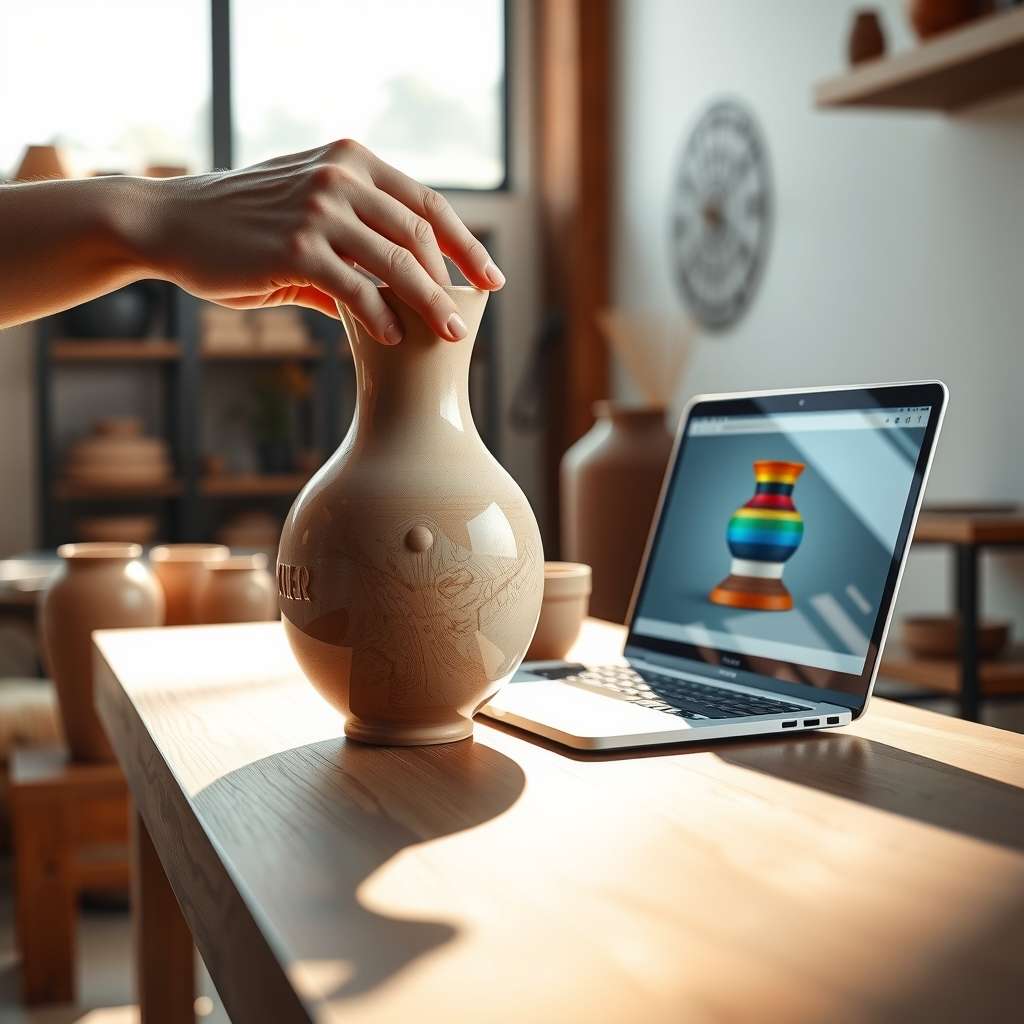
- 3D design software for prototyping
- Color, shape, and texture modifications
- Branding options (laser engraving, embossing)
Minimum Order Quantities (MOQs)
MOQs vary widely. Some manufacturers require 500+ units per order, while others accommodate smaller test runs. Discuss MOQ flexibility to align with your business stage (startup vs. established brand).
Quality Control and Testing
Inspection Processes
Reputable private label ceramic manufacturers implement multi-stage quality checks:
- Raw material testing
- In-process inspections during production
- Final quality assurance (e.g., drop tests, glaze adhesion checks)
Defect Rates and Rework Policies
Ask for defect rate percentages (ideally <2%) and how the manufacturer handles returns. A transparent policy reflects trustworthiness.
Cost Analysis and Pricing Models
Transparent Pricing Structure
Request a detailed quote covering:
- Unit price based on order volume
- Tooling or setup fees
- Shipping and export documentation costs
Cost vs. Quality Trade-offs
While lower prices may be tempting, prioritize manufacturers balancing affordability with consistent quality. Consider lifetime costs over short-term savings.
Logistics and Export Services
Shipping and Customs Expertise
Choose a manufacturer with experience in international shipping. Key factors include:
- Export licenses and customs compliance
- Preferred shipping methods (LCL/FCL, air/sea)
- Time-in-transit estimates
Packaging Solutions
Custom packaging enhances brand perception. Ensure the manufacturer offers eco-friendly, durable materials that align with your brand image.
Building a Long-Term Partnership
Communication and Responsiveness
Effective collaboration requires clear communication. Evaluate:
- Response time to inquiries (ideally within 24 hours)
- Language proficiency (English, Mandarin, etc.)
- Availability of account managers
Scalability and Future Collaboration
Assess the manufacturer’s ability to scale with your business. A reliable partner adapts to design changes, increased order volumes, and evolving market trends.