In today’s competitive market, deciding between handmade vs mass-produced ceramics brand options can shape your brand’s identity, profit margins, and customer loyalty. This article breaks down the key differences, helping you choose the path that truly boosts your brand.
Understanding Handmade Ceramics
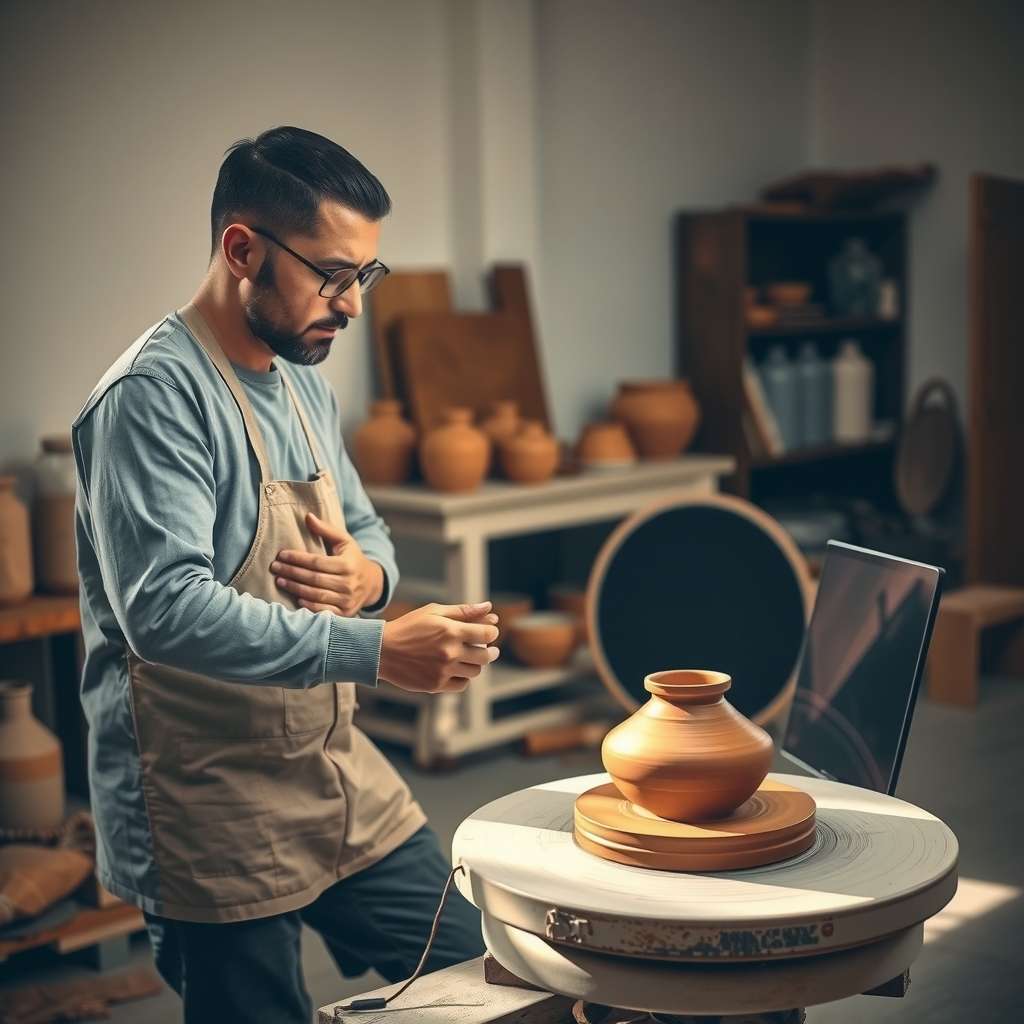
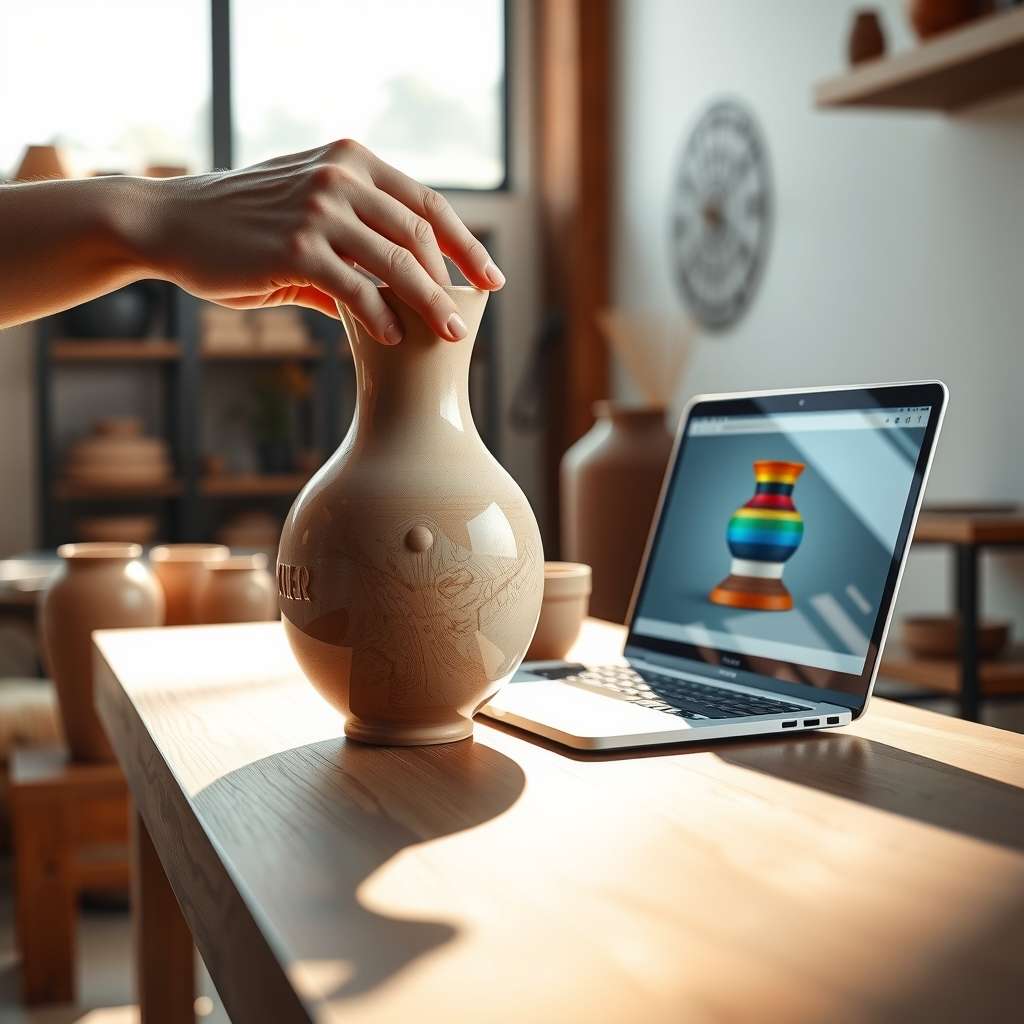
Handcrafted pieces are created by skilled artisans who shape each item on the wheel or by hand‑building techniques. The process emphasizes individuality, cultural heritage, and meticulous attention to detail. Because every piece is unique, a handmade vs mass-produced ceramics brand strategy often highlights authenticity and storytelling.
Understanding Mass-Produced Ceramics
Mass‑produced ceramics are manufactured in large factories using molds, automated kilns, and standardized processes. This approach delivers consistent quality, lower unit costs, and the ability to fulfill high‑volume orders quickly. When evaluating handmade vs mass-produced ceramics brand choices, scalability becomes a major factor.
Brand Impact: Quality and Storytelling
Handmade ceramics carry a narrative that resonates with consumers seeking a personal connection. The visible marks of the maker, the imperfections, and the limited runs create a sense of exclusivity. Brands that lean into this story often command higher price points and foster strong community loyalty.
Mass‑produced ceramics, while less “personal,” can still convey quality through design consistency and reliable performance. Brands that prioritize efficiency and wide distribution benefit from predictable product lines and broader market reach.
Brand Impact: Cost and Scalability
Choosing the handmade vs mass-produced ceramics brand route directly affects your cost structure. Handcrafted items typically involve higher labor costs, longer lead times, and smaller batch sizes. This can limit rapid expansion but allows for premium pricing.
Conversely, mass production reduces per‑unit cost, shortens delivery times, and supports large‑scale marketing campaigns. However, the trade‑off may be a diluted brand story if not managed carefully.
Choosing the Right Fit for Your Brand
- Target Audience: If your customers value artistry and uniqueness, lean toward handmade.
- Price Positioning: Premium pricing aligns with handcrafted pieces; competitive pricing fits mass‑produced lines.
- Growth Goals: Rapid scaling favors mass production; niche market domination favors handmade.
- Supply Chain Capacity: Assess whether you can manage small‑batch artisans or need the reliability of factories.
Practical Tips for Decision‑Making
- Start with a mixed approach: launch a limited handcrafted collection to test market response, then expand with mass‑produced basics.
- Partner with local artisans to maintain authenticity while controlling costs.
- Invest in branding assets (story videos, maker profiles) that highlight the handmade aspect, even for mass‑produced items.
- Monitor key metrics—average order value, repeat purchase rate, and customer acquisition cost—to gauge which strategy drives better ROI.
Conclusion
Both sides of the handmade vs mass-produced ceramics brand debate offer distinct advantages. Your decision should align with your brand’s story, budget, and growth aspirations. Ready to elevate your ceramics line? Contact us today for a personalized strategy that blends artistry with scalability.